

Electrodiagnosis
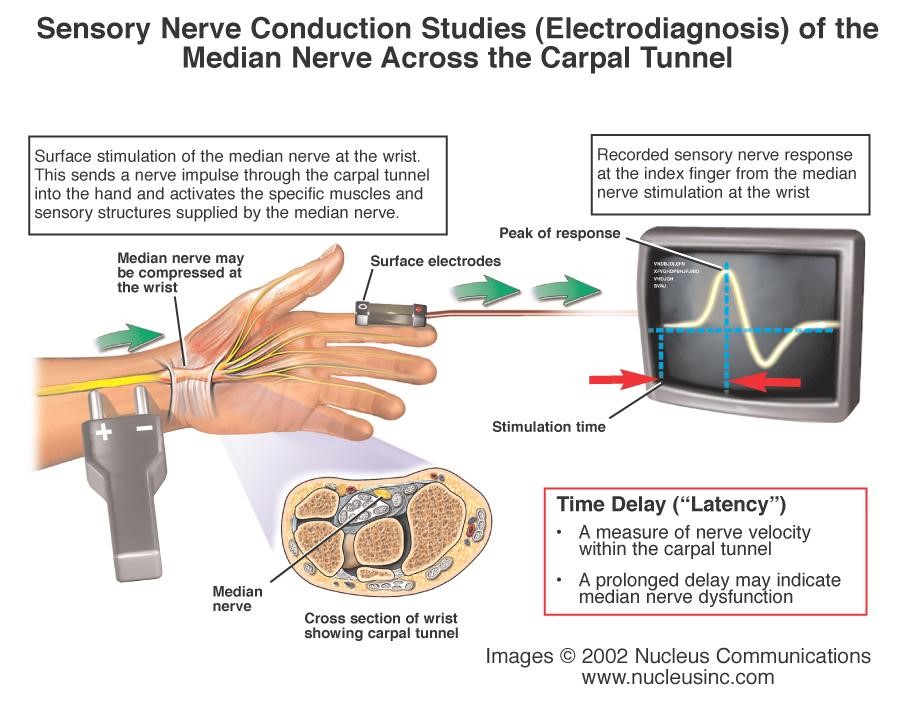
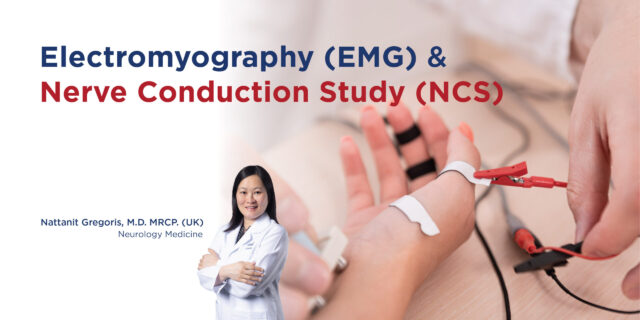
Electrodiagnosis consists of nerve conduction study (NCS) and electromyography (EMG)). These tests are collectively referred to as EMG, and it can be performed in both adults and children.
Indications
EMG is useful for the diagnosis of disorders of the peripheral nervous system, which includes
- Muscle disorders
- Neuromuscular junction disorders
- Peripheral nerve disorders
- Nerve root disorders
- Spinal cord and brainstem dysfunction
Examples of diseases that an EMG study help diagnose?
- Entrapment neuropathies such as carpal tunnel syndrome, ulnar nerve entrapment
- Nerve trauma
- Cervical or lumbar herniated disc causing compression of nerve roots
- Common peripheral neuropathies caused by diabetes, vitamin deficiency, and excess alcohol consumption, etc.
- Uncommon peripheral neuropathies due to other causes such as infections, inflammation, or immune diseases, or hereditary neuropathies
- Myositis
- Myasthenia gravis
Patients usually present with various symptoms depending on the diseases they suffer from. These include weakness or numbness in certain regions of the body, especially in the distal parts of the limbs. Patients may also experience pain, especially burning pain, or muscle atrophy. A rare condition such as myasthenia gravis can present with intermittent muscle weakness such as drooping eyelids, intermittent double vision, among others.
Detailed history taking and physical examination by a physician are the mainstay of assessing whether patients’ presenting symptoms and signs are consistent with any diseases of the peripheral nervous system. An EMG study can be used for confirming diagnosis or suggesting differential diagnoses, documenting severity, prognostications, and treatment planning. In certain diseases it can also help monitor progression or recovery.
Preparation for EMG
- Wear loose-fitting clothing for easy access to limbs during the test.
- For more accurate results, keep your hands and feet warm, especially if you will be in an air-conditioned area for a lengthy period prior to the test.
- On the day of the test, avoid using oils, lotions, or creams on your skin. Avoid wearing makeup or clean your face before the test if you have medical conditions may require the test on your face. All of these are to reduce noise interference during recording of the signals from the nerves.
During EMG
Relaxation of the tested muscles or limbs is key to least discomfort during the test and most accurate results.
Side Effects
Although there are no long-term negative effects from EMG, you can experience some discomfort during the test. If you have any implants such as pacemaker or other intracardiac devices please inform your doctor. Anticoagulant users may be more likely to experience bleeding than other people.
After EMG
After the test is finished, the doctor who performed the study may provide you with the report or its preliminary findings. However, in certain circumstances especially when involving more complex conditions, the interpretation of the results may require more time, the report will be sent directly to the referring physician