
“Menopause (Climacteric Age)” refers to the transitional age in both women and men, typically between 40–59 years, bridging the reproductive years and older adulthood. During this stage, the body’s production of sex hormones declines, leading to various physical changes and increasing the risk of health conditions such as hypertension, osteoporosis, diabetes, and heart disease.
What is Menopause in Women?
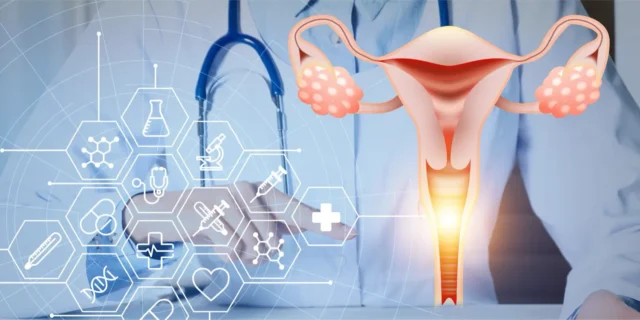
Also known as the menopausal transition or post-reproductive phase, it occurs in women aged 40–59 years due to a natural decline in estrogen levels as the ovaries cease functioning. This results in permanent cessation of menstruation along with multiple physiological changes. Menopause is divided into three phases:
1. Perimenopause
The early transitional phase before menopause. Women may experience irregular menstrual cycles along with symptoms such as hot flashes, dizziness, fatigue, and mood swings. This phase typically lasts 2–3 years.
2. Menopause
Defined as the point at which a woman has had no menstrual period for 12 consecutive months.
3. Postmenopause
Begins after one full year without menstruation. During this period, declining estrogen levels can lead to vaginal atrophy, osteoporosis, and a greater susceptibility to chronic diseases.
Symptoms of Menopause
Short-Term Symptoms
-
Irregular periods — cycles may become shorter or further apart; abnormal bleeding may occur.
-
Hot flashes — caused by fluctuating estrogen levels affecting thermoregulation. Symptoms are most intense during the first 2–3 years after menopause, then gradually improve over 1–2 years.
-
Insomnia — often triggered by nighttime hot flashes.
-
Mood changes — including irritability, anxiety, and depressive symptoms.
-
Vaginal dryness — due to reduced estrogen, leading to discomfort during intercourse, itching, inflammation, uterine or vaginal prolapse, and decreased libido.
-
Reduced fertility — ovulation becomes unpredictable; after 12 months without menstruation, natural conception is no longer possible.
-
Skin changes — dryness, reduced elasticity, easy bruising, and delayed wound healing.
-
Breast changes — smaller, softer, and less firm.
Long-Term Symptoms
Cardiovascular health
Postmenopausal women have a higher risk of coronary artery disease, as estrogen plays a key role in reducing LDL (“bad”) cholesterol.
Osteoporosis
Estrogen deficiency accelerates bone loss—up to 5% per year, especially in the spine, wrist, and hip, increasing the risk of fractures.
Urinary tract issues
Low estrogen causes thinning of the urethral mucosa and reduced bladder support, leading to burning urination, increased infections, and urinary incontinence.
Weight gain
Reduced estrogen affects metabolism, promoting fat accumulation around the abdomen.
Management & Treatment
1. Hot Flashes
-
Identify and avoid personal triggers.
-
Avoid hot or humid environments.
-
Avoid spicy foods, hot meals, caffeine, and alcohol.
-
Increase intake of vitamin E and B-complex.
-
Avoid smoking.
-
Practice relaxation techniques and manage stress.
2. Vaginal Dryness & Urinary Symptoms
-
Use water-based lubricants, e.g., K-Y Jelly.
-
Apply topical estrogen cream to improve blood flow and tissue elasticity.
-
Engage in sexual activity naturally and without haste, which helps maintain vaginal blood circulation and flexibility.
3. Insomnia & Mood Disturbances
-
Antidepressants such as SSRIs may be used when appropriate.
-
Engage in recreational and relaxation activities to reduce stress and support emotional well-being.
4. Osteoporosis
-
Avoid heavy physical activity that strains the bones.
-
Consume foods rich in calcium and vitamin D.
-
Hormone replacement therapy may be considered but requires professional evaluation due to long-term cancer risks.
5. Hair Thinning
-
Estrogen therapy may reduce levels of dihydrotestosterone (DHT), which contributes to follicle miniaturization.
-
Shampoo regularly to maintain scalp hygiene and use products that support hair growth.
Hormone Replacement Therapy (HRT)
Women often turn to hormone replacement therapy (HRT) to alleviate menopausal symptoms and reduce long-term risks such as heart disease, osteoporosis, and certain cancers.
The primary hormone used is estrogen, sometimes combined with progestogen to protect the endometrium in women who still have a uterus.
Forms of Hormone Therapy
-
Oral tablets — improve HDL cholesterol but undergo first-pass metabolism in the liver, causing fluctuating hormone levels.
-
Injectable estrogen — bypasses the liver and does not increase HDL like oral forms.
-
Transdermal patches — applied to the arm or buttock, provide steady hormone release over several days.
-
Hormone implants — may cause excessively high serum levels (2–3× normal).
-
Topical estrogen cream — applied to the skin.
-
Vaginal estrogen cream — best for vaginal dryness and atrophy.
Benefits of HRT
-
Prevents osteoporosis
-
Reduces cardiovascular risks
-
Relieves menopausal symptoms
-
Improves vaginal dryness and elasticity
-
Reduces urinary incontinence
-
Improves mood and sleep quality
-
May reduce risks of colon cancer and some metabolic complications
Who Should Avoid HRT
-
Women with a history of breast or endometrial cancer
-
Those with liver disease
-
Those with a history of deep vein thrombosis
-
Women with unexplained vaginal bleeding
Possible Side Effects
-
Breast tenderness
-
Bloating or abdominal discomfort (often related to liver metabolism)
-
Breakthrough bleeding
Risks of Long-Term HRT
-
Increased risk of endometrial and breast cancer, especially with high-dose therapy or use beyond 10–15 years.
-
Higher risk of gallstones, particularly with oral estrogen; transdermal routes are preferred to reduce this risk.
Usage Recommendations
-
For topical estrogen: apply 1 gram once daily.
-
Apply to the inner thigh or arm; regular lotions may be used afterward.
-
Avoid applying to the breasts, abdomen, or genital area, as these regions may absorb estrogen more directly into internal tissues such as the mammary glands.