

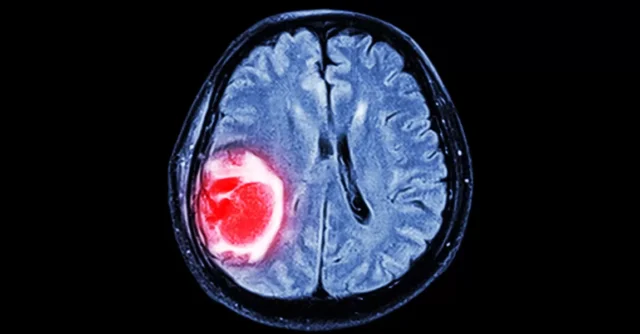
Benign or malignant brain tumors have their own special problems. We call brain tumors ‘space occupying lesions’ and if you imagine the brain to be a closed box, the growing tumor inside the box compresses the healthy brain tissue, and that gives the first indication that something is wrong.
The brain is composed of nerve cells and supportive tissues like glial cells and meninges. There are three major parts – they control your activity like breathing (brain stem), activity like moving muscles to walk (cerebellum) and your senses like sight and our memory, emotions, thinking and personality (cerebrum).
A primary brain tumor begins in the brain tissue. If a cancerous tumor starts elsewhere in the body, it may spread into the brain. These are called secondary or metastatic brain tumors.Brain tumors can occur at any age, and we do not know exactly how these tumors begin.
The signs and symptoms of brain tumors depend on their size, type, and location. The most common signs and symptoms include persistent headaches; numbness or tingling in the arms or legs; seizures; memory problems; mood and personality changes; balance and walking problems; nausea and vomiting; or changes in speech, vision, or hearing.
The most common type of primary brain tumors among adults are astrocytoma, meningioma (a tumor that arises from the membranes surrounding the brain and spinal cord) and oligodendroglioma.
The most common type of primary brain tumors in children are medulloblastoma, grade I or II astrocytoma, (or glioma) ependymoma, and brain stem glioma.
Diagnosis of a brain tumor is done by a neurologic exam, CT (Computed Tomography Scan) and/or Magnetic Resonance Imaging (MRI), and other tests like an angiogram, spinal tap and biopsy. Brain tumors are classified by grade (grade I, grade II, grade III, or grade IV -the most severe).
Treatment options may include surgery, radiation therapy, or chemotherapy (or a combination of treatments).
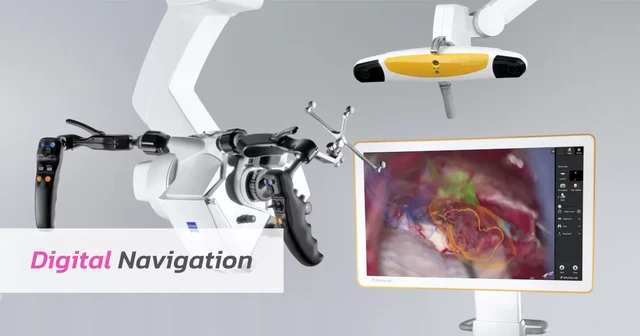
Despite the difficulty with brain tumors, neurosurgeons are developing new procedures to remove the tumors, but any surgery on the brain is high risk. However, the early you can detect the tumor, the more chance of success!