

Neck and lower back pain rank among the most widespread health concerns worldwide. Years of desk work, sports such as golf and tennis, frequent travel, or previous injuries can gradually take their toll on the spine. Left unaddressed, the discomfort can disrupt sleep, limit mobility, and diminish overall quality of life.
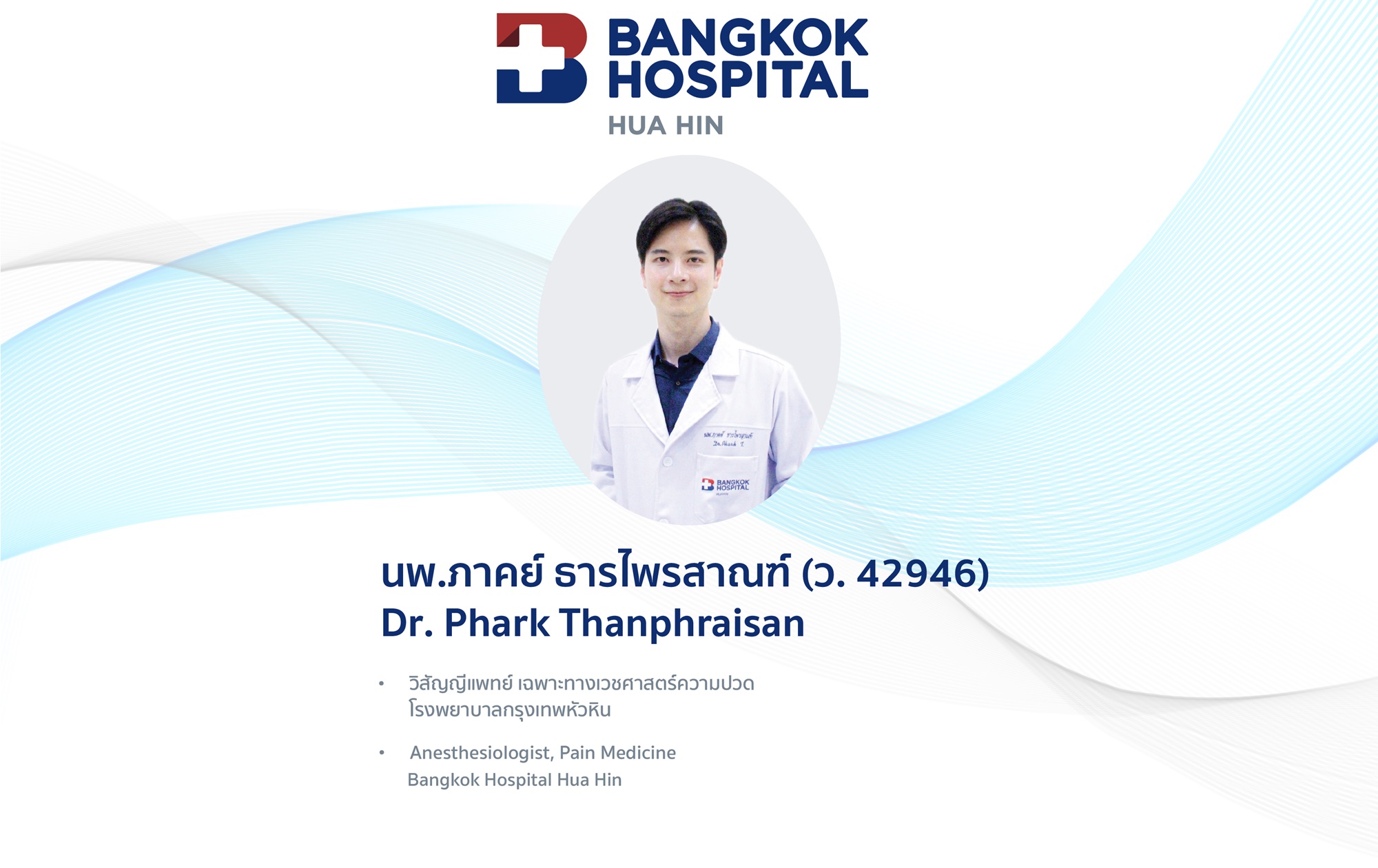
Dr. Phark Thanphraisan (Medical Licence No. 42946), an anesthesiologist specialising in pain medicine at Bangkok Hospital Hua Hin, notes that most patients rightly begin with conservative measures—medication, physical therapy, stretching, yoga, or acupuncture. These approaches bring relief to many. Yet for some, pain persists despite months of dedicated treatment.
When conservative care is no longer sufficient—and before considering major spinal surgery—modern interventional pain medicine offers a middle path: minimally invasive, image-guided procedures that are now standard practice in leading healthcare systems around the globe.
UNDERSTANDING THE SOURCE OF PAIN
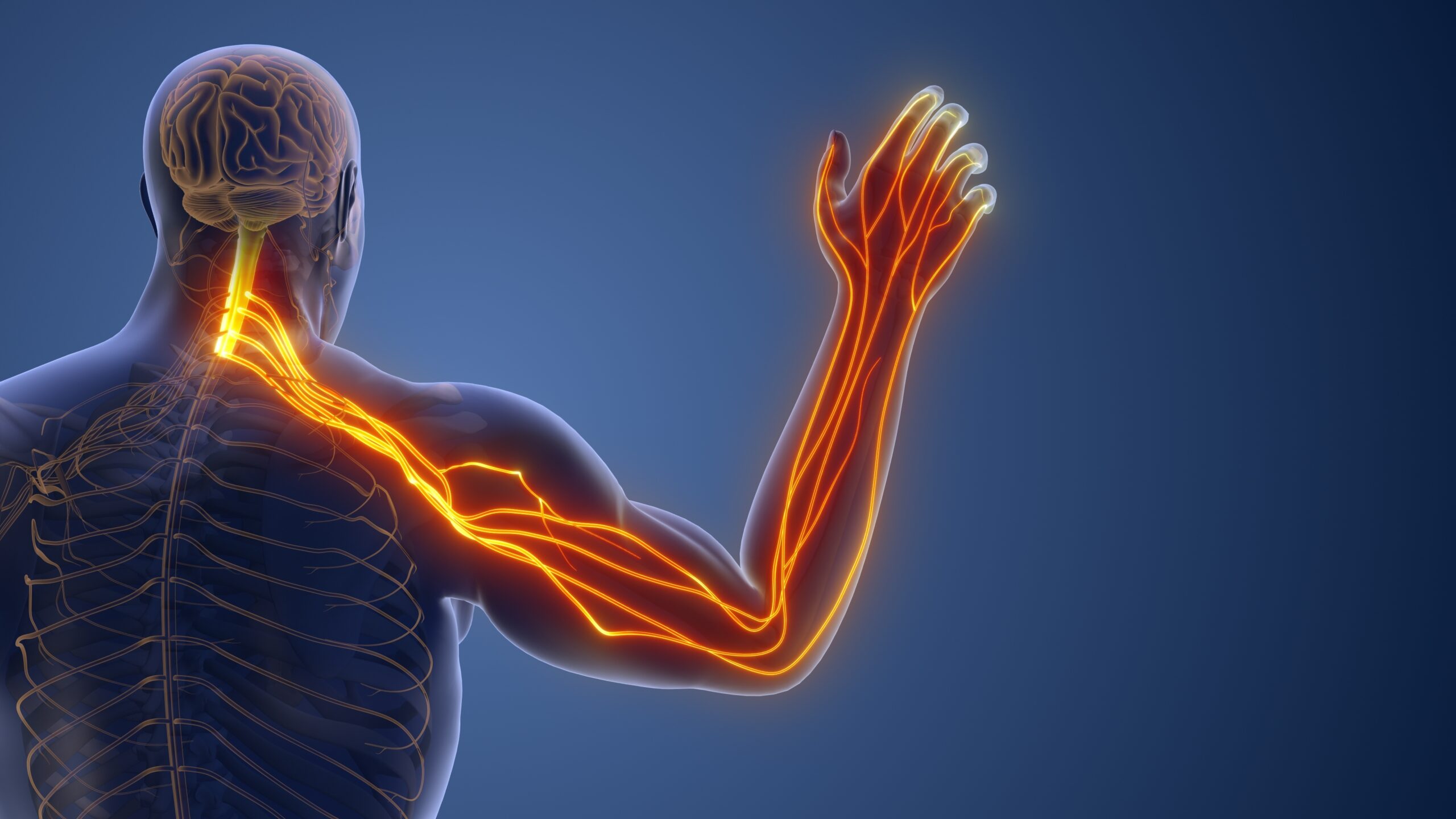
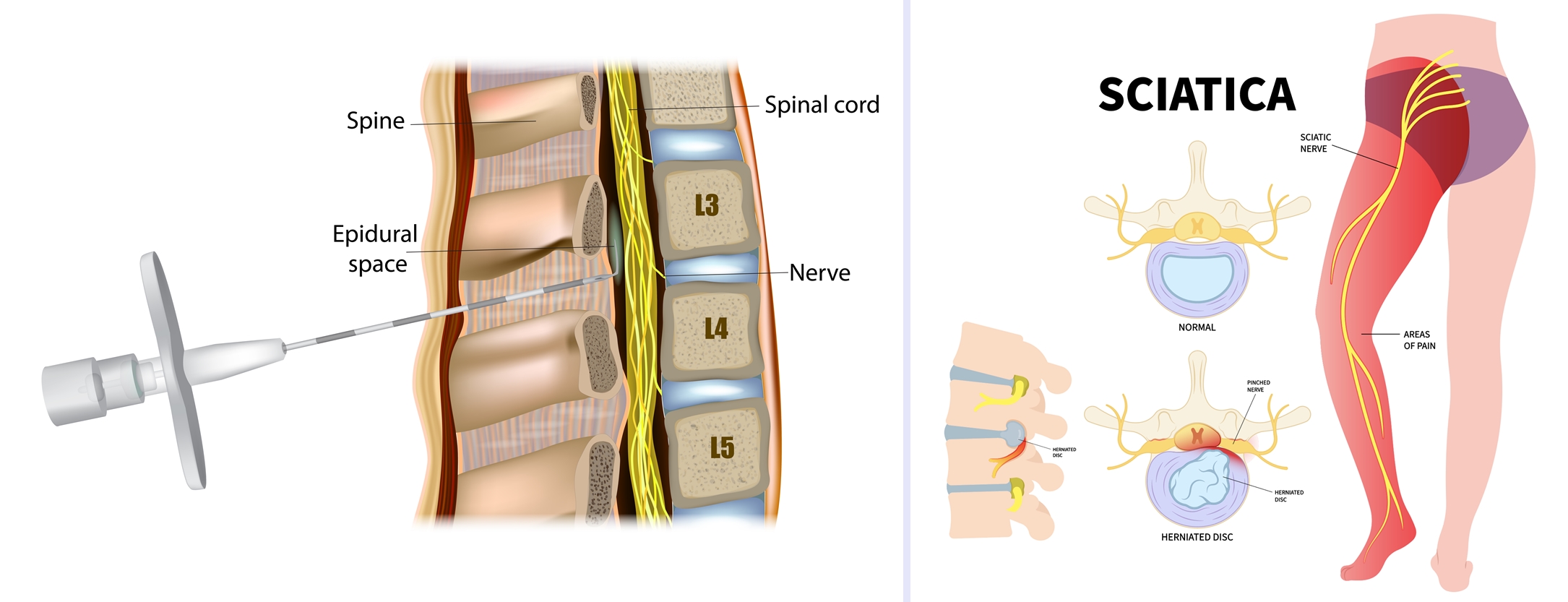
Chronic neck and back pain frequently originates from identifiable structural problems within the spine. Common culprits include disc prolapse that compresses or irritates nearby nerves; nerve inflammation that radiates pain into the arms or legs (commonly known as sciatica); arthritis of the small spinal joints known as facet joints; and age-related degenerative disc changes. A precise diagnosis is the essential first step toward effective, targeted treatment.
TARGETED TREATMENTS WITHOUT MAJOR SURGERY
Interventional pain medicine focuses on treating the exact source of discomfort through image-guided precision. Two of the most well-established techniques are epidural steroid injections and radiofrequency ablation.
Epidural steroid injections deliver targeted anti-inflammatory medication directly around the irritated spinal nerves. This approach is particularly effective for disc prolapse and sciatica, often providing significant relief from radiating arm or leg pain.
Radiofrequency ablation targets painful facet joints. Once the diagnosis has been confirmed through a small diagnostic injection, the procedure gently interrupts pain signals transmitted by tiny sensory nerves. In suitable patients, relief can last six to twelve months or longer.
Both treatments are well-established and routinely performed in the United States, the United Kingdom, Australia, and across Europe.
WHAT PATIENTS CAN EXPECT
Many patients anticipate that these procedures will be uncomfortable, but the reality is often reassuring. Each treatment is carried out in a controlled medical environment under imaging guidance for pinpoint accuracy. Local anaesthetic is administered, and most patients report only mild to moderate pressure during the procedure.
Improvement typically develops gradually over the days that follow, with patients reporting reduced nerve pain, better sleep, and greater ease in daily activities.
ADVANCED SPINE CARE, CLOSER TO HOME
World-class spine care is no longer confined to major metropolitan centres. Modern interventional pain treatment is now available locally in Hua Hin, providing an important therapeutic bridge between medication and surgery for carefully selected patients.
“Persistent back or neck pain should not simply be accepted as part of ageing. With proper diagnosis, targeted treatment can help restore comfort, mobility, and quality of life.” — Dr. Phark Thanphraisan
Anesthesiologist, Pain Medicine | Bangkok Hospital Hua Hin
——————————————————
Bangkok Hospital Hua Hin • Pain Medicine Centre
For appointments and enquiries, please contact
Tel. 032-616-800 Call Center, Bangkok Hospital Hua Hin