![Check up Packages [Prices start at THB 3,200]](https://static.bangkokhospital.com/uploads/2025/08/checkup-1200px_0-94-11-300x300.jpg)
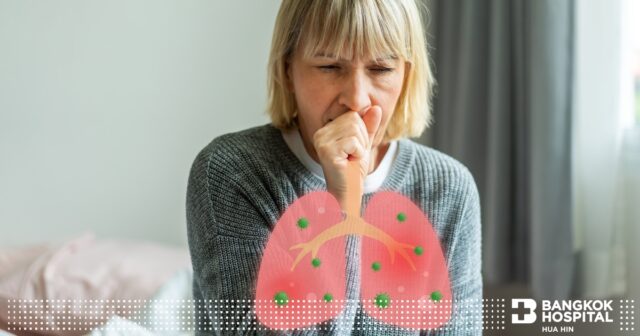
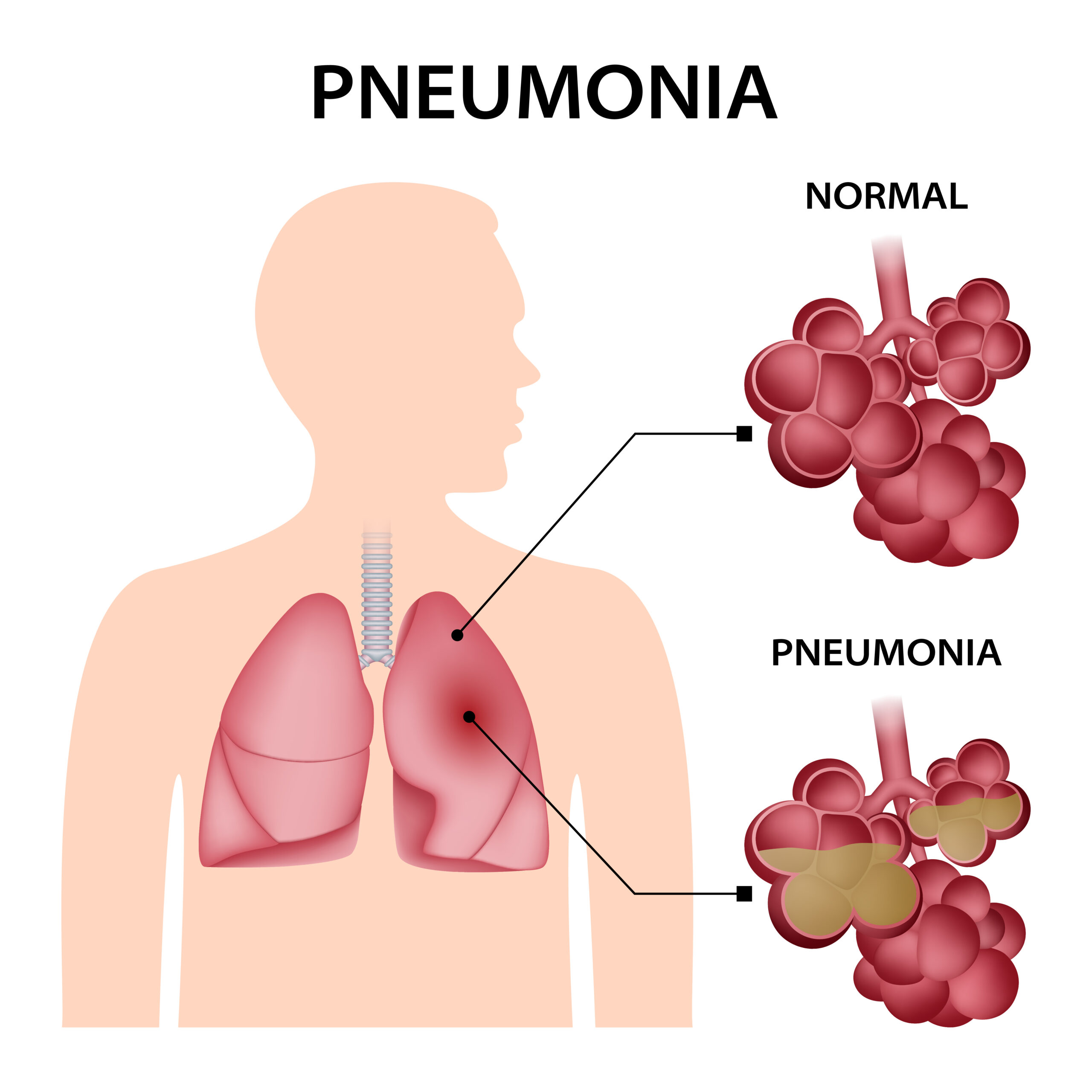
Pneumonia is an inflammation of the lungs that causes the alveoli to become inflamed and filled with pus or fluid. This leads to difficulty breathing, coughing, phlegm, and fever. The main cause is usually an infection, and it can affect anyone — from young children to the elderly.
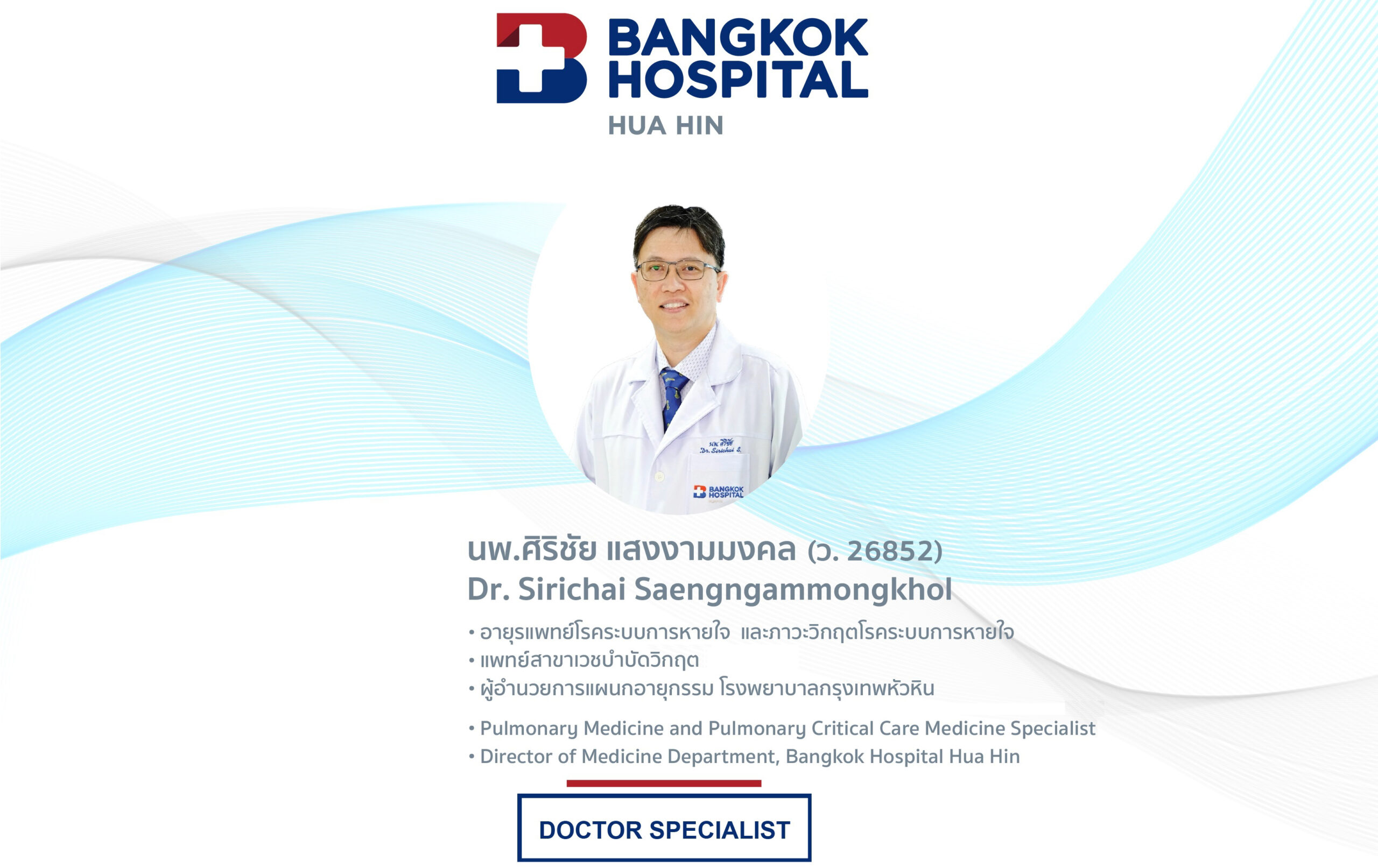
Dr. Sirichai Saengngammongkhol, our specialist in pulmonary medicine and pulmonary critical care medicine, and the Director of the Medicine Department at Bangkok Hospital Hua Hin, explains that pneumonia can be caused by viruses such as influenza, COVID-19, or RSV, and by bacteria such as Streptococcus pneumoniae, which is the most common cause. Other possible causes include tuberculosis, fungal infections, or autoimmune conditions.
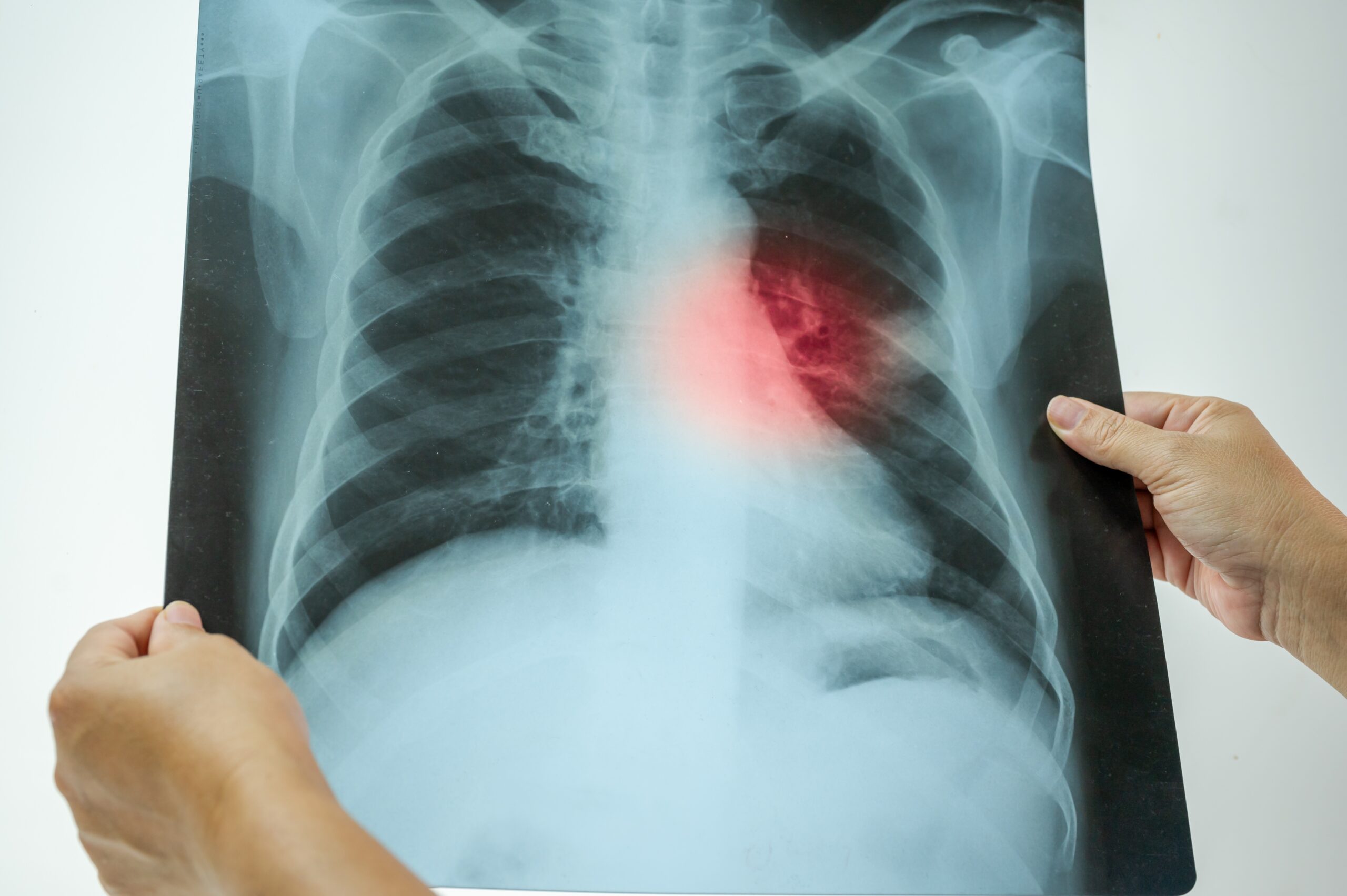
Diagnosis: Modern diagnostic tests can now determine whether the infection is caused by a common virus or bacteria, as well as detect drug-resistant genes using PCR (Polymerase Chain Reaction) technology — BioFire FilmArray — which provides results within just four hours. This allows doctors to select the right treatment quickly and accurately.
Treatment: Treatment depends on the cause, severity of symptoms, and the patient’s underlying health conditions. In most cases, if pneumonia is caused by a virus, the body can recover on its own, though antiviral medication may be needed for influenza or COVID-19 infections. If caused by bacteria, antibiotics are required. Using the correct medication from the beginning is crucial, especially now that antibiotic resistance is increasing. Therefore, patients should see a doctor promptly and receive proper medical care.
Who is at risk: Although pneumonia can affect people at any age, certain groups are more vulnerable — including young children, older adults, and people with chronic conditions such as diabetes, chronic lung disease, heart disease, kidney disease, liver disease, or weakened immune systems. In these individuals, pneumonia can cause more severe symptoms and complications.
Prevention: Vaccination is one of the most effective ways to reduce the risk of pneumonia and its serious complications. Doctors currently recommend the following vaccines to help prevent common causes of pneumonia:
- Pneumococcal vaccines (such as Prevenar-20, Pneumovax)
- COVID-19 vaccine
- Influenza vaccine — especially for older adults
- RSV vaccine — for the elderly
In addition to vaccination, good personal hygiene and healthy habits play an important role in preventing pneumonia. This includes washing hands regularly, especially before meals and after coughing or sneezing; wearing a mask in crowded places or when near people with respiratory infections; avoiding smoking and secondhand smoke, which can damage the lungs; and maintaining a healthy lifestyle by getting enough rest, eating nutritious foods, and exercising regularly to strengthen the immune system.
“Pneumonia is a disease that should not be overlooked, as it can affect anyone at any age,” Dr. Sirichai emphasized. “Young children and the elderly are especially at risk, and in some cases, it can be life-threatening. Knowing the causes and recognizing the symptoms — fever, cough, or shortness of breath — is very important. Don’t ignore these signs. Proper diagnosis, timely treatment, vaccination, and healthy living are key to protecting yourself and your loved ones from pneumonia.”
**************************************************************************
For more information and booking an appointment, please contact :
Tel. 032-616-800 Call Center, Bangkok Hospital Hua Hin
Tel: 032-616-880 (7.00 – 19.00 hrs.) Out-Patient Department, ground floor
Tel: 032-616-888 (24 Hours) Emergency
News & Information >> Line ID : @bangkokhuahin


![Check up Packages [Prices start at THB 3,200]](https://static.bangkokhospital.com/uploads/2026/06/checkup-1200px_0-94-11-card_optimized.webp)