.jpg)
![Check up Packages [Prices start at THB 3,200]](https://static.bangkokhospital.com/uploads/2025/08/checkup-1200px_0-94-11-300x300.jpg)
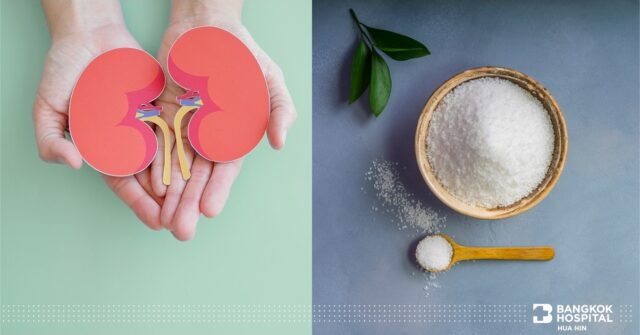
Kidney diseases are conditions marked by gradual loss of kidney functions and can strike at any age, not limited to the elderly. Kidney diseases can result from various factors including genetics, behaviors, and environmental factors. Common causes include diabetes, high blood pressure, congenital kidney issues, urinary tract stones, recurrent urinary tract infections (UTIs), and harmful medications. There are nearly 500 million adults worldwide with kidney disease making it a significant global health concern.
Dr.Jirut Sumrittivanicha, our nephrologist at Bangkok Hospital Hua Hin, explains that kidney dysfunction is not solely linked to high-sodium foods. There are various contributing factors, including common conditions like diabetes, uncontrolled hypertension, excessive use of nephrotoxic medications, and smoking. The prevention of kidney diseases involves maintaining a low-sodium, healthy diet and being cautious with medications that affect kidney function, such as NSAIDs (non-steroidal anti-inflammatory drugs) like Ibuprofen, Naproxen, and Celecoxib. It is crucial to remember that excessive and prolonged medication use can lead to chronic kidney disease, so using them under medical supervision is necessary.

Protecting the kidneys by choosing foods
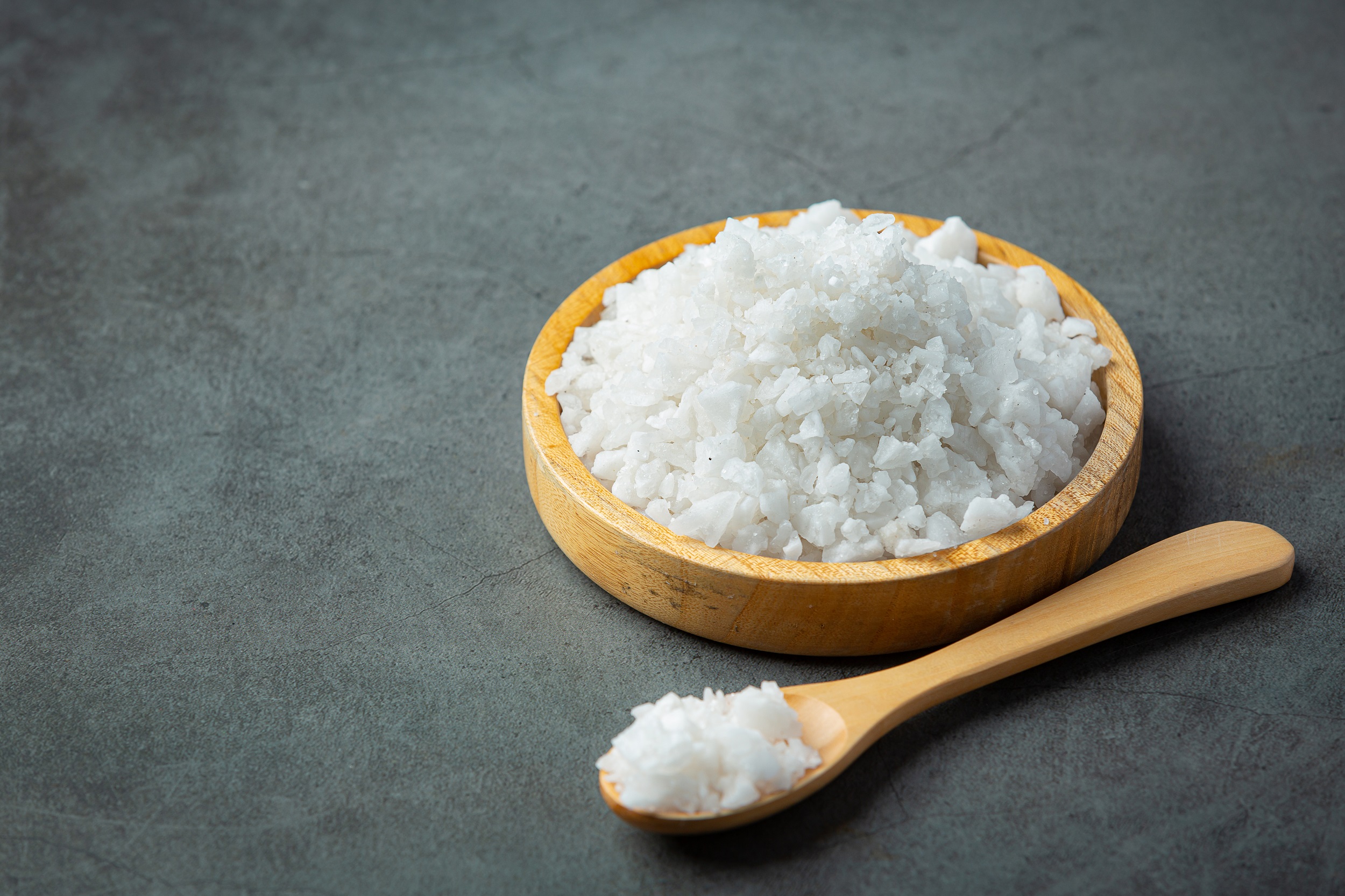
Salty taste in food comes from sodium. Every adult should not exceed 2,000 milligrams of sodium intake per day which is equivalent to just one teaspoon of salt or fish sauce, five teaspoons of soy sauce, two teaspoons of seasoning powder, or three teaspoons of MSG. Sodium is prevalent not only in salty foods but also in seasoned dishes with strong flavors, processed foods and beverages in canned beverages, instant noodles, soups, mineral drinks, and snacks. Consistently exceeding sodium intake may result in high blood pressure and chronic kidney disease.
Effective management of this condition hinges on mindful dietary choices, particularly regarding sodium intake such as avoiding heavily seasoned dishes and opting for low-sodium seasonings, along with avoiding additional MSG, tasting the food before adding extra condiments, cutting down semi-prepared and pickled foods. We should read and consider the sodium content per serving as indicated on food labels. Gradually reducing sodium intake can be beneficial, especially for those who love salty food. Additionally, embracing healthier eating habits can help slow down kidney deterioration.
Symptoms of kidney disease
Kidney disease is a silent threat. In its early stages, kidney disease usually causes no specific symptoms, leaving many patients unaware of their condition unless they undergo a routine physical check-up. Delayed symptom recognition can result in severe kidney deterioration and require lifelong kidney treatments.
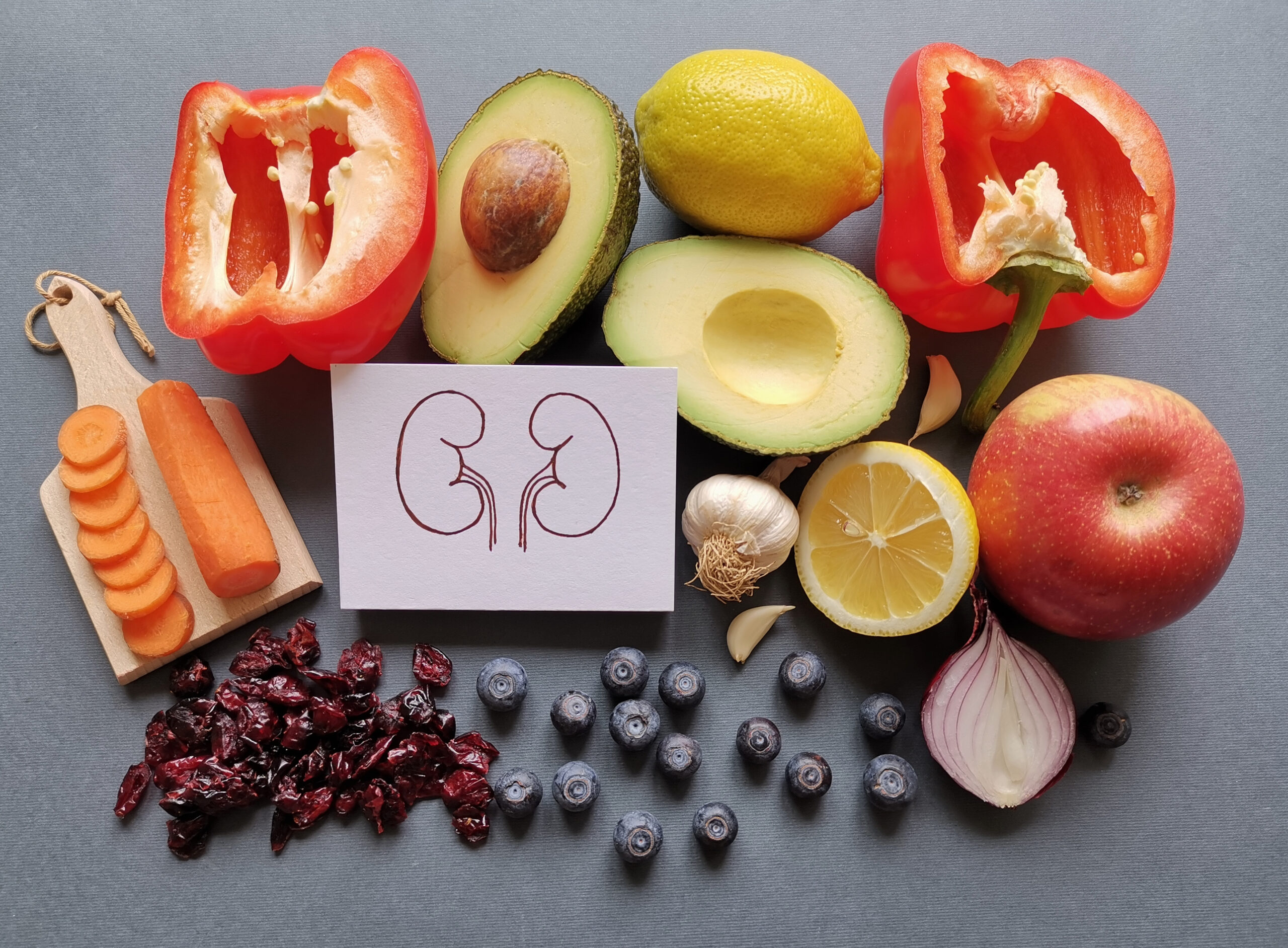
Common symptoms of kidney disease include body or leg swelling, reduced urine output, blood in the urine (hematuria), fatigue, elevated blood pressure, nausea and vomiting. A family history of early-onset kidney disease also adds more risks.
“The kidneys play a crucial role as full-time filters. We should pay attention to maintaining optimal kidney health by adopting a balanced lifestyle that includes a healthy diet and regular exercise to reduce the risk of kidney deterioration. An annual health check-up is advisable, especially if there are abnormal kidney findings. It’s important to consult a specialist promptly for appropriate evaluation and treatment. Ignoring warning signs could lead to irreversible kidney damage.” Dr. Jirut concludes.
**************************************************************************
For more information and booking an appointment, please contact :
Tel. 032-616-800 Call Center, Bangkok Hospital Hua Hin
Tel. 032-616-880 Out-Patient Department (7.00 – 19.00 hrs.)
Tel. 032-616-870 Hemodialysis Unit (8.00 – 17.00 hrs.)
News & Promotion >> Line ID : @bangkokhuahin


![Check up Packages [Prices start at THB 3,200]](https://static.bangkokhospital.com/uploads/2026/06/checkup-1200px_0-94-11-card_optimized.webp)