_0_-_Copy.jpg)

Your heart is the engine that keeps you alive. With every steady beat, it pumps blood to every part of the body. When the heartbeat is steady and regular, everything runs smoothly. But what happens when that rhythm goes off beat — is it still safe?
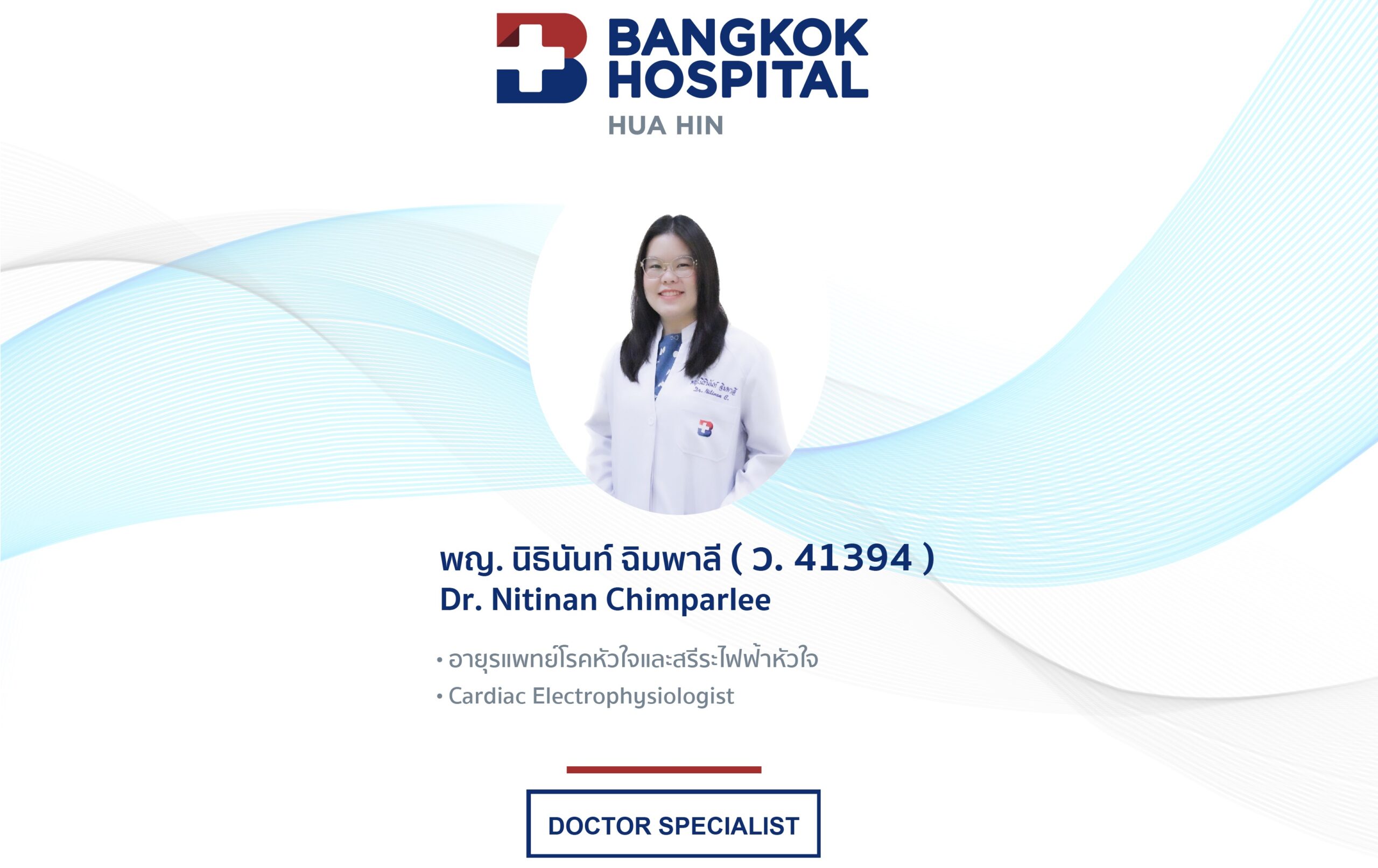
Dr. Nitinan Chimparlee, our Cardiac Electrophysiologist at Bangkok Hospital Hua Hin explains that “Before understanding arrhythmia, we should first know how the heart works. The heart has four chambers and a natural electrical system that keeps it beating in order. The signal starts in the right atrium (Sinoatrial Node), spreads across the upper chambers, and then passes down to the lower chambers — making the heart contract and pump blood effectively. If this electrical system misfires, the heartbeat becomes irregular. Irregular heart beat leads to inadequate blood supply and abnormal organ function.”

What Causes an Irregular Heartbeat? Arrhythmia can be triggered by many factors such as high blood pressure, thyroid disease, coronary artery disease, genetic factors, alcohol consumption, smoking, lack of sleep, or stress.
Warning Signs may include:
- Heart palpitations
- Chest tightness
- Shortness of breath
- Fainting or near-fainting
- In severe cases, sudden cardiac arrest
Not all arrhythmias are dangerous, but leaving them untreated can increase the risk of heart failure, stroke, or sudden cardiac arrest.
The Hidden Risk: Sometimes arrhythmia shows no symptoms at all. That’s why regular heart check-ups are so important. The initial evaluation usually includes taking a medical history, performing a physical examination, and conducting an electrocardiogram (EKG), which is often the first step — a quick, simple and painless test that shows whether the heartbeat is regular or not. If abnormalities are found, further tests such as blood tests, an echocardiogram (heart ultrasound), holter monitoring (24-hour EKG), or coronary imaging may be recommended to provide crucial information that helps doctors design the most accurate and effective treatment plan for each individual patient.”
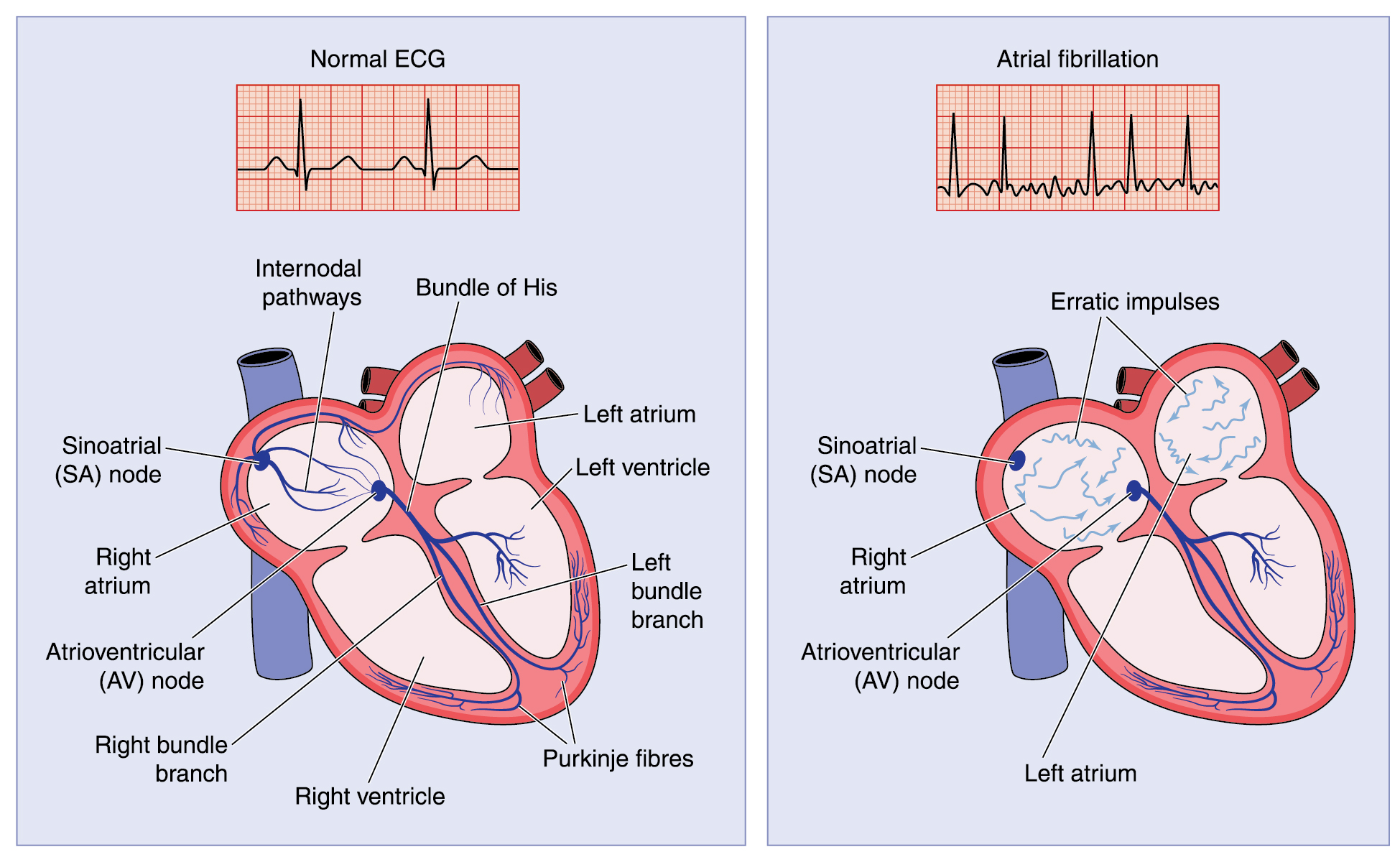
Treatment Options: Treatment depends on each patient’s condition and may include:
- Medication to control heart rhythm
- Pacemaker implantation
- Cardiac ablation (a procedure to correct faulty heart signals)
Doctors work together with patients and their families to decide on the best plan, ensuring the treatment is both effective and suitable for the patient.
Dr. Nitinan emphasizes that “Because arrhythmia can be silent, annual health check-ups — especially heart screenings — are essential. Detecting it early allows treatment to start immediately, helping prevent serious complications.”
**************************************************************************
For more information and booking an appointment, please contact :
Tel: 032-616-829 Heart Center (8.00 – 17.00 hrs.), Bangkok Hospital Hua Hin
Tel. 032-616-800 Call Center, Bangkok Hospital Hua Hin
News & Information >> Line ID : @bangkokhuahin