
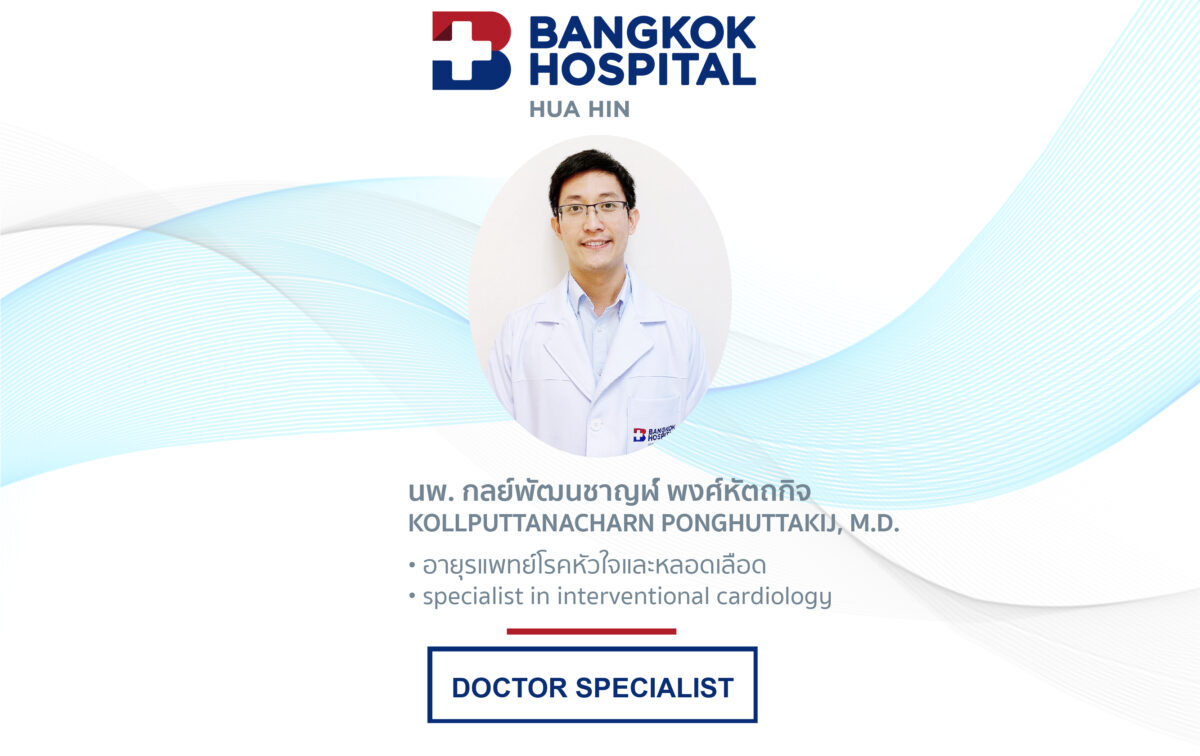
Have you ever experienced chest pains, shortness of breath, soreness, or tightness like something pressing on your chest? You may have questions about what kind of chest pain actually caused by a heart disease or what level of pain you should hurry to the hospital. Dr. Kollputtanacharn Ponghuttakij, an interventional cardiologist of Heart Center, Bangkok Hospital Hua Hin shares about how to observe the symptoms of coronary arterial diseases and/or ischemic heart disease and how to prevent from ones for the sake of your own and loved ones.
Dr. Kollputtanacharn also shares that the acute chest pain may be caused by various conditions such as diseases of respiratory system, digestive system, myocarditis, along with the life-threatening myocardial ischemia or infarction.
3 Dangerous Symptoms of Ischemic Heart Disease
- Chest pain in the chest or epigastric area of squeezing or pressing in characters which may occurs during exertion or any unusual pain you never experienced before.
- The pain may radiate or the areas of neck, jaws and inner part of the arms.
- There may be associating symptoms such as sweating, cold, dizziness, faint feelings, inability to lie down and palpitations.
These symptoms are specific for ischemic heart disease or acute myocardial infarction from occluded coronary arteries. When coronary arteries are blocked, the heart muscles will die rapidly within 6 hours. If the damaged myocardial infarction is extensive, the acute heart failure and/or arrhythmia may occur causing acute heart attack. 30% of the victims may lose their lives before reaching the hospital and another 15-30 % mortality rates occurs in the hospital.
How to Deal with Acute Chest Pain
If you feel a pain or any tightness in the chest along with warning symptoms of ischemic heart disease, it is crucial that the patient be brought to hospital as quickly as possible. This will help the patients to receive diagnosis and prompt treatment by a team of professional cardiologists in a facility of with modern medical equipment of which timely interventional procedure can be made to minimize the damage of cardiac muscle, complications and mortality rate.

People at Risk for Coronary Artery Disease
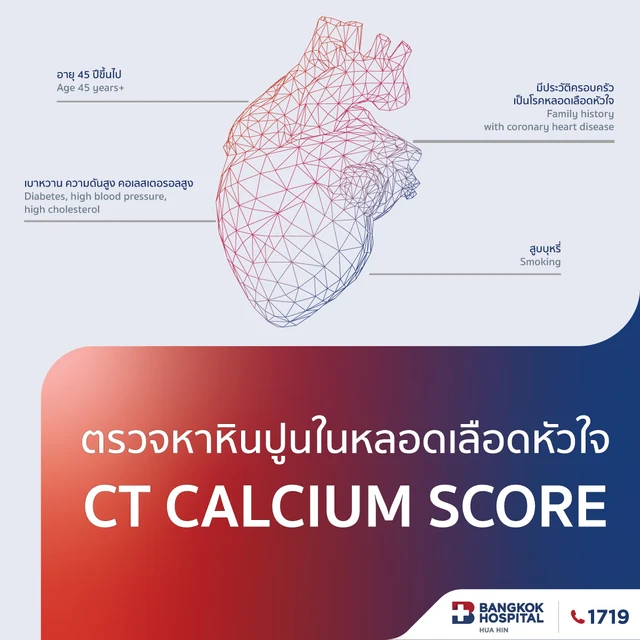
– High-risk people are men over 40 years of age and women over 55 years.
– People with diabetes, high blood pressure and high cholesterol
– People who smoke, are stressed and lack of exercise
– Family history of coronary heart diseases.
Examination For Patients with a Chest Pain
- 1. In case of chronic chest pain and the electrocardiogram (EKG) result is normal, Exercise Stress Test (EST) or Echocardiogram (Echo) may be required to confirm the diagnosis.
- 2. In cases of acute chest pain and the Electrocardiogram (EKG) result is abnormal. The patient should be treated with Coronary Artery Angiography (CAG) immediately or within 72 hours.
Treatment for Opening Clogged Coronary Arteries
- The thrombolytic medication to be given within 30 minutes of the visit to dissolve the clot. This procedure has a 50 to 70% chance of opening the blood vessels
- Dilatation of the coronary arteries with a balloon within 90 minutes after the patient arrives at the hospital – this procedure has a 90 to 99% chance of opening the blood vessels
- Coronary artery bypass surgery, also known as “Bypass Procedure” – this procedure will be become a treatment of choice in patients with multiple vessels involvement.
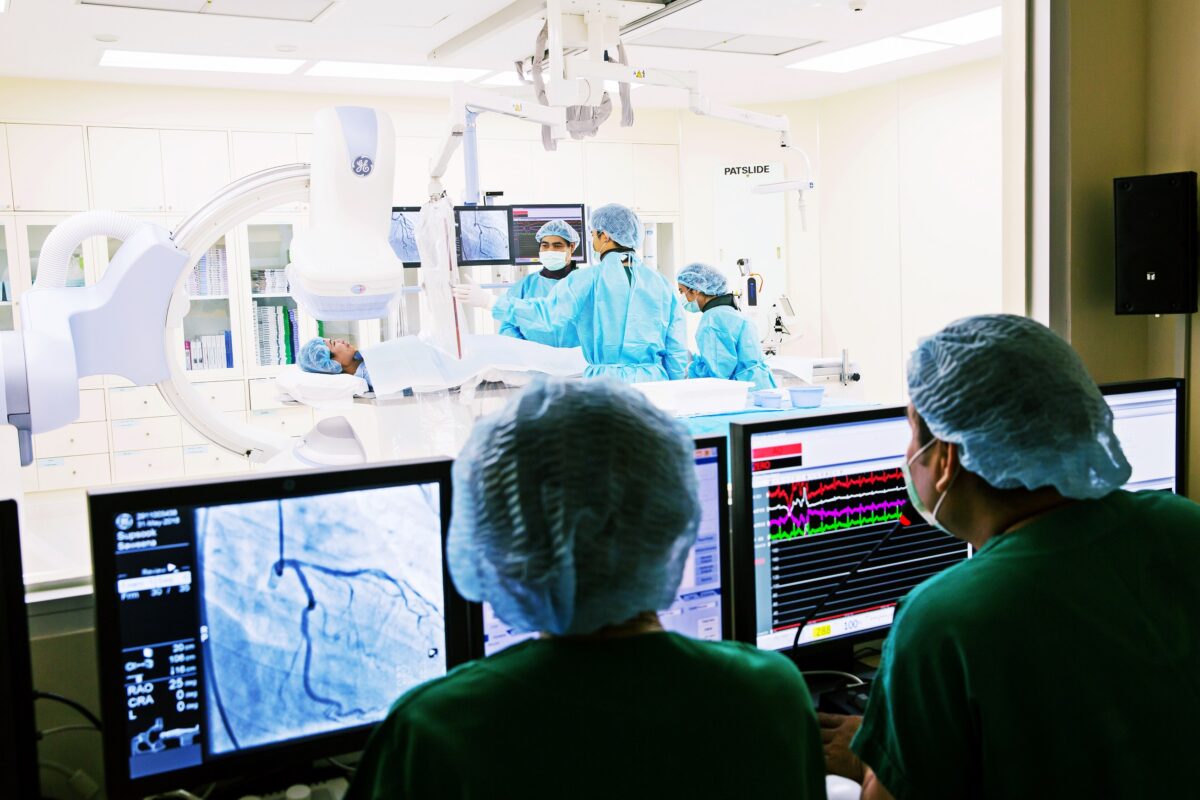
Dr. Kollputtanacharn also shares that Coronary Artery Angiography (CAG) and Percutaneous Coronary Intervention (PCI), which are non-surgical treatments for coronary arteries, are popular and less invasive by dilation of the coronary arteries to solve and help the heart return to the same condition.
- Coronary Artery Angiography (CAG) is a safe and accurate method for detecting coronary arteries. The cardiologist will inject contrast media into the arteries from the approach in the groin or the wrist area through the cardiac catheter. The contrast media will then be injected into the arteries one by one and visualized and recorded by x-rays test in different positions. The result is a whole picture of the beating heart’s and the flow of blood in the coronary arteries. An angiogram can help the doctor see if your coronary arteries are narrowed or blocked and need treatment.
- Percutaneous Coronary Intervention (PCI), after the cardiologist injects the contrast media to see the abnormalities of the coronary arteries and the abnormal stenosis of the coronary arteries can be localized, the doctor will perform a non-surgical widening of the coronary artery by using a balloon catheter to dilate the artery from within. A metal stent is usually placed in the artery after dilatation to keep the canal open. After the dilation of the blood vessels, the patient will recover and can to return to work in a short period of time with an improved quality of life.

Bangkok Hua Hin Heart Center is ready to take care of your heart and other’s. The services are provided in a relaxing environment by a team of cardiologists who are experienced in treating heart diseases. From early diagnosis and preventive treatments of cardiovascular care including interventional cardiology, the service are complied with international standards and with modern and state-of-the art technology. We also provide the cardiac rehabilitation for both adults and children.
If you are staying in Hua Hin or nearby provinces and interested in heart screening or receiving treatment for cardiovascular disease, please call for more information at ☎ Tel. 032-616-829, Bangkok Hua Hin Heart Center, 2nd Floor, Bangkok Hospital Hua Hin.
*********************************************************************
Bangkok Hua Hin Heart Center, Bangkok Hospital Hua Hin.
Tel. 032-616-829 | Email: huahin@bangkokhospital.com