![Check up Packages [Prices start at THB 3,200]](https://static.bangkokhospital.com/uploads/2025/08/checkup-1200px_0-94-11-300x300.jpg)

In our daily lives today, much of our time is spent in front of screens—whether on computers or smartphones. Many people have started to experience headaches more often. These symptoms may seem mild at first, but if they happen frequently and headaches become a daily problem, it could be a sign of chronic headaches. This condition is often related to Office Syndrome, a group of symptoms caused by long hours of screen use and poor posture.
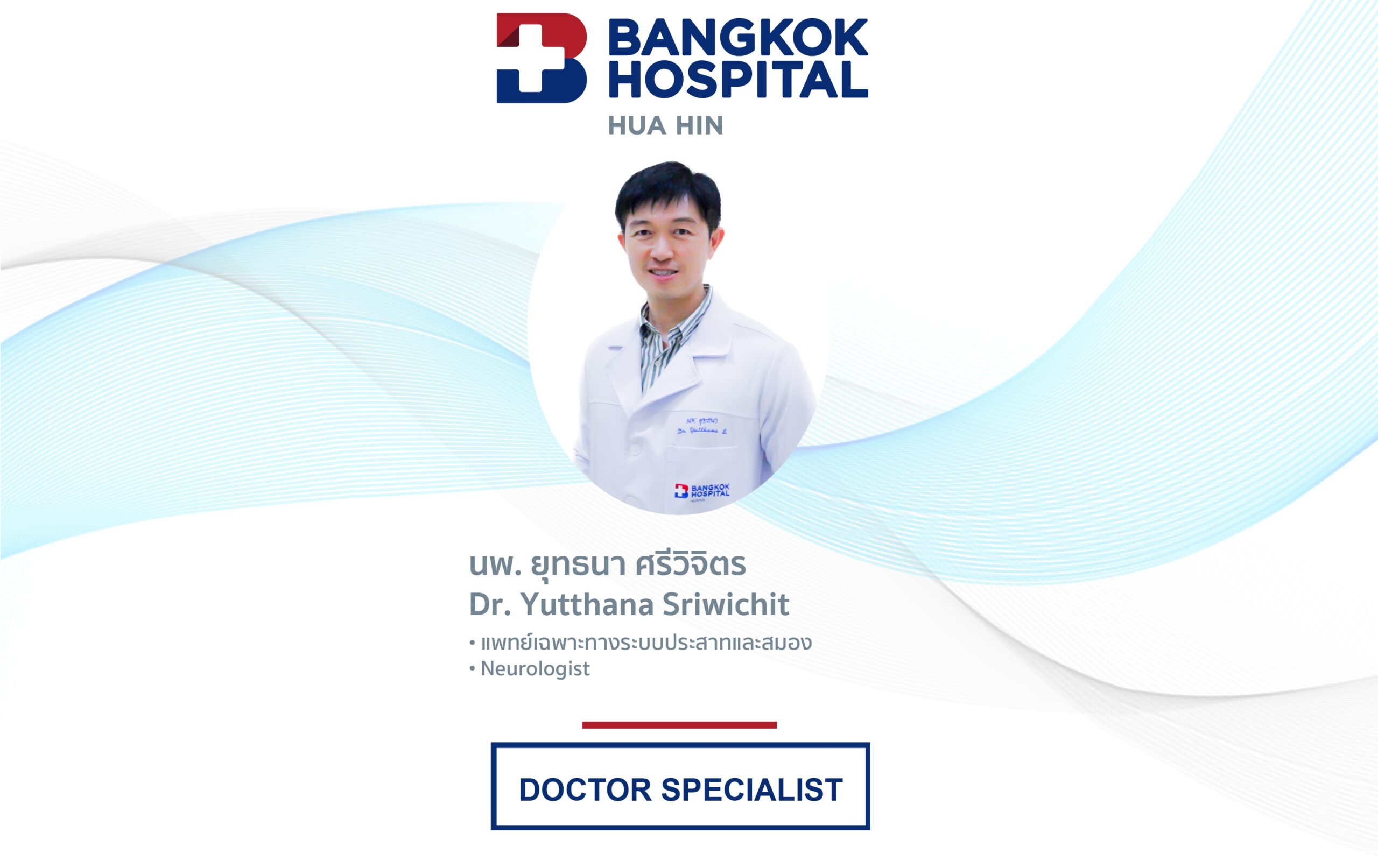
Dr. Yutthana Sriwichit, our neurologist at Bangkok Hospital Hua Hin, explains that chronic headaches, also known as tension-type headaches, are the most common kind of headache. They occur due to muscle tension in the head, especially near the forehead, temples, back of the head, and neck. The pain usually feels like a tight band or pressure around the entire head.
Causes and Risk Factors of Chronic Headaches: Several factors can cause or trigger chronic headaches, especially among working adults, including:
- Poor posture: Sitting for long periods of time in front of a computer or constantly looking down at a smartphone can cause muscle tension in the neck, shoulders, and upper back, which may spread to the head.
- Stress and lack of rest: These increase muscle tightness and make the nervous system more sensitive, leading to headaches.
- Lack of exercise: Weak muscles can make it harder for the body to support itself properly, resulting in muscle pain and ultimately headaches.
Symptoms: Chronic headaches often cause a dull, heavy pain in the back of the head, temples, forehead, or the center of the head. The pain usually starts in the afternoon or evening. It is usually accompanied by muscle tightness in the neck, shoulders, and upper back. Some people may experience dizziness, nausea, or feel tired throughout the day.

When to Seek Medical Diagnosis: Although muscle-related headaches are usually not serious, it’s important to get a proper diagnosis. If the symptoms don’t improve within three months, or if there are unusual signs—such as a sudden severe headache, fever, vomiting, or loss of consciousness—a doctor may recommend further tests, such as a CT scan (computed tomography). This helps rule out serious conditions that could be hidden, such as brain tumors, brain hemorrhages—bleeding in the brain, infections of the brain or meninges, or sinusitis.
Treatment Options: If the symptoms are caused by muscle tension or improper posture, doctors may recommend the following treatments:
- Physical therapy using ultrasound or laser: These treatments help relax the muscles, reduce inflammation, and improve blood circulation.
- Muscle injections: For patients with clearly defined tender points, also known as “trigger points,” local anesthetic injections can effectively reduce pain and release muscle tightness.
If chronic headaches are not caused by muscle tension but by other conditions—such as problems with the nervous system or abnormalities in the brain’s blood vessels—doctors will assess the condition through a physical examination and imaging tests like a CT scan or MRI to determine an accurate diagnosis. In some cases, the headaches may be related to chronic stress, depression, sinus pressure, or vision problems, which would require treatment by a medical specialist, depending on the underlying cause.

Take Care of Yourself to Prevent Headaches
- Maintain proper posture: Keep your computer screen at eye level, sit up straight, and place your feet flat on the floor.
- Take breaks every 30 minutes: Rest your eyes and change your position. Stand up to stretch, or gently roll your neck.
- Limit prolonged mobile phone use: Especially avoid looking down for long periods, as it can cause muscle tension.
- Exercise regularly: Helps strengthen muscles and reduce stress.
- Get enough sleep: Aim for at least 6–8 hours per night to allow your body and brain to recover. Good sleep helps muscles relax and prevents chronic tension.
“Chronic headaches are not something to ignore. If left untreated, they can affect your quality of life and work performance. Being aware of your symptoms, making lifestyle adjustments, and consulting a doctor for proper diagnosis and treatment can help you regain a healthier, happier life.” Dr. Yutthana concluded.
**************************************************************************
For more information and booking an appointment, please contact :
Tel: 032-616-880 (7.00 – 19.00 hrs.) Out-Patient Department, ground floor
Tel. 032-616-800 Call Center, Bangkok Hospital Hua Hin
![Check up Packages [Prices start at THB 3,200]](https://static.bangkokhospital.com/uploads/2026/06/checkup-1200px_0-94-11-card_optimized.webp)