

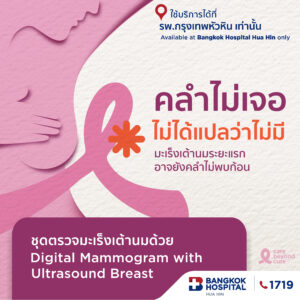

Breast cancer is one of the most common cancers affecting women. Early abnormalities may begin with subtle symptoms or changes that are easily overlooked. Paying attention to breast changes and seeking medical evaluation at an early stage are important steps in helping doctors make an appropriate diagnosis and treatment plan.
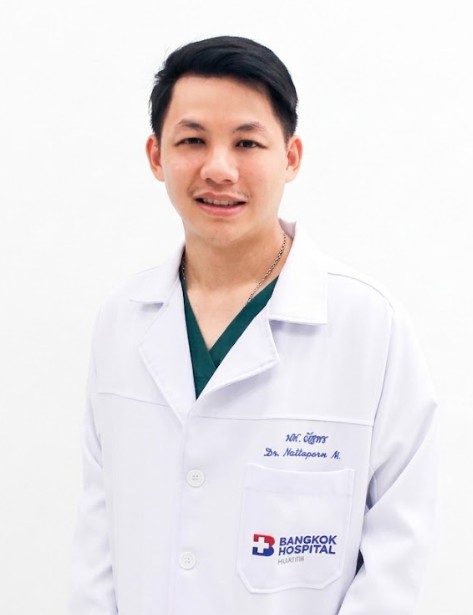
Dr Nattaporn Nuanuthai (Medical Licence No. 43972), Surgeon and Director of the Department of Surgery, Bangkok Hospital Hua Hin, advises women to be aware of changes in their breasts. If any of the following symptoms or changes are noticed, medical evaluation and appropriate advice are recommended:
- A lump or abnormality is felt in one or both breasts.
- Unexplained changes occur in the skin of the breast.
- Unexplained fluid or discharge comes from the nipple.
- The size or shape of the breast changes abnormally.
- Unexplained swelling, redness or inflammation of the breast occurs.
4 Risk Factors to Know
- Age — The risk of breast cancer tends to increase with age, particularly during middle age and beyond. However, any breast lump or abnormality at any age should be evaluated by a doctor.
- Family history — Having a family member or first-degree relative diagnosed with breast cancer may increase the risk. Patients should inform their doctor about their family history so that appropriate screening can be considered.
- Previous breast cancer — Women who have previously had breast cancer in one breast may have an increased risk of developing cancer in the other breast and should follow the recommended surveillance plan.
- Overweight — Being overweight or having a high level of body fat may be associated with an increased risk of breast cancer.
In addition, long-term exposure to certain hormones may be associated with an increased risk of breast cancer in some groups. Women should discuss the appropriateness of hormone use with their doctor, particularly when other risk factors are present.
Breast Self-Examination
Breast self-examination is one way for women to become familiar with the normal appearance and feel of their breasts and to notice changes. The Thai Breast Disease Society recommends that women aged 25 years and older become familiar with their own breast health and perform breast self-examination regularly, at least once a month.
- Stand in front of a mirror and observe the size, shape and skin of both breasts for any new or unusual changes.
- Use the fingertips to gently examine the entire breast, including around the nipple, to check for a lump or other abnormality.
- Examine the nipple and areola by gently pressing the areola to check for any fluid or discharge from the nipple.
- Feel the armpit area to check for any lump or abnormality.
- If a new lump or abnormality is found, consult a doctor for further evaluation.

Physical Examination by a Doctor
When a patient consults a doctor, both breasts will be examined to assess the characteristics of any lump and other abnormalities. The doctor will also examine relevant lymph node areas, including:
- Both breasts — to assess the location, size, characteristics and consistency of a lump, as well as the skin and nipples.
- The armpit (axillary examination) — to assess whether lymph nodes are enlarged or abnormal.
- The areas above and below the collarbone (supraclavicular and infraclavicular areas) — to assess the lymph nodes in these regions.
- The doctor will consider the physical examination together with the patient’s age, symptoms, family history and risk factors to determine the most appropriate additional investigations.
What Should You Do If You Find a Breast Lump?
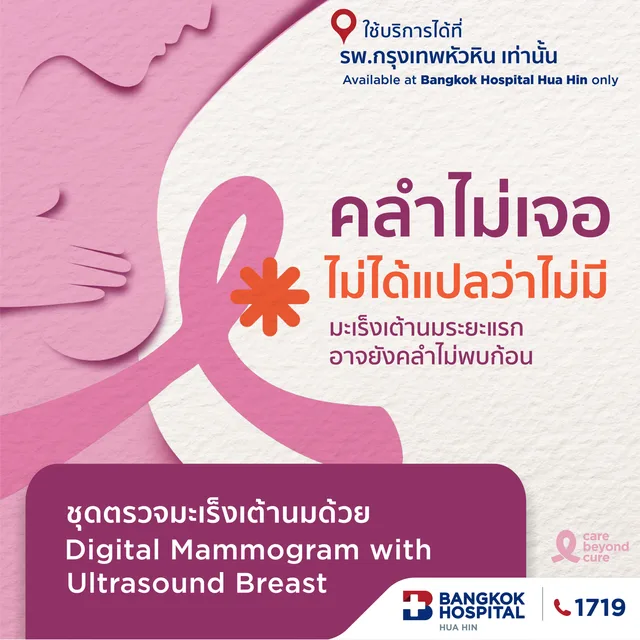
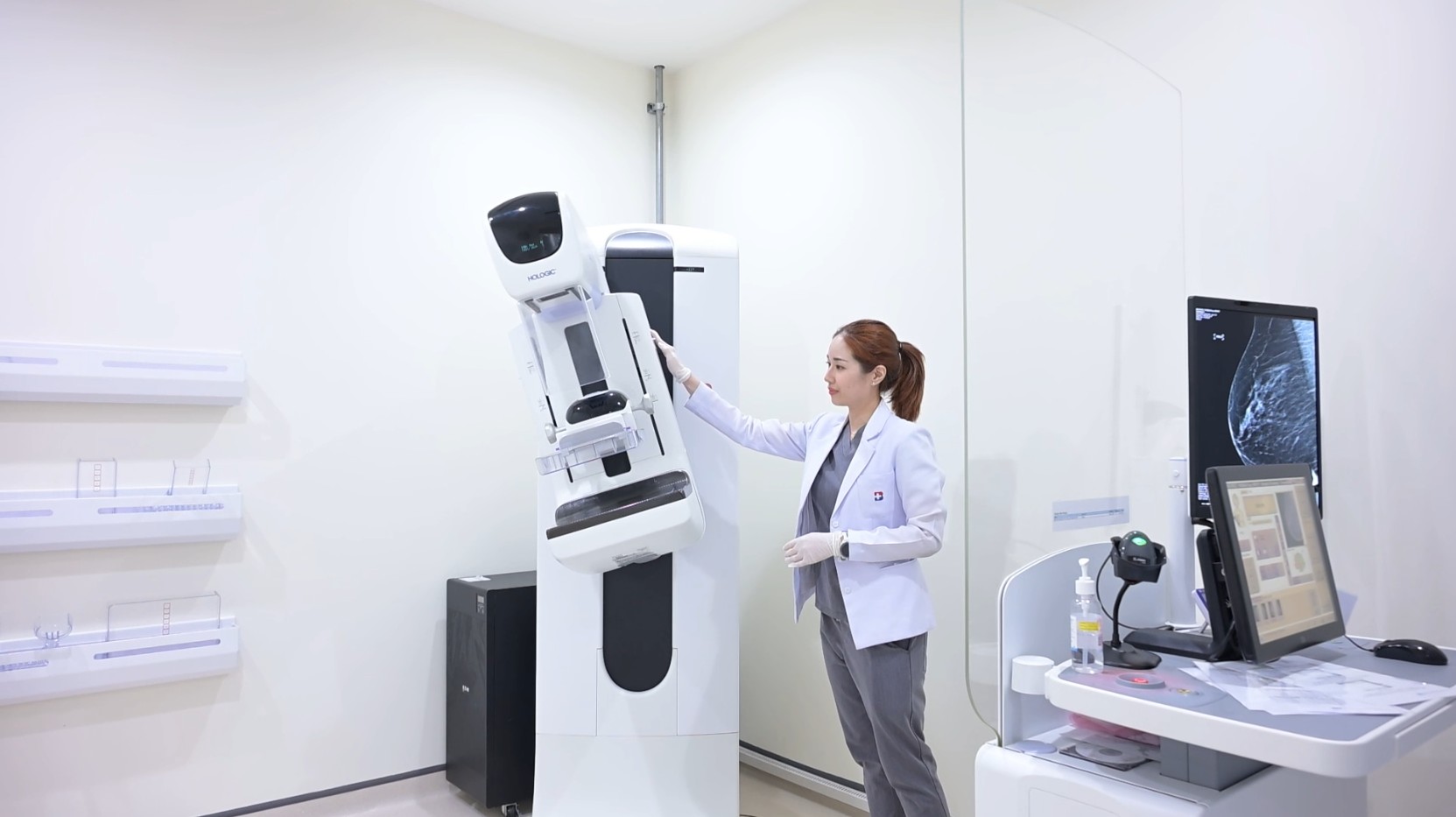
Finding a lump in the breast does not necessarily mean that it is cancer. A lump may be caused by a benign solid mass, a cyst or simply normal breast tissue. A physical examination together with mammography and breast ultrasound (MMG/US) can provide further information about the lump and other breast abnormalities, helping doctors determine appropriate follow-up or treatment.
If mammography or ultrasound shows a benign solid mass, cyst or calcification with non-aggressive features, the doctor may recommend observation and follow-up at an appropriate interval, depending on the characteristics of the finding and the individual’s risk factors.
If a lump has suspicious characteristics, changes over time, or imaging shows an abnormality requiring further assessment, the doctor may recommend additional investigations, including needle or tissue biopsy for pathological examination, to confirm the diagnosis before planning further treatment.
Breast Cancer Screening
In general, women aged 40 years and older should undergo breast cancer screening with ultrasound and mammography once a year, even when there are no abnormal symptoms, to help detect breast abnormalities at an early stage.
For women with dense breast tissue, abnormal symptoms, a history of breast surgery or high-risk factors, the doctor may consider additional screening, such as breast MRI, or recommend more frequent examinations according to the individual’s circumstances and level of risk.
Healthy Lifestyle and Risk Reduction
- Maintain a healthy weight, eat a balanced diet and exercise regularly.
- Do not smoke and avoid or limit alcohol consumption.
- If taking hormone replacement therapy or hormonal contraceptives for an extended period, consult a doctor to assess their appropriateness, particularly when other risk factors are present.
- Have regular health check-ups and breast cancer screening according to age and individual risk.
“Women should perform regular breast self-examination at least once a month. If you find a lump, notice changes in the skin, or have fluid or discharge from the nipple, you should consult a doctor for further evaluation. In general, women aged 40 years and older should undergo breast cancer screening with ultrasound and mammography once a year. For women with dense breast tissue, abnormal symptoms, a history of breast surgery, or high-risk factors, the doctor may consider additional examinations such as MRI or more frequent follow-up according to each individual’s circumstances.
If breast cancer is detected at an early stage, the chances of successful treatment and survival are significantly improved. The earlier it is detected, the sooner an appropriate treatment plan can be established, helping to improve the chance of maintaining a good quality of life in the long term.” Dr Nattaporn concluded.
As part of Breast Cancer Awareness Month, Bangkok Hospital Hua Hin encourages all women to pay attention to their breast health by observing changes, performing regular breast self-examination, seeking medical evaluation when indicated and undergoing appropriate screening according to age and individual risk. Being informed and proactive today is an important step towards better long-term health.
For more information, please contact:
Tel. 032-616-833 General Surgery Department (8.00 – 17.00 hrs)
Tel. 032-616-800 Call Centre, Bangkok Hospital Hua Hin
Email: [email protected]