Healthcare and Medical Service at Bangkok Hospital Hatyai
Bangkok Hospital Hatyai remains ready to accept patients to provide state-of-the-art healthcare. If you need additional information regarding our health care services, please do not hesitate to contact us via email: [email protected]
On Arrival Requirements
Upon arrival in Thailand, all travellers are required to present the necessary documents to the immigration for verification purposes. It is important to note that Covid-19 vaccination proof or ATK test results are no longer required.
The International Patient Advocate Program (IPAP)
Medical, surgical and health-check enquiries that are not in Thai language, from local and international patients are responded by international email correspondents. They are responsible for all international enquiries and to non-Thai speakers providing templates with detailed information to ensure and international patient’s satisfaction. Patients will receive the information before arrival.
Medical Travel Itinerary Care Plan
Intravenous Multivitamin Therapy
Treatment and Travel Program for Stroke (Post Stroke Program)
Heart Bypass Surgery (Coronary artery bypass Surgery or CABG)
Heart Artery Stenting ( Percutaneous Coronary Intervention or PCI )
Appointment Letter
Appointment Letter: Pre-operative Instruction
Transport Option from Malaysia and Indonesia
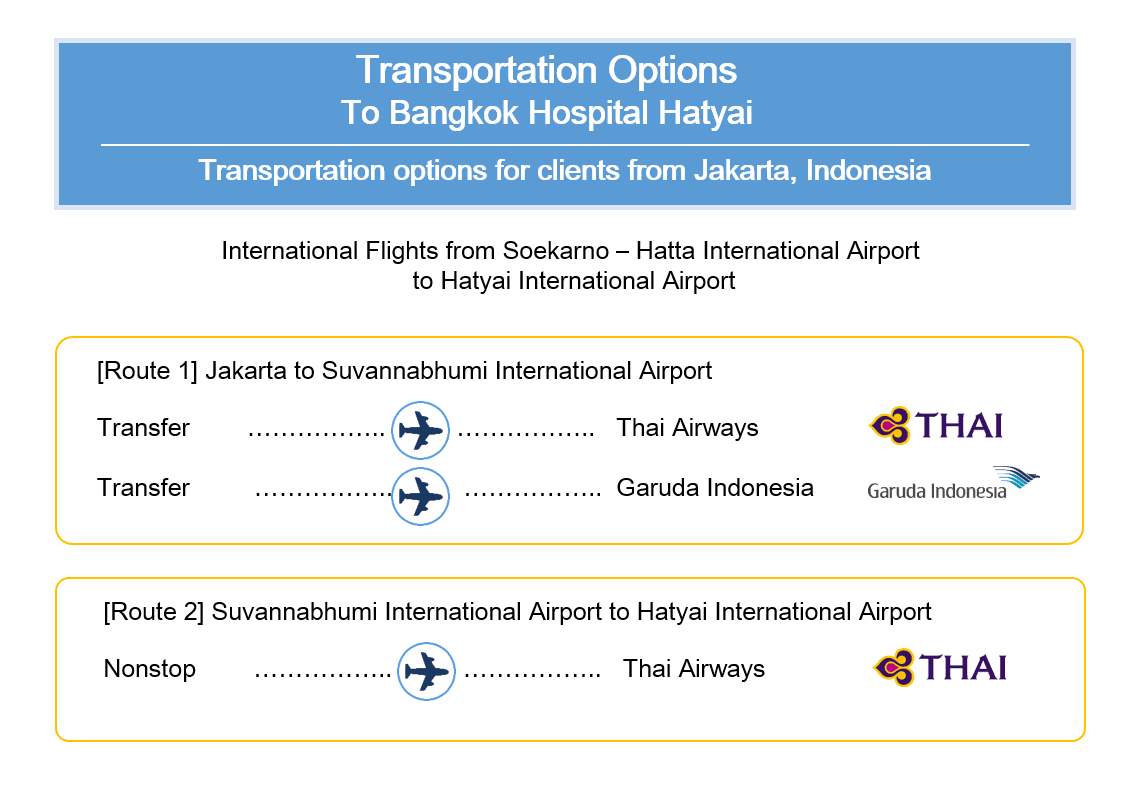
Thai Aways:: https://www.thaiairways.com/
Garuda Indonesia airline:: https://www.garuda-indonesia.com/
Domestic Flight: Hatyai International Airport
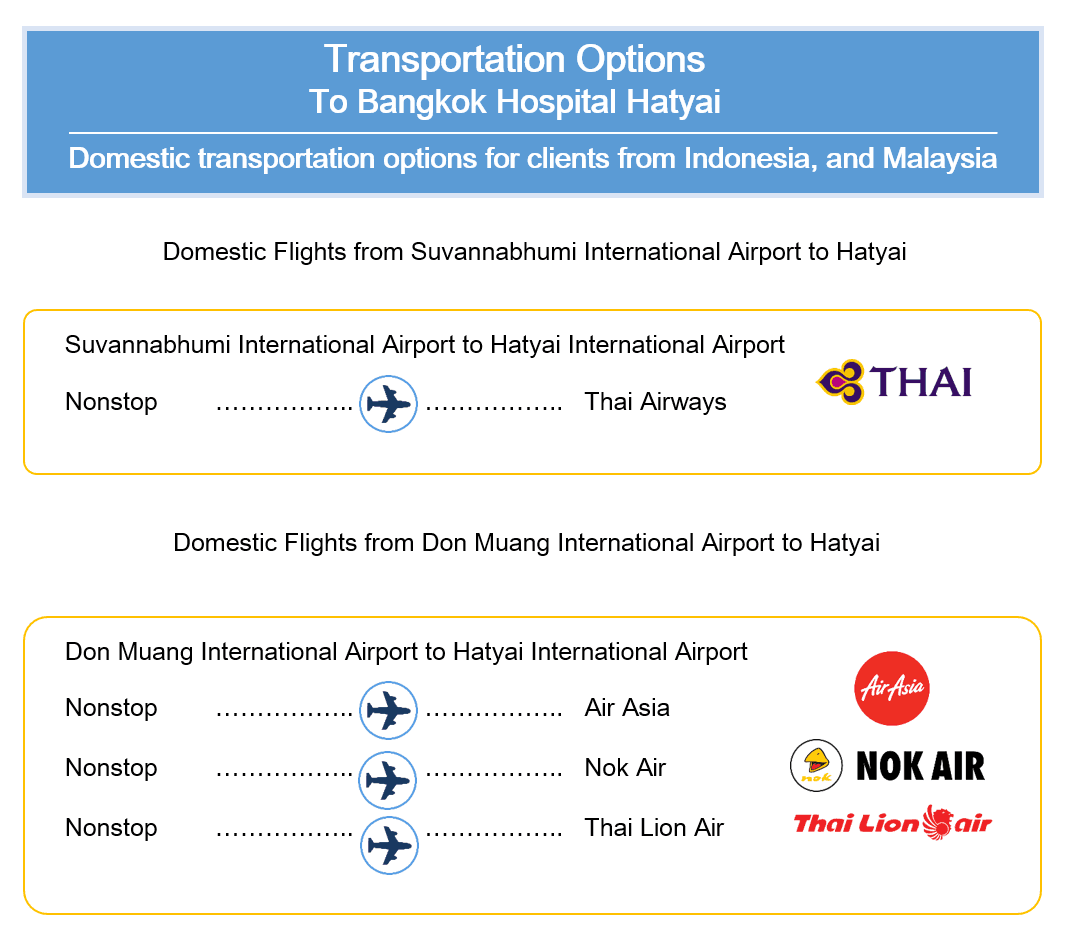
Thai Aways Website:: https://www.thaiairways.com/
Air Asia Website:: https://www.airasia.com/
Nok Air Website:: https://www.nokair.com/
Thai Lion air Website:: https://lionairthai.com/
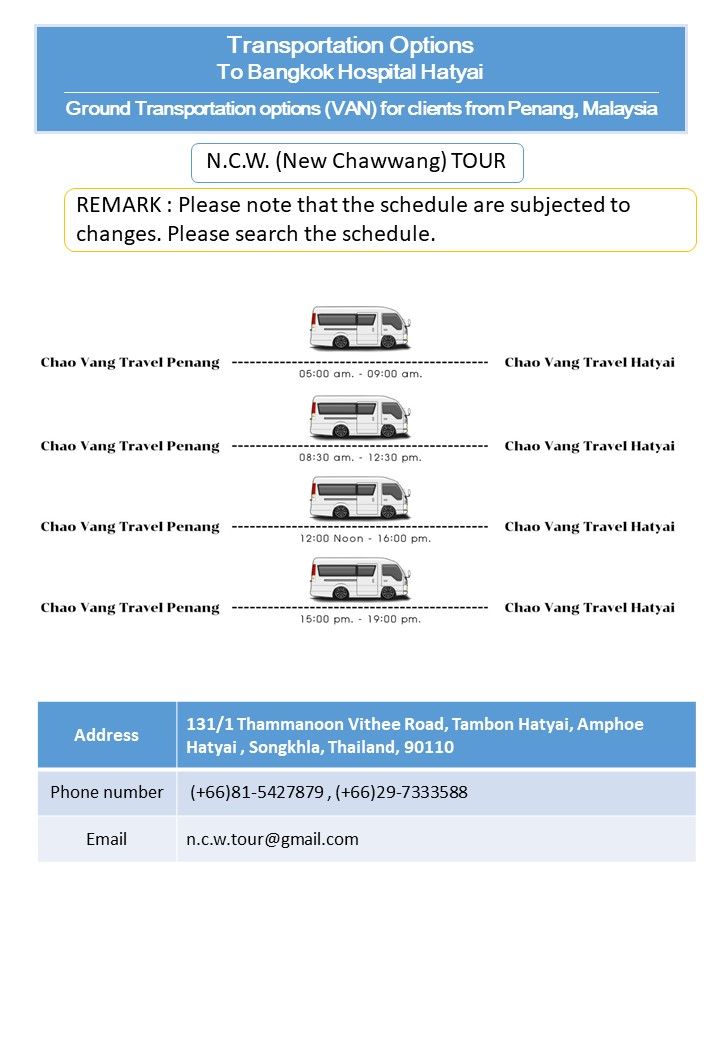
Ground Transportation options
Alisan Golden Coach
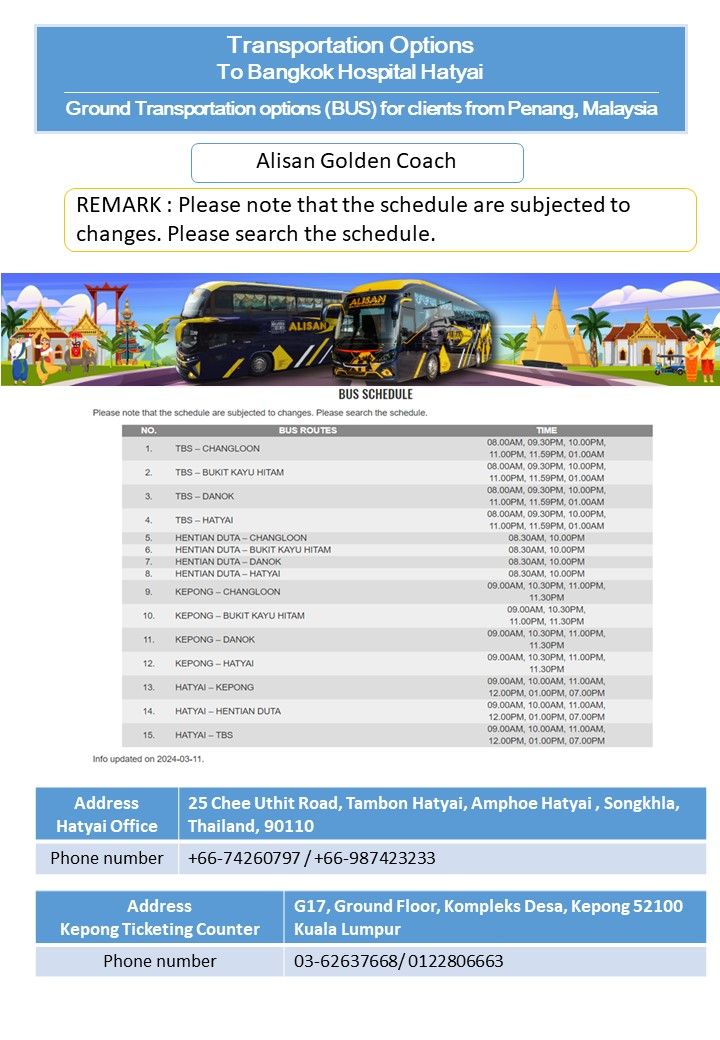
Alisan Golden Coach:: https://www.alisangoldencoach.com.my/
N.C.W. (New Chawwang) TOUR
Butterworth Railway Station
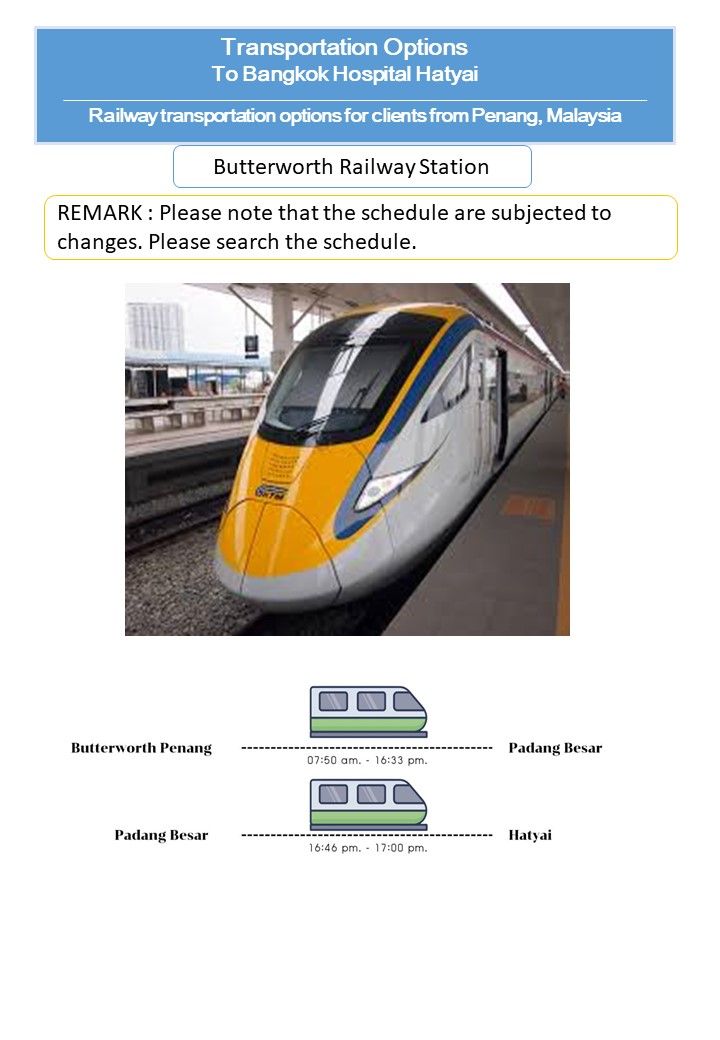
MALAYSIA TRAIN:: https://www.ktmb.com.my/
Train Schedule Attachments
Medical Traveler Checklist
Travel Immunization for Thailand
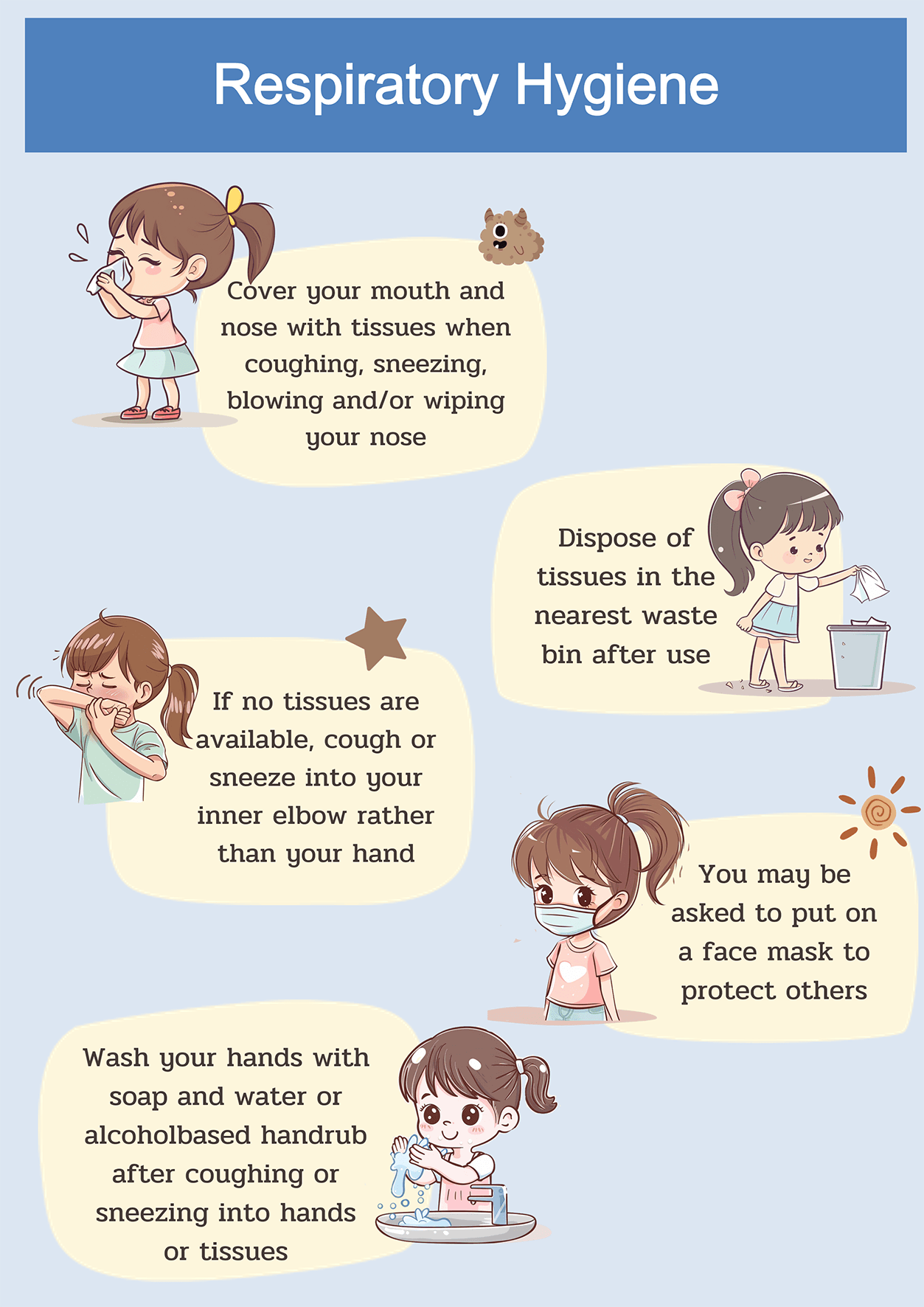
Respiratory Hygiene
Situation Update on Infectious Diseases in Thailand
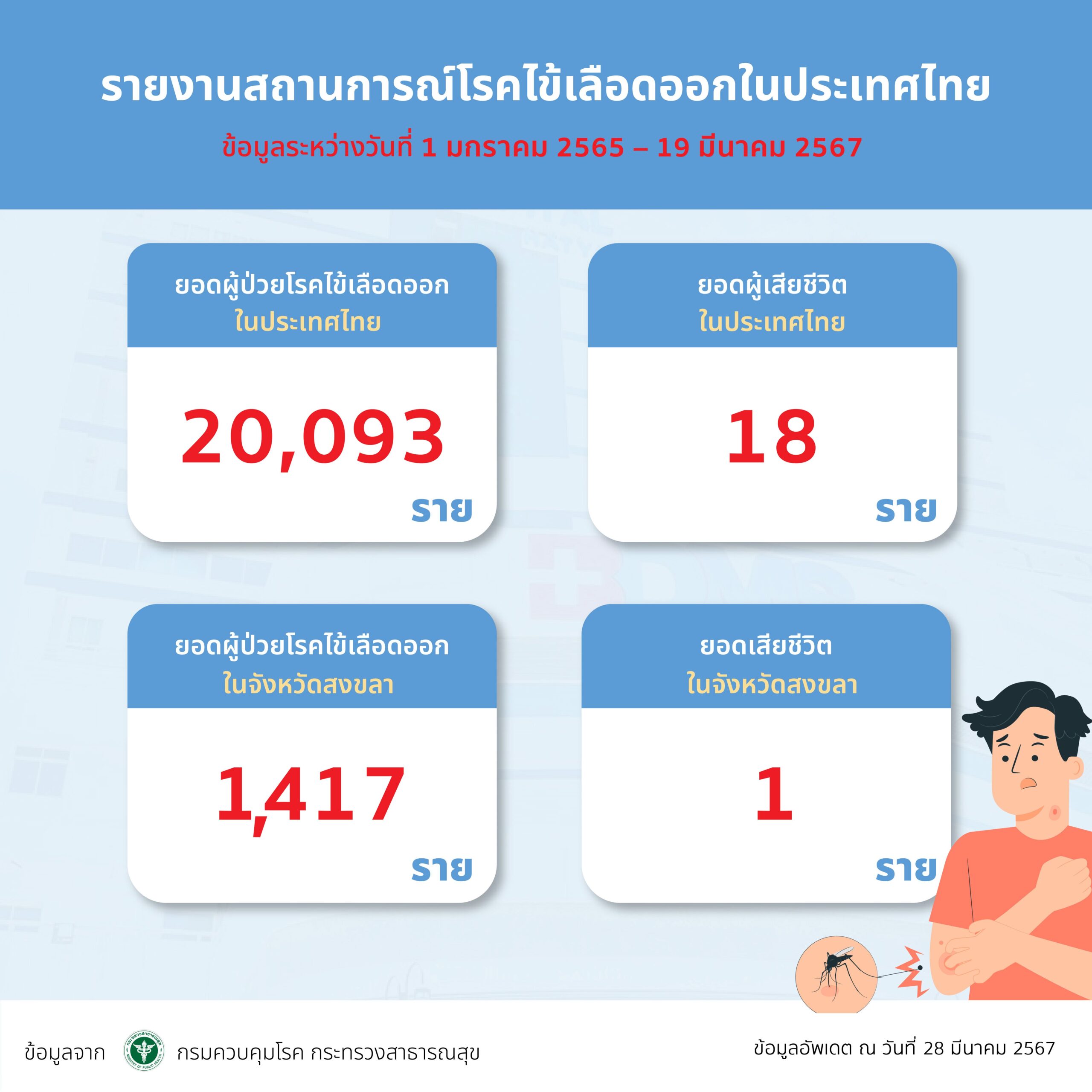
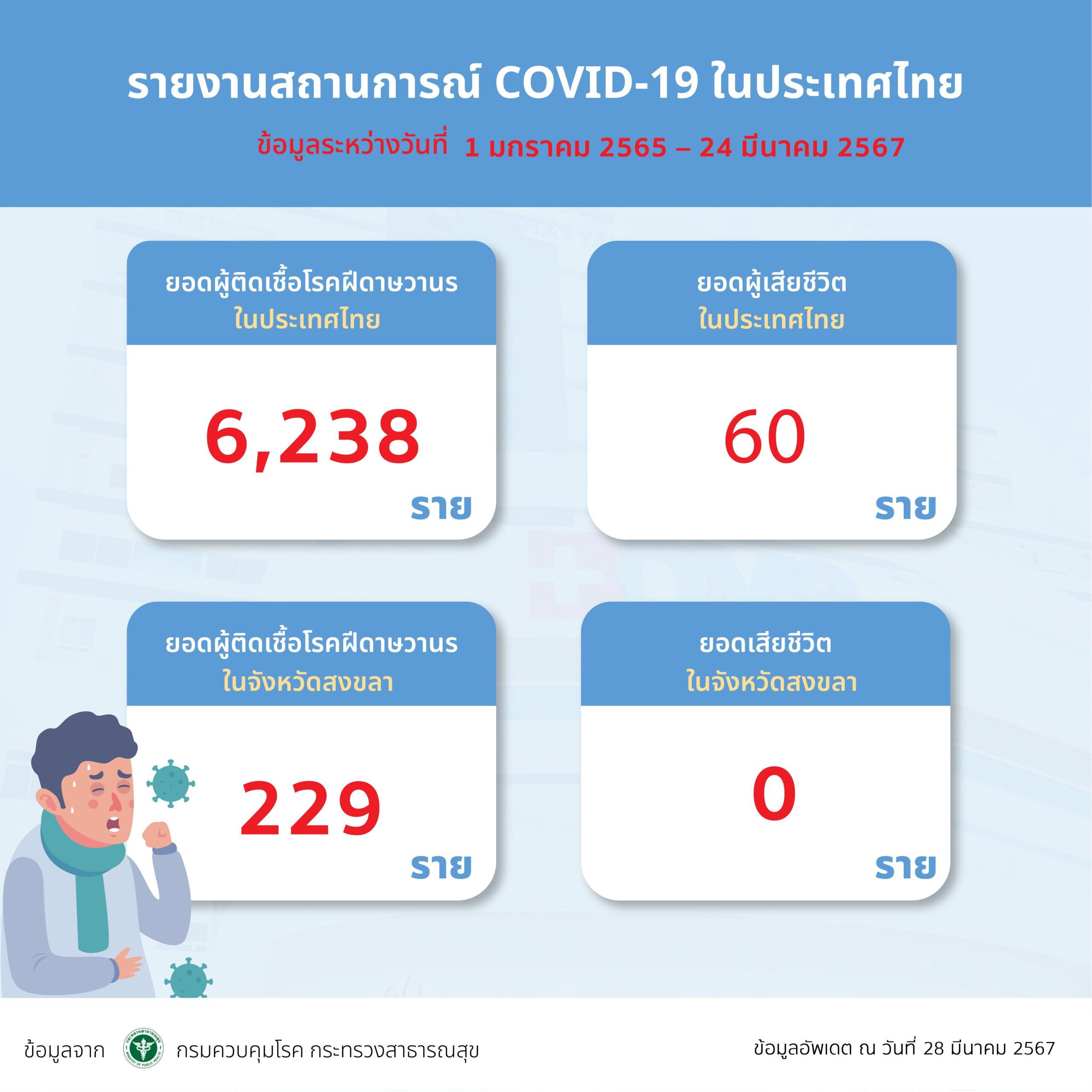
Department of Disease Control, Ministry of Public Health issuing a public warning to prevent diseases and health hazards occurring during your trip. The diseases that are more likely to encounter are divided as following details.
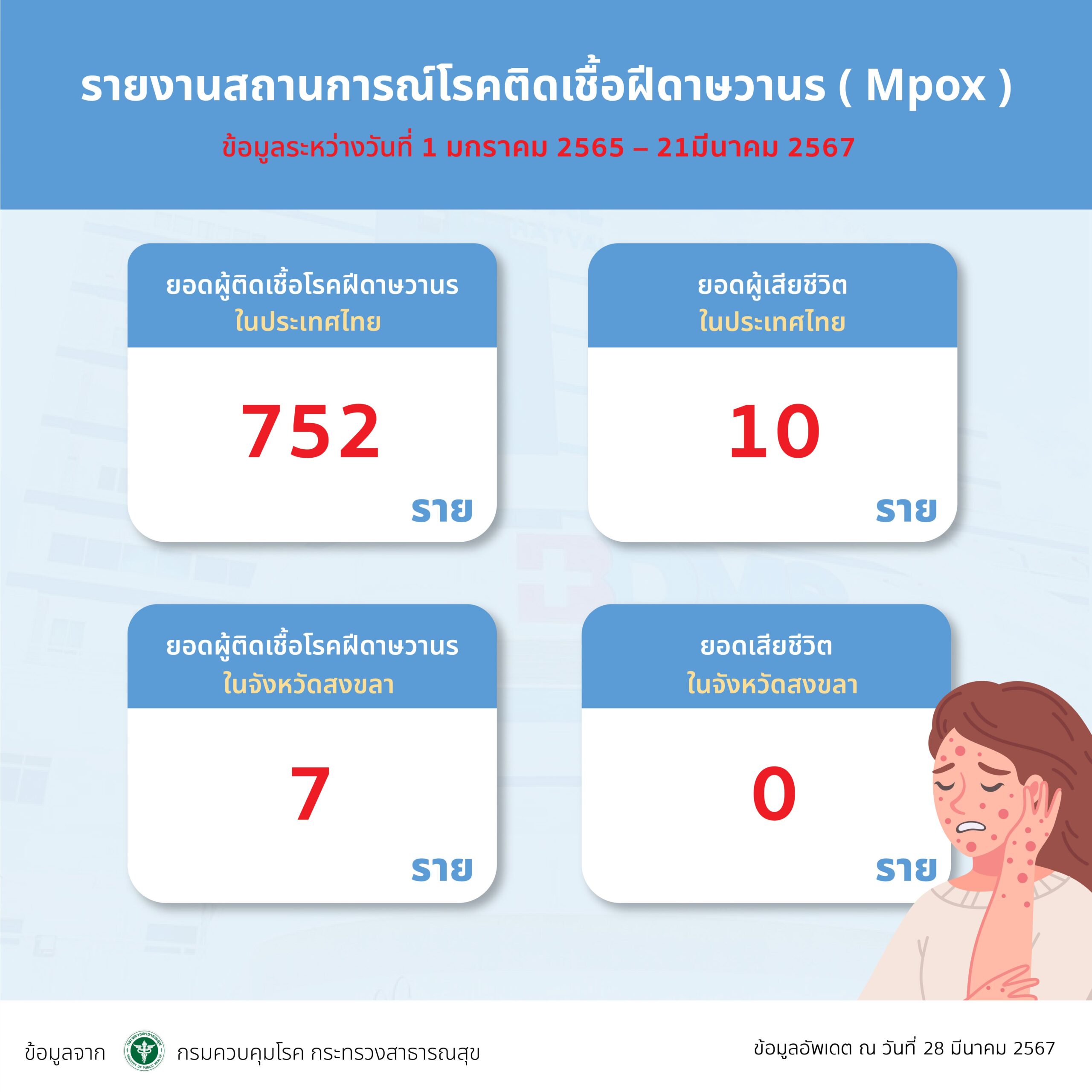
Monkey pox https://ddc.moph.go.th/monkeypox/dashboard.php
Dengue fever https://ddc.moph.go.th/dvb/ingma/#!/
Covid-19 https://ddc.moph.go.th/covid19-dashboard/?dashboard=main
Department of Disease Control: https://ddc.moph.go.th/en/index.php
World Health Organization : https://www.who.int/ , https://www.who.int/thailand
Centers for Disease Control and Prevention : https://www.cdc.gov/index.htm
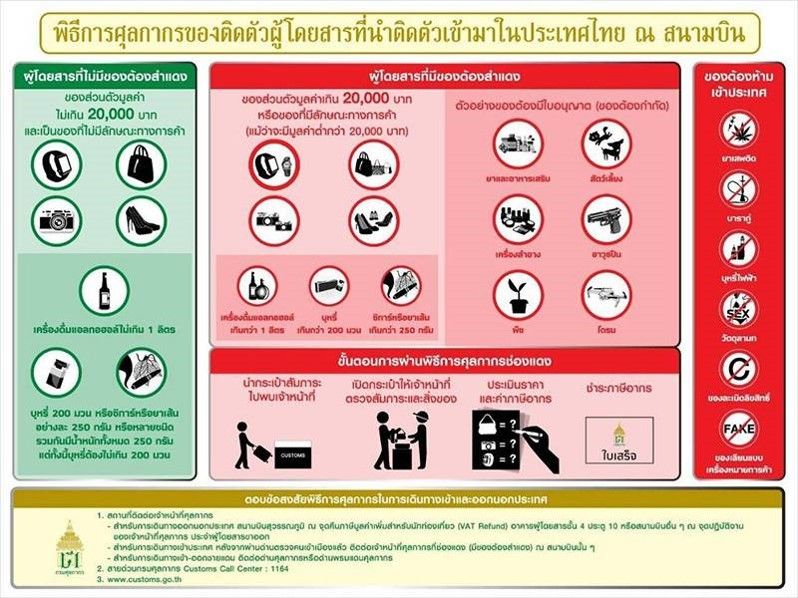
Thailand’s checklist of items that are restricted and prohibited for importing or exporting
The Customs Act B.E. 2560 (2017) contains import requirements and limits on items brought to the Kingdom of Thailand that all parties involved, whether Thai or foreign tourists, must comply with in order to avoid fines. If the declaration of product information or items is wrong, it is considered an offense according to the relevant laws. It is also an offense under Section 244 and Section 246 of the Customs Act B.E. 2560.
Prohibited items that may not be imported into the Kingdom of Thailand. Certain items are strictly prohibited by law from being imported into or exported out of the Kingdom, and in some cases, transmission (i.e., transit) is prohibited as well. Whoever brings in or exports prohibited goods will be punished according to the relevant laws and Section 244 and Section 246 of the Customs Act of 2017. A partial list of items prohibited from importing or exporting follows:
Obscene objects, whether in the form of books, paintings, prints, printed materials, pictures, advertisements, signs, photographs, films, or other obscene objects;
- Products with flags or patterns in the shape of the national flag;
- Narcotics;
- Fake money, bonds, fake bond interest certificates or a coin that dishonestly has been made lighter, coats of arms, imprints of the national seal or King’s name, fake seal or imprint of the government;
- Pirated goods such as sound tapes (music cassettes), sound discs (compact discs), tapes (video tapes), programs, computers, books, or any other reproduced goods, or the copyrighted work of others that has been modified, counterfeit goods, or imitation of a trademark.
Restricted items that may be imported into the Kingdom of Thailand under conditions. Some goods may legally be imported or exported or may transit through the Kingdom. They must be licensed or comply with the requirements of the relevant laws in full; for example, they must have import and export licenses, must comply with announcements related to labels or certificates of analysis or documents accompanying drugs, etc.
Examples of products with import measures and export measures, and standard products are as follows:
- Buddha images, art objects, and antiques require a license issued by the Fine Arts Department;
- Firearms, ammunition, explosives, and imitation firearms must have a license issued by the Department of Provincial Administration, Ministry of Interior;
- Plants and parts of plants require a permit issued by the Department of Agriculture;
- All live animals and carcasses must have a permit issued by the Department of Livestock Development;
- Food, drugs, cosmetics, and dietary supplements require a license issued by the Food and Drug Administration;
- All vehicle parts and all types of materials require a license issued by the Ministry of Industry;
- Cigarettes and tobacco in the amount of more than 200, or more than 250 grams of tobacco in any form, and alcoholic beverages in the amount of 1 liter or more require a license issued by the Excise Department;
- Radio communication tools and telecommunication equipment requires a license issued by the National Broadcasting and Telecommunications Commission.
Thailand Do’s and Don’ts
For the most part, Thailand is an easy-going country. Thai people are aware that overseas visitors have different customs and will often overlook minor cultural indiscretions. Most Thailand do’s and don’ts involve the same good manners and common sense you would apply to any country you travel to. There are, though, some important do’s and don’ts to be aware of to avoid causing offence.
Thailand do’s
- Do respect Thai culture.
- Do dress respectfully when visiting temples and palaces. Knees and shoulders should be covered.
- Do respect all Buddha images. Buddha images are sacred in Thailand and are not to be climbed or sat on.
- Do stand up when you hear the national anthem or royal anthem. You may hear the Thai national anthem in public spaces (train stations, bus stations, markets etc.) at 8am and 6pm each day. Take your cue from others around you and stop what you are doing and stand still. If you are in a cinema, the royal anthem is usually played before the film and you should join everyone else in standing for this.
- Do take off your shoes before entering temples and people’s homes. This can sometimes apply to shops too, so look for signs outside. If you see shoes already lined up outside, take yours off before going inside.
- Do smile! It may sound trite, but a smile can go a long way in establishing good intent and that will be appreciated in Thailand.
- Do adopt a mai pen rai attitude. When you are in Thailand you will hear the expression ‘mai pen rai‘ a lot. It translates as ‘no problem’ or ‘don’t worry about it’. Follow the Thai lead and don’t worry about the small stuff and enjoy your time in Thailand.
- Do return a wai. There are lots of subtle rules of etiquette involved with the Thai greeting, the wai. We could write a whole article about when you should or shouldn’t wai and how high the hands should be, but for a first time visitor to Thailand if a Thai person wais you, place your palms together, raise your hands towards your chin and return the wai with a smile.
Thailand don’ts
- Don’t expect things to be done the same way in Thailand as they are in the UK or Ireland. Retain your sense of humour and go with the flow.
- Don’t take things too seriously. In Thai culture there is a concept known as ‘sanuk‘. Broadly speaking, it’s the idea of having fun and taking enjoyment out of everything you do.
- Don’t point to anything with your feet and don’t place your feet on the table while sitting. If you accidentally drop some money, don’t step on it to stop it blowing away. This would be insulting the King whose image is on Thai currency.
- Don’t stand on the raised threshold of a house or temple. Traditional Thai belief says this is where the guardian spirits reside and to show respect and avoid disturbing them, you should step over the threshold.
- Don’t raise your voice. In Thai culture, keeping calm and not raising your voice are qualities that are admired. Shouting and getting angry won’t do you any favours.
- Don’t touch monks. Women should never touch a monk or hand anything directly to them.
- Don’t show disrespect to the Thai royal family. Thailand has strict laws on this which also cover social media.
- Don’t take Buddha images out of the country. Although it is allowed in some cases and if a permit has been granted, there are laws about what Buddha images can and can’t be taken out of Thailand. However, stores and market vendors will probably still sell them to you without telling you about the regulations.
- Don’t touch a Thai person’s head. The head is regarded as the most sacred part of the body and shouldn’t be touched. There are exceptions (e.g between lovers, when you go for a head massage, and parents ruffling children’s hair), but generally speaking don’t risk causing offence by touching someone’s head.
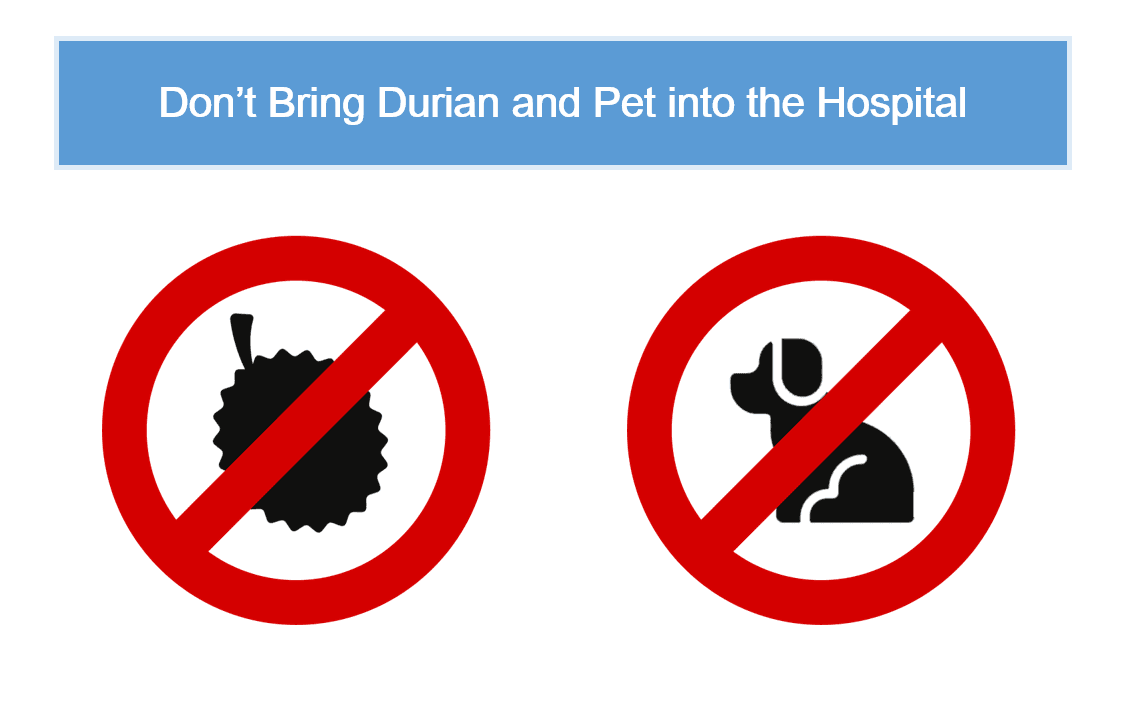
Don’t Bring Durian and Pet into the Hospital
The Ban on Commercial Surrogacy in Thailand
In accordance with Protection of a Child Born by Medically Assisted Reproductive Technology Act B.E. 2558 (2015), the Thai government shut down all commercial surrogacy in 2014. Shortly afterward, a federal law was passed in 2015 that made commercial surrogacy illegal for all intended parents, even if they were Thai citizens.