


How Tall Will My Child Be? Understanding Height Prediction and Growth Assessment
Many parents wonder whether their child will grow tall enough and whether their growth is progressing normally. If your child appears shorter than peers or their height gain seems slower than expected, it may be time to evaluate their growth pattern.
A child’s height is influenced by genetics, nutrition, sleep, physical activity, and hormonal balance. Understanding these factors can help parents support healthy growth and identify potential concerns early.
Factors That Influence a Child’s Height
Genetics
Genetics is the primary determinant of a child’s growth potential. Children of taller parents are more likely to be tall, while children of shorter parents may inherit similar height characteristics.
Environmental and Health Factors
Several factors support optimal growth:
- Balanced nutrition
- Adequate calorie and nutrient intake
- Regular physical activity
- Sufficient sleep
- Normal Growth Hormone production
- Healthy thyroid and sex hormone function
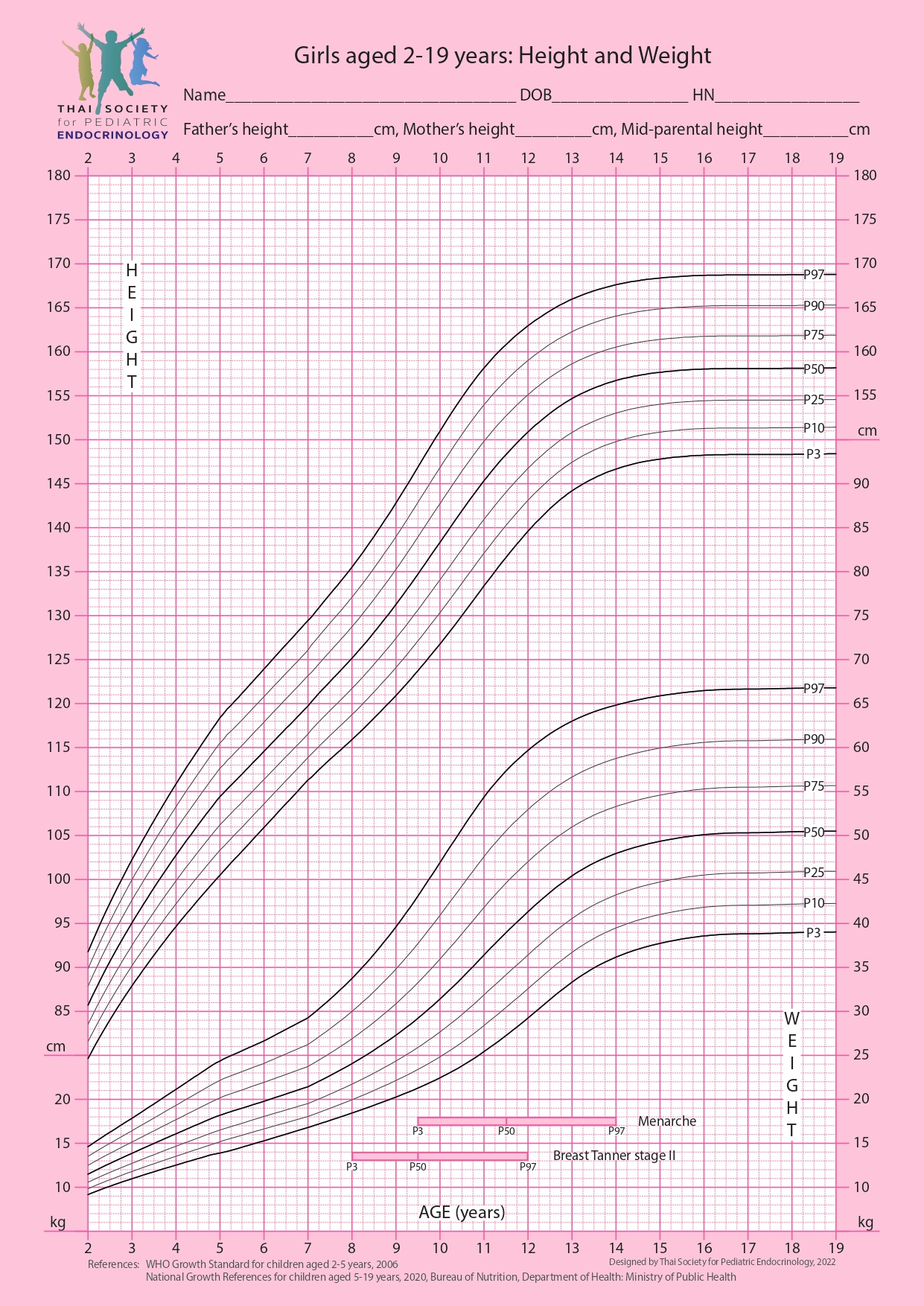
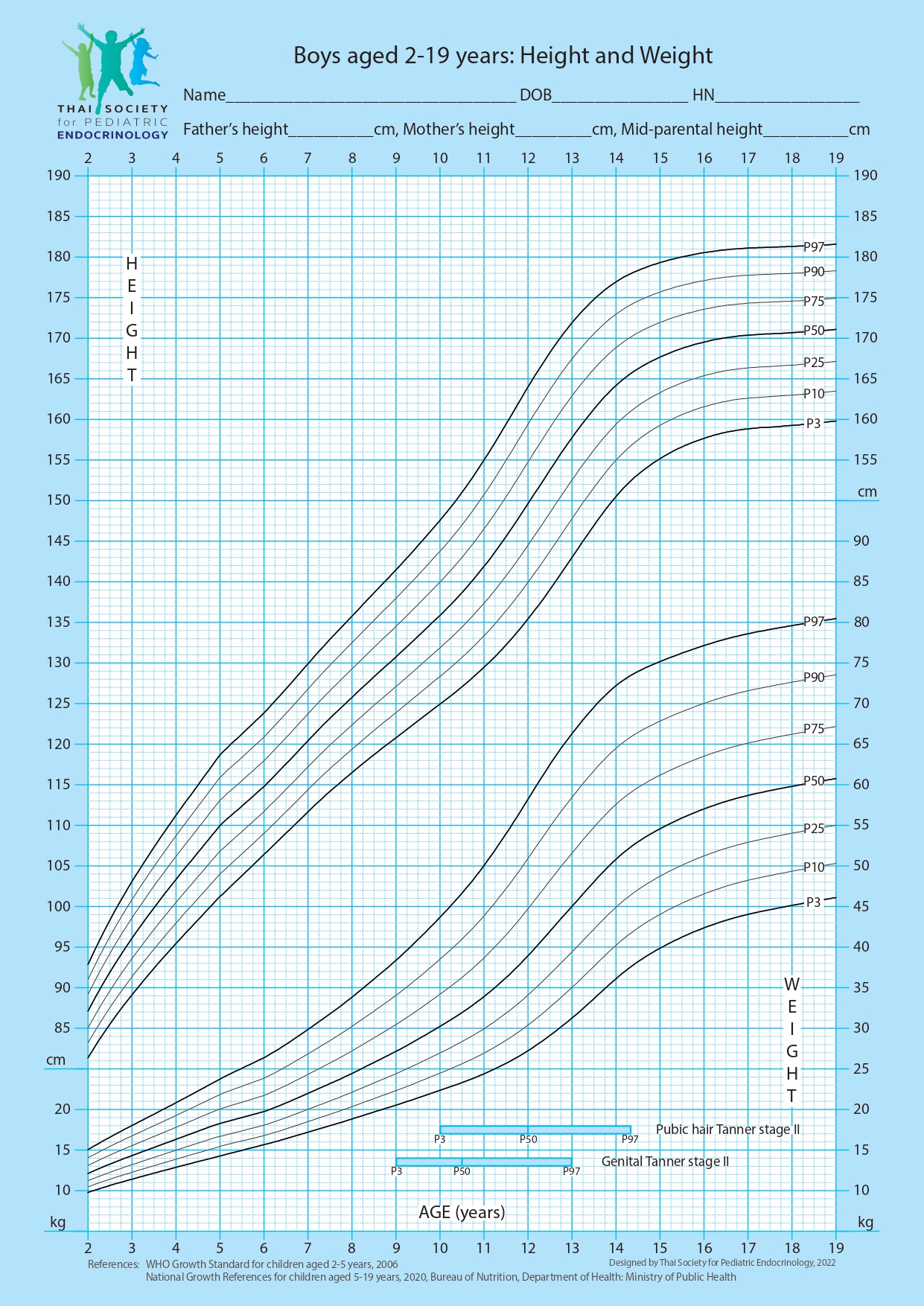
Average Height Gain by Age
Children generally grow at the following rates:
|
Age |
Average Height Increase |
|
Birth – 1 year |
23–27 cm/year |
|
1 – 2 years |
10–12 cm/year |
|
2 – 4 years |
6–7 cm/year |
|
Pre-puberty |
4–5.5 cm/year |
During puberty, children experience a rapid growth phase known as the Pubertal Growth Spurt:
- Girls: 7–10 cm/year
- Boys: 8–12 cm/year
 |
 |
How to Predict Your Child’s Adult Height
Method 1: Mid-Parental Height Formula
For Boys
(Father’s Height + Mother’s Height + 13 cm) ÷ 2
For Girls
(Father’s Height + Mother’s Height – 13 cm) ÷ 2
Example
- Father’s height: 175 cm
- Mother’s height: 152 cm
Predicted height for a boy:
(175 + 152 + 13) ÷ 2 = 170 cm
Predicted height for a girl:
(175 + 152 – 13) ÷ 2 = 157 cm
The actual adult height may vary by approximately ±8 cm from the predicted value.
What Is a Bone Age Assessment?
Bone Age assessment is one of the most reliable methods for estimating a child’s future adult height.
How Is Bone Age Measured?
A pediatrician orders an X-ray of the left hand and wrist. The image is compared with standardized bone age references or analyzed using specialized software to determine skeletal maturity and growth plate development.
This assessment helps estimate how much growth potential remains and supports treatment planning when necessary.

Method 2: Bone Age Assessment for Predicting Adult Height
Who Should Consider Bone Age Testing?
Children with Early Puberty Signs
- Breast development before age 8 in girls
- Testicular enlargement before age 9 in boys
- Early acne, body odor, or pubic hair
Children with Short Stature or Slow Growth
- Height below age-related standards
- Minimal annual height increase
Children Under Growth Treatment
- Growth Hormone therapy
- Treatment for precocious puberty
What Can Bone Age Results Reveal?
Advanced Bone Age
Often associated with precocious puberty or obesity. Growth plates may close earlier, potentially resulting in shorter adult height.
Delayed Bone Age
May be linked to nutritional deficiencies, Growth Hormone Deficiency, or Constitutional Delay of Growth and Puberty.
When Should You Consult a Pediatrician?
Parents should seek professional evaluation if their child grows significantly slower than expected, is considerably shorter than peers, or shows signs of unusually early puberty. Early assessment allows timely intervention and helps maximize a child’s growth potential
Reference:
- THAI SOCIETY FOR PEDIATRIC ENDOCRINOLOGY.
- Children and adolescents with short stature: Diagnostic approach. UpToDate. Retrieved June 15, 2026
- Evaluation of Short Stature in Children. American Family Physician (AFP) Journal. 2015;92(1):43-50