



Dry eye is a common condition that can occur in all genders and ages. Although most dry eye symptoms are not serious, leaving them untreated for a long time will worsen the irritation, leading to severe chronic inflammation, risking corneal ulcers and vision loss.
Dry eye is an eye disease caused by a malfunction of the lacrimal system, resulting in an insufficient amount of tears or excessive evaporation of tears, leading to discomfort symptoms such as eye irritation, burning, and dry eyes.
Main causes of dry eye condition
- Tear production is lower than normal (Aqueous Tear Deficiency) in groups of patients with various diseases, including
- Sjogren’s Syndrome group may result from autoimmune diseases like rheumatoid arthritis, Systemic Lupus Erythematosus (SLE), or idiopathic reasons (Primary Sjogren’s Syndrome).
- Non-Sjogren’s Syndrome group such as congenital lacrimal gland dysfunction, immune deficiencies, severe drug allergies, inflammation causing blockage of tear ducts from the gland, or corneal inflammation leading to abnormal perception. Prolonged contact lens usage affects natural tear stimulation, resulting in reduced tear production and dry eyes.
- Hormonal changes, often seen in menopausal women, as aging reduces fluid production throughout the body, including secretions.
- The use of certain medications causing dry eyes by reducing tear production. Taking multiple medications can increase dryness, including cold remedies, antihistamines, blood pressure medications, some antidepressants, etc.
- Rapid tear evaporation or abnormal tear properties (Evaporative Dry Eyes) include:
- Meibomian gland dysfunction, where eyelid oil glands are malfunctioning or blocked, causing eyelid inflammation, and evaporating tears quickly.
- Eyelid abnormalities, such as incomplete eyelid closure or abnormal blinking frequency.
- After exposure to chemicals or severe allergic reactions, inflammation of the conjunctiva may lead to scarring, compromising the mucous tear layer against the cornea.
- Excessive eye use, commonly seen in working adults using computers and wearing contact lenses, which draw moisture from the eyes, causing dryness, coupled with long hours staring at computer screens without blinking, reducing and quickly evaporating tears.

Warning signs of dry eye condition
- Eye irritation, itching, burning, or discomfort in the eyes.
- Intermittent blurred vision / easily tired eyes.
- A sensation of having sand or dust in the eyes.
- Sensitivity to light, wind; excessive tearing due to irritation.
- Red eyes and/or mucous discharge.
- Redness in the sclera from inflammation; red eyelid edges.
- Discomfort upon waking with eyes open in the morning.
Consequences of dry eye condition If left untreated, it may lead to other conditions such as:
- Eyelid inflammation.
- Eyelid retraction causing eyelashes to press into the eyes.
- Corneal ulcers.
Preventive measures for dry eye condition
- Adjust proper eye usage habits by resting eyes every 20 minutes, looking far away about 20 feet for 20 seconds.
- Avoid prolonged contact lens use, alternating with glasses, use in adequately lit environments when using computers or phones.
- Remind yourself to blink often, so tears coat the eyes periodically.
- If in dry, hot, or windy places, wear sunglasses to protect against sun and wind.
- Consume a complete diet and foods with Omega-3 fatty acids, which have antioxidant properties and may help reduce inflammation and relieve dry eye symptoms.

If symptoms persist after adjusting eye usage habits, a consultation with an ophthalmologist is recommended for proper diagnosis and treatment, along with appropriate behavioral adjustments. This is crucial in alleviating symptoms and reducing severity.
Diagnosis
- Taking patient history, such as symptoms, health history, medication history, etc., to assess risk factors leading to dry eye condition.
- Evaluating tear quality.
- Measuring tear quantity.
- Checking the Meibomian glands with a special camera called Meibography to assess gland damage.
Treatment
- Medication use, depending on the severity of the dry eye condition, selected by a doctor.
- Artificial tears, available as eye drops, gels, or ointments.
- Anti-inflammatory eyelid medication, such as antibiotics Azithromycin, Doxycycline.
- Eye drops that help reduce eye surface inflammation, such as steroids or immunosuppressants like Cyclosporine.
- Medications stimulating tear production, such as Diquafosol.
- Autologous serum, using the patient’s blood to make eye drops.
- Eyelid massage and cleaning expressing oil from the Meibomian glands along the eyelid margin to remove germs or dirt around the eyelids.
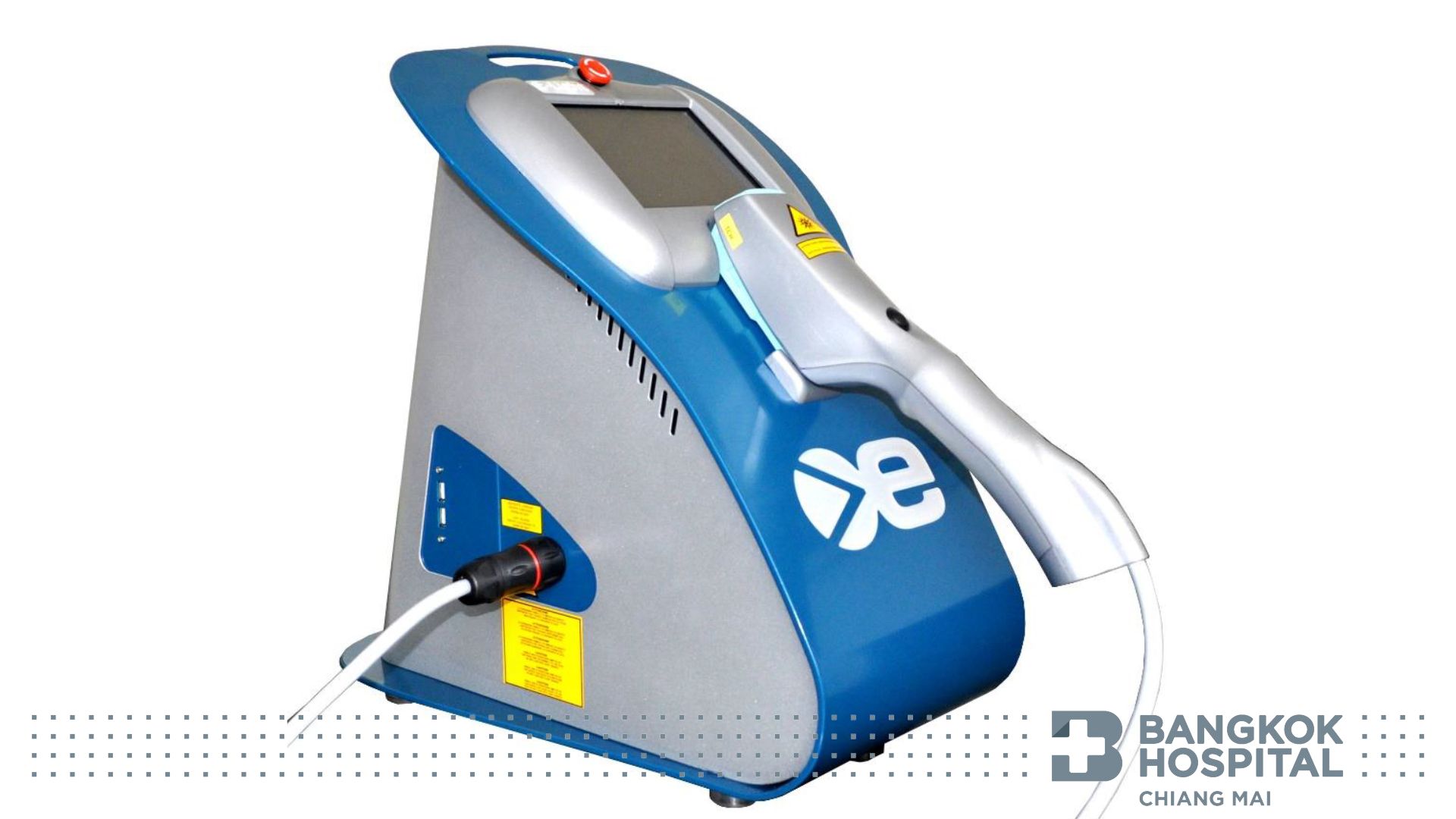
- IPL (Intense Pulse Light) therapy to help reduce and cut the cycle of eyelid inflammation, allowing oil from the Meibomian glands to dissolve and reduce blockages, improving tear production in the long term. Click here for consultation on IPL diagnostic equipment.
- Adjust lifestyle habits, reduce screen time on computers or smartphones, and take periodic eye breaks, as well as clean the eyelids with special solutions to remove germs or dirt around the eyelids.
- Regular warm compresses at 41-43 degrees Celsius temperature in the morning and evening.
IPL or Intense Pulse Light is a therapy for chronic dry eye or chronic eyelid inflammation using specific wavelength light. The emitted energy mimics a camera flash, affecting abnormal capillaries in the eyelids to contract, reducing and cutting the inflammation cycle. This also allows oil from the Meibomian glands to dissolve, reducing blockages and improving tear production over time. Moreover, it helps reduce bacteria and mites in the eyelashes, which cause eyelid inflammation and chronic dry eye.
IPL therapy for chronic dry eye is suitable for patients diagnosed with the following conditions:
- Eyelid inflammation from bacterial infection or eyelash mites (Demodex).
- Dysfunction of the oil glands (Meibomian Gland Dysfunction).
Patients will meet with an ophthalmologist for initial dry eye assessment to plan treatment since IPL therapy is a continuous process. Typically, treatment is recommended for about 4-8 sessions, depending on the symptoms and severity of each patient. After a diagnosis, suitable candidates can begin treatment immediately. Post light therapy, the next step is expressing/meibomian gland expression at the eyelid edges under a microscope by an ophthalmologist to enhance the effectiveness of chronic dry eye treatment.
Self-care after chronic dry eye treatment with IPL
- Avoid sun exposure for about a week after the procedure.
- Apply sunscreen SPF 50 or higher about 4 times daily.
- Strictly follow prescribed eye drop regimen for effective treatment.
If there are abnormal signs, such as excessive red eye, unusual light sensitivity, abnormal discharge, or excessive eye pain, visit an ophthalmologist before the appointment or call the ophthalmology department initially at 052089880
Best regards from
Ophthalmology Department | Bangkok Hospital Chiang Mai
Tel. 052-089880 or Call Center 1719