
First of all, congratulations on welcoming your little one in the year of the “Golden Ox”! Amid the joy, many parents still worry about pregnancy safety, especially during the current COVID-19 outbreak.
Currently, there’s not enough data to confirm that COVID-19 infection in pregnancy increases the risk of miscarriage or death. What we know is that infection in the third trimester may lead to more severe illness—higher chance of ICU admission, ventilator use, and preterm birth.
So it’s best to be extra careful throughout your pregnancy. Here are tips to keep you and your baby safe:

How Pregnant Women Can Protect Themselves During COVID-19
- Maintain at least 2 meters of physical distance—even from family members.
- Wear a mask correctly and consistently.
- Wash hands with soap for at least 20 seconds or use ≥70% alcohol hand sanitizer.
- Avoid touching your face, mouth, and nose.
- Eat all five food groups, focusing on clean, thoroughly cooked meals; use your own serving utensils.
- Don’t share personal items (handkerchiefs, glasses, utensils, etc.).
- Avoid crowded or high-risk areas.
- Get 8–10 hours of sleep per night.
- Relax with music or entertainment to reduce stress.
- If possible, work from home; if not, follow these precautions strictly at work.
- Attend all prenatal appointments and take your prenatal vitamins.

Every Pregnant Mother Should Get the COVID-19 Vaccine!
Leading bodies—ACOG, the Thai Department of Health, the Royal Thai College of Obstetricians & Gynaecologists, and infectious disease experts—recommend that all pregnant women be vaccinated, especially those at higher risk (healthcare workers, people in high-transmission areas, or with underlying conditions like diabetes, hypertension, lung disease, asthma, or obesity).
Timing: after 12 weeks gestation, starting with Sinovac (inactivated virus) is advised. Women planning pregnancy or breastfeeding may also safely receive it. Although data is still limited, discuss benefits and side effects with your obstetrician and monitor your health vigilantly. If you develop fever, cough, sore throat, difficulty breathing, or have exposure history, consult your doctor right away.
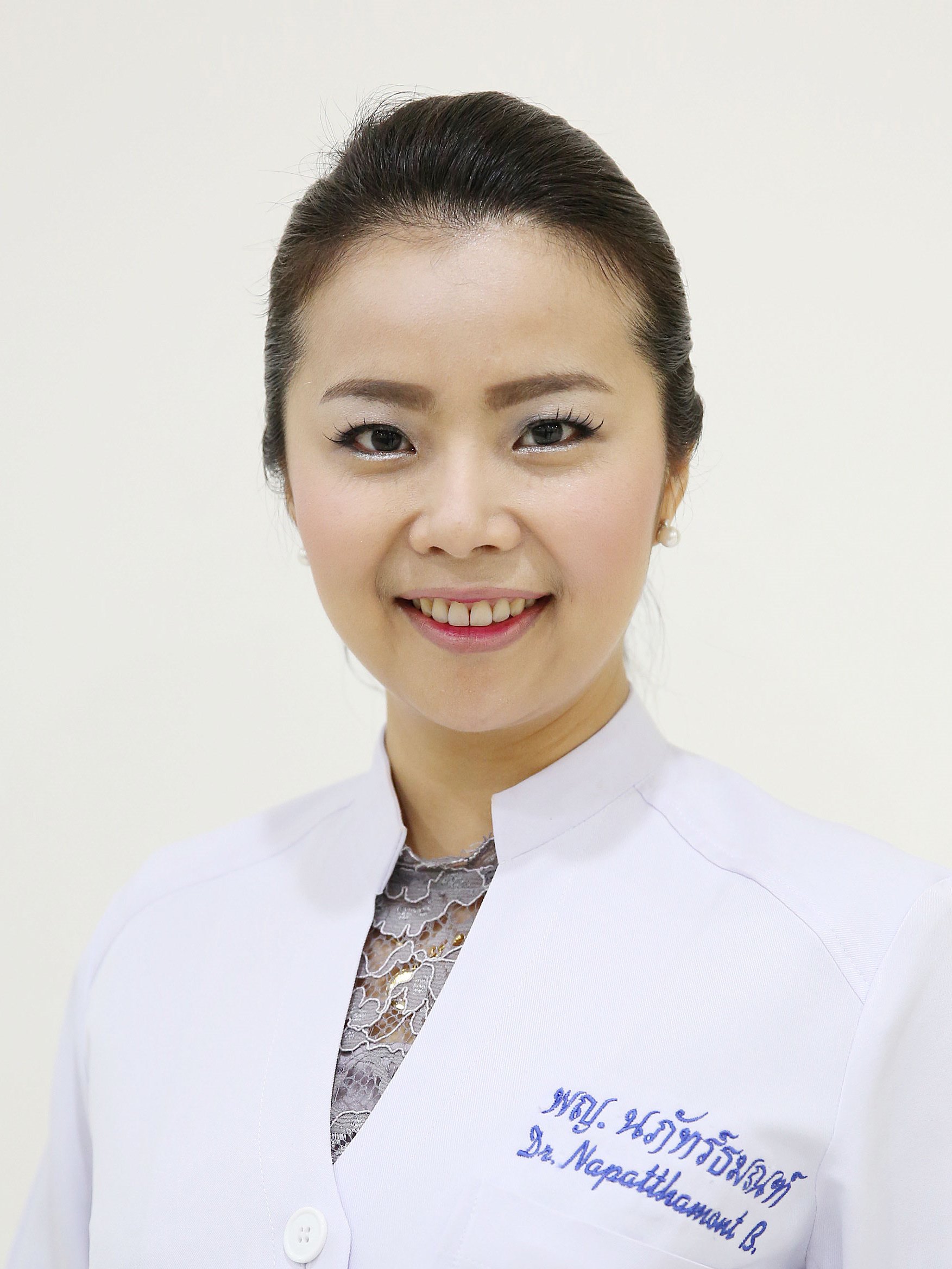
Dr. Napatthamont Boonma, MD
Department of Obstetrics & Gynecology
Women’s Health Clinic | Bangkok Hospital Chiang Mai
Tel. 052 089 888 or 1719