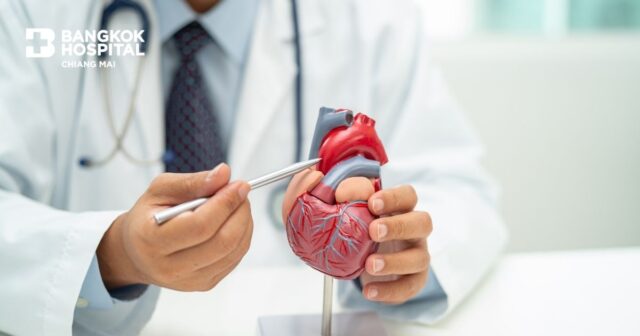

Heart is an essential organ for pumping blood to various parts of the body. Certain conditions like high blood pressure and coronary artery blockage can weaken the heart muscle, preventing it from pumping blood normally. Initially, the heart works harder to ensure that blood continues to circulate properly to organs, but as it works more, the heart muscle begins to weaken, causing inadequate blood pumping and leading to the following problems:
Lungs: Can experience fluid accumulation, leading to difficulty breathing
Kidneys: May receive reduced blood supply, causing difficulty in urination and fluid retention in various parts of the body
Ankles and Feet: Swelling from excess fluid
Heart failure is a condition in which the heart does not function normally, causing easy fatigue during work or regular activities.
If you suspect heart failure or have the following symptoms, you should consult a specialist immediately:
- Swelling, especially in the feet or ankles
- Unusually easy fatigue or shortness of breath while lying flat
- Chest tightness or chest pain
- Palpitations
Palpitations or Arrhythmia
Palpitations are a risk factor for heart disease and can lead to death. They commonly result from arrhythmia, meaning an irregular heart rhythm, such as too fast, too slow, or irregular. Other symptoms may include fatigue, chest pain, dizziness, fainting, stroke, heart failure, and possibly death if the arrhythmia is severe.
People experiencing palpitations should consult a doctor to diagnose what type of arrhythmia they may have. The doctor will conduct a physical examination and may perform additional tests as necessary, such as ECG, echocardiogram, stress test, and 24-hour Holter monitoring.
With today’s advanced technology, doctors can treat and manage all types of arrhythmias, whether through medication or various medical devices.