dr. wasupong sridermma
Vascular surgeon experienced in treating blood clots in leg arteries, yielding satisfactory results without amputation

Vascular surgeon experienced in treating blood clots in leg arteries, yielding satisfactory results without amputation


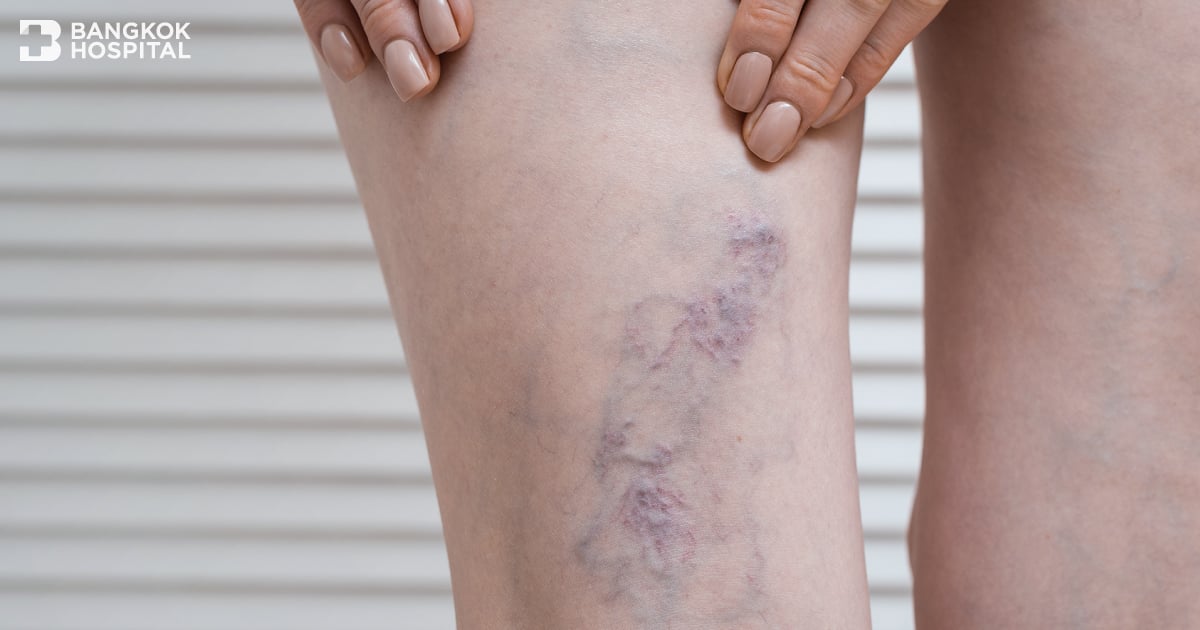
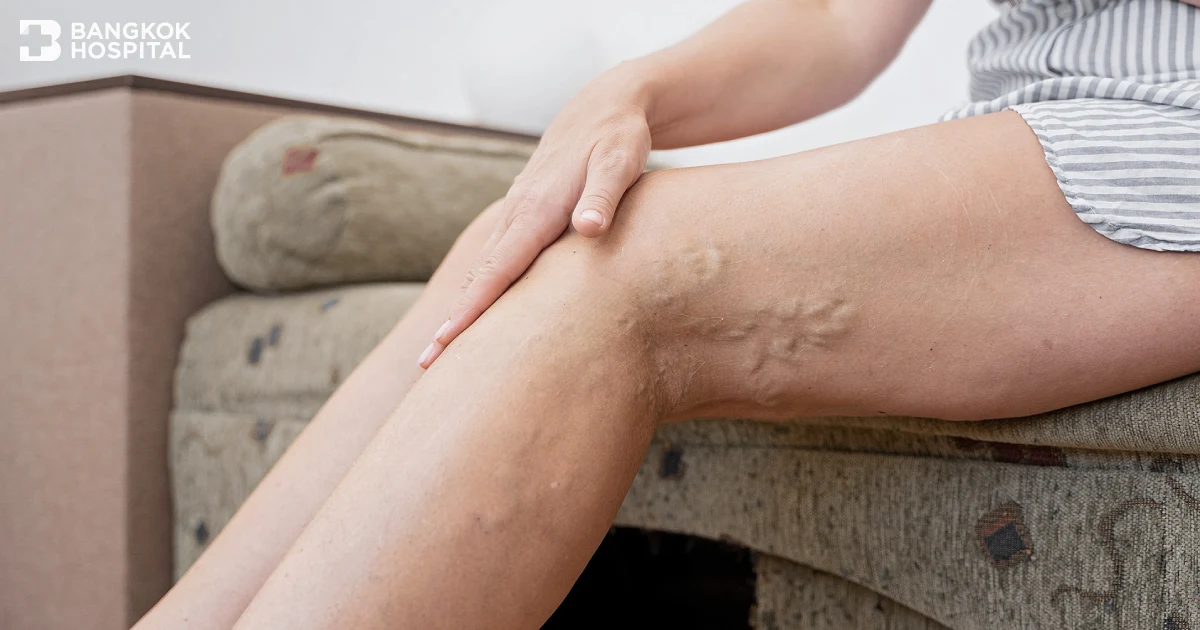
Varicose veins are more common in our lives than you think as they directly involve your veins.

Chronic venous insufficiency (CVI) refers to a condition when the venous wall and/or valves in the lower extremities do not work properly, making it more difficult for blood to return to the heart from the legs. CVI is caused by damaged or weakened valves and vein wall due to aging and prolonged sitting or standing as well as reduced mobility. As a result, blood can flow backwards and pool or collect in these veins, leading to swelling in the lower legs and ankles.

Vascular access problems can usually develop in patients who need frequent administration of intravenous fluids or drugs and blood transfusion.

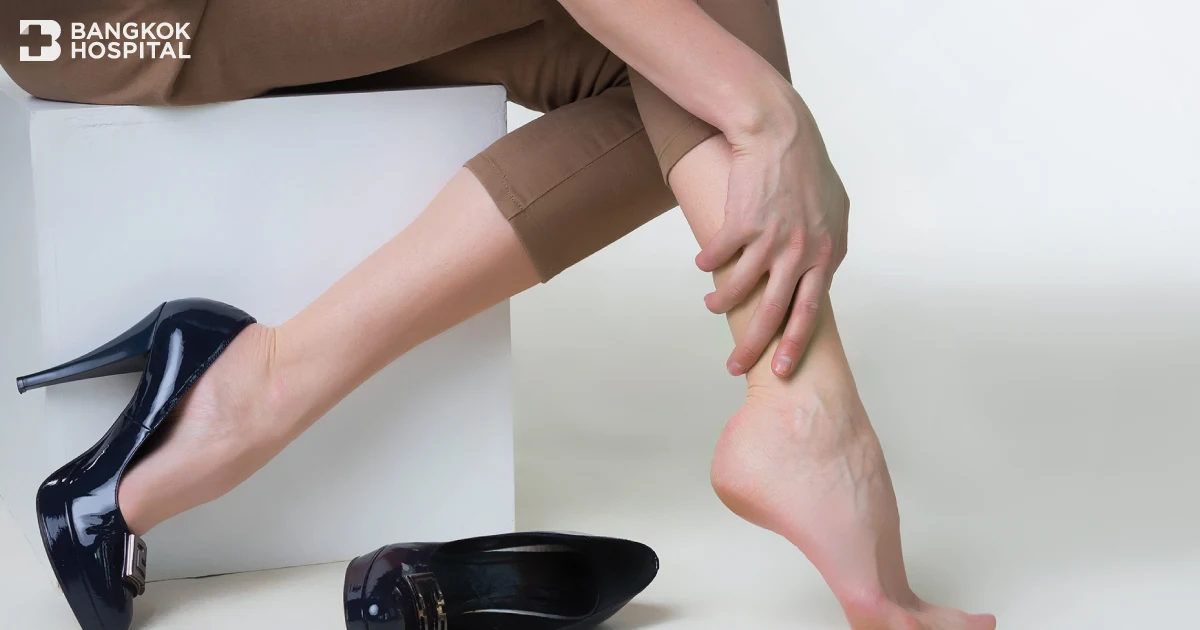
Work from home has become a reality for a large number of people across the world due to the tremendous effects caused by the COVID-19 pandemic. Although avoiding the commute is a crucial tool in preventing COVID-19 amidst the crisis, the sedentary lifestyles during working from home or even a long travel journey pose significant risks on health and wellbeing, especially when it comes to venous problems.

Peripheral Arterial Disease (PAD) is a common circulatory problem in which narrowed arteries reduce blood flow to the limbs e.g. the legs and arms. The severity of PAD varies, depending on the occlusive degrees, from mild discomfort to debilitating leg pain. If left untreated, this vascular disease might become chronic problem and act as a silent killer that can result in life-threatening conditions. If warning signs and symptoms of PAD exhibit, they must not be overlooked. Immediate medical attention for early detection of PAD should be sought in order to get accurate diagnosis and appropriate treatment before it progresses as well as reduce disease severity and chances of critical limb ischemia and limb amputation.