





Related Articles
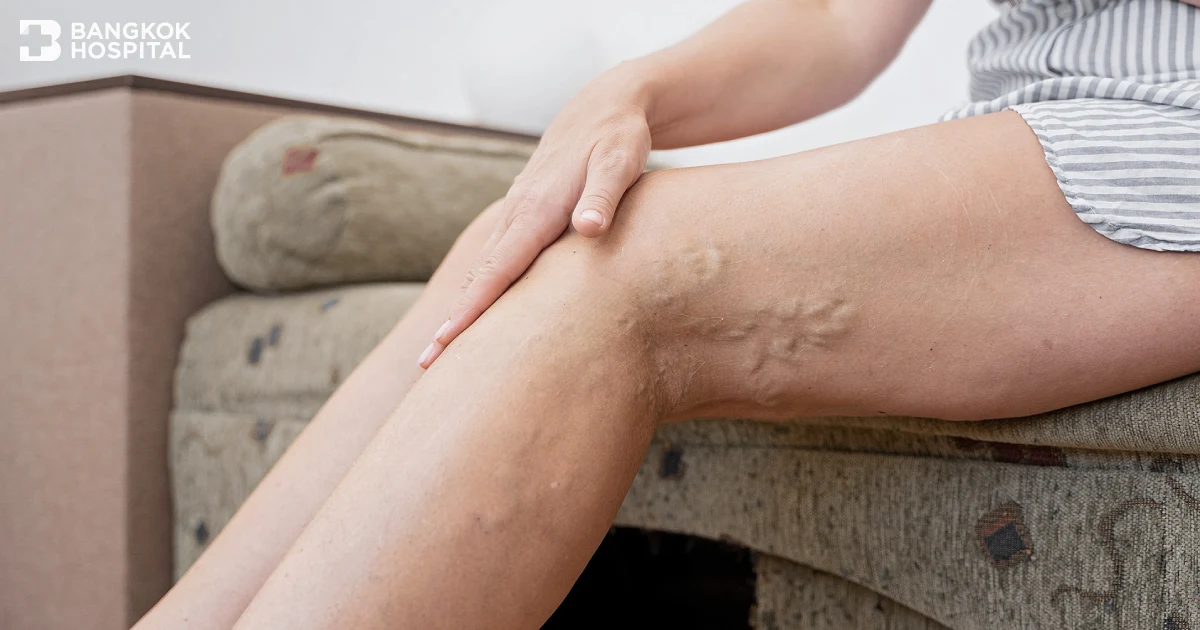
Chronic Venous Insufficiency (CVI), Get it treated right away before it becomes too late.
Learn about common venous diseases like varicose veins and deep vein thrombosis, including their symptoms, risk factors, and advanced treatment options.

Implanted Chemo Port - An implanted device allowing easy access to the veins for chemotherapy
Vascular access problems can usually develop in patients who need frequent administration of intravenous fluids or drugs and blood transfusion.

Early Detection of Peripheral Arterial Disease Reduces Risk of Limb Amputation
Peripheral Arterial Disease (PAD) is a common circulatory problem in which narrowed arteries reduce blood flow to the limbs e.g. the legs and arms. The severity of PAD varies, depending on the occlusive degrees, from mild discomfort to debilitating leg pain. If left untreated, this vascular disease might become chronic problem and act as a silent killer that can result in life-threatening conditions. If warning signs and symptoms of PAD exhibit, they must not be overlooked. Immediate medical attention for early detection of PAD should be sought in order to get accurate diagnosis and appropriate treatment before it progresses as well as reduce disease severity and chances of critical limb ischemia and limb amputation.