



Many people are dedicated to losing weight with discipline through various methods, including diet control, exercise, and fasting, but the numbers on the scale never decrease. This may be due to hormonal imbalances affecting weight loss, such as hormones from the digestive tract, making weight loss difficult and not as effective as planned.
What is Obesity?
Obesity (Obesity) is a condition where the body accumulates more fat than necessary. When there is excess fat, the risk of chronic diseases naturally follows, such as high blood pressure, diabetes, abnormal blood lipids, heart and vascular diseases, various cancers, etc. The evaluation of obesity comes from the body mass index (BMI) combined with waist circumference, body fat proportion, and checking for other causes and associated diseases, such as lipid levels, sugar, thyroid, high blood pressure. It is essential to consult a specialized doctor to take care of yourself properly.
Methods to Lose Weight and Treat Obesity
There are several ways to lose weight to treat obesity including:
- Behavioral changes such as controlling the amount of food, reducing sugar, fat, salt, fried foods, processed foods, regular exercise, and getting enough sleep.
- Medication must be according to the advice of a doctor only. It is suitable for those who cannot adjust their behavior alone to lose weight, or those not ready for surgery but wish to achieve their set goals.
- Surgery to reduce stomach size or perform intestine bypass surgery to achieve long-term weight loss results, which must be under the supervision of a specialist doctor.
Why Doesn’t My Weight Decrease Despite My Efforts?
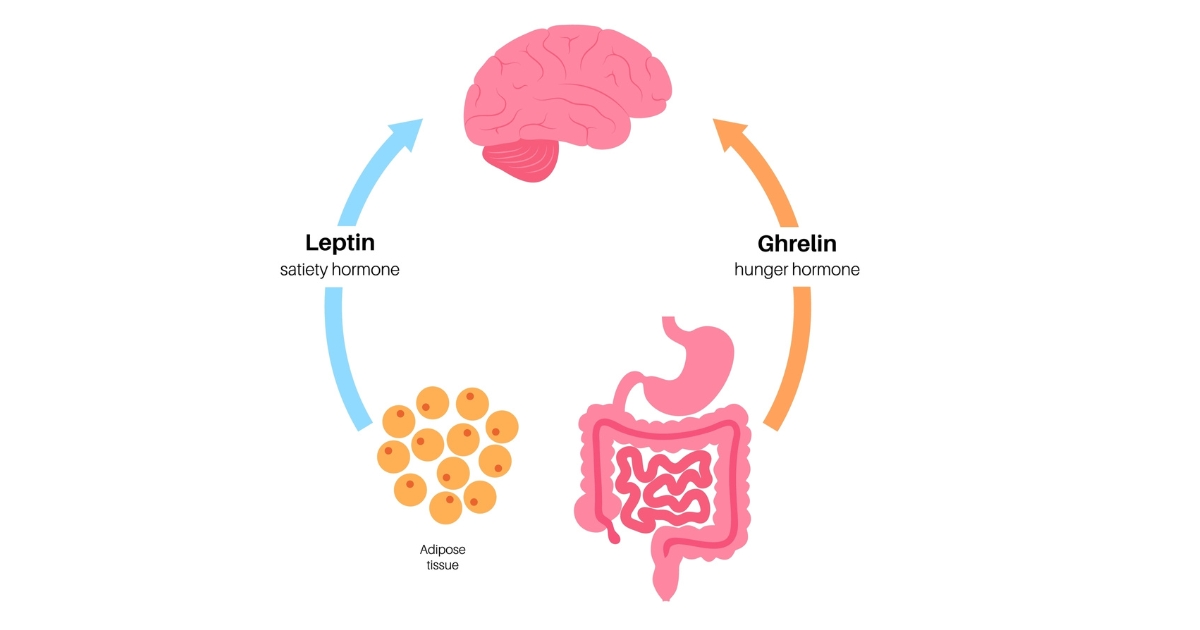
If you are trying various methods to lose weight but the weight does not decrease or increases, it may be because the body is hormonally imbalanced. This is because when you lose weight, the body adjusts its hormone balance to maintain the original weight. Several types of hormonal systems adjust themselves to resist changes, such as increasing hunger-stimulating hormones like the Ghrelin Hormone, reducing hormones that make you feel full like GLP-1 (Glucagon-like peptide-1), and reducing the basal metabolic rate essential for daily life. Therefore, frequent hunger, easy fatigue, and unchanged weight come from the body’s mechanism trying to prevent energy loss.
How Do Digestive Tract Hormones Control Excess Weight?
The intestines control hunger, fullness, fat storage, and sugar utilization induced by hormones secreted from the digestive tract after meals. Currently, there are 2 types of hormones used in treating obesity and diabetes, including:
- Hormone GLP-1 (Glucagon-like peptide-1) produced at the end part of the small intestine, responsible for slowing digestion, keeping you full for longer, stimulating insulin secretion, helping to reduce appetite.
- Hormone GIP (Glucose-dependent Insulinotropic Polypeptide) produced in the early part of the small intestine, responsible for fat storage, stimulating insulin whenblood sugar levels are high, helping you eat less.

How to Lose Weight Effectively?
The human body has a complex mechanism. Apart from eating, exercising, and resting, there is also the issue of the hormone system from the digestive tract controlling hunger, fullness, metabolic rate, and fat accumulation. Therefore, if you adjust both diet and exercise but don’t see the expected results, it is advisable to consult a specialist for a detailed body check-up and discussion on suitable and sustainable weight loss methods for long-term health.
Reference
- Samms, R. J., Coghlan, M. P., & Sloop, K. W. (2020). How may GIP enhance the therapeutic efficacy of GLP-1? Trends in Endocrinology & Metabolism, 31(6), 410–421. https://doi.org/10.1016/j.tem.2020.02.006
- Min, T., & Bain, S. C. (2020). The role of tirzepatide, dual GIP and GLP-1 receptor agonist, in the management of type 2 diabetes: The SURPASS clinical trials. Diabetes Therapy. Advance online publication. https://doi.org/10.1007/s13300-020-00981-0
Where to Find Specialized Obesity Treatment Hospitals?
The Weight Loss and Obesity Treatment Clinic at Bangkok Hospital is ready to manage weight loss and obesity treatment, with a team of experienced specialists and a multi-disciplinary team providing close advisory services for effective weight loss and long-term health.
Doctors Specialized in Obesity Treatment
Dr..Somchodok Chakreeyarat, Endocrinology and Metabolism Specialist, Weight Loss and Obesity Treatment Clinic, Bangkok Hospital
You canclick here to make an appointment yourself.
Weight Loss and Obesity Treatment Packages
Professional Weight Loss Package Let’s SLIM click here