It is well known that allergies and asthma in children tend to be genetic. Therefore, a father or a mother or both who have allergies are likely to pass on the condition to their children. However, fortunately, there are processes to help delay or prevent the development of allergic conditions or asthma in children if detected early.
Understanding and Preventing Food Allergies
Food allergies can cause problems such as skin inflammation to life-threatening allergic reactions. Therefore, parents should be aware to prevent food allergies in their little ones, which include:
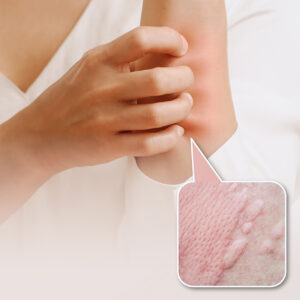
– Babies with siblings or parents who have food allergies are at risk of developing food allergies, showing symptoms such as skin rash allergic dermatitis, allergic rhinitis.
– It is not recommended to limit the consumption of foods containing allergens during pregnancy and breastfeeding to prevent food allergies in children, as recent data showed avoiding foods containing allergens during pregnancy and breastfeeding does not prevent the development of food allergies in children.
– Know the foods that can trigger allergic reactions, such as peanuts, tree nuts, cow’s milk, eggs, soy, wheat, seafood, introducing such foods to the little ones gradually starting from 4 – 6 months. Once the baby can accept these foods, gradually introduce fish and nut types, as delaying these foods may increase the risk of developing allergies.
– Providing breast milk during the first 4 – 6 months after birth is important, as it helps boost the immune system in infants while also delaying or preventing the development of skin inflammation, skin rash allergies, wheezing due to bronchoconstriction, and cow’s milk allergy. The likelihood that breast milk will trigger allergies in babies is rare, as breast milk is easier to digest and also helps prevent lung infections that can induce asthma in the long term.
– For babies at risk of food allergies and when the mother cannot breastfeed,it is recommended to use hydrolyzed formula milkwhich is considered by doctors. This milk is for babies who are at risk or already have allergies (Hypoallergenic), replacing cow’s milk and soy milk, to help boost immunity and prevent skin rash allergies and milk allergies.
– Supplement babies with fruits, vegetables, and grains between 4 – 6 months, including fruits (apples, pears, bananas), vegetables (green vegetables, sweet potatoes, pumpkins, and carrots), and grains (rice or oats), introducing one at a time and providing every 3 – 5 days as appropriate to enhance baby’s development readiness. This method allows parents or caregivers to identify the type of food and avoid those causing food allergies.
Consult a doctor immediately if an allergic reaction occurs, such as moderate to severe types of skin inflammation or if siblings are allergic to peanuts.
***It is not recommended to avoid TOP 5 or TOP 8 foods on your own without confirmed allergy tests, as avoidance can affect the quality of breast milk and impact the growth of the baby.
Knowing and Preventing Environmental Allergies and Asthma
Some airborne substances may cause allergies or asthma, thus reducing direct exposure to certain allergens early in life may help delay or prevent allergic reactions or asthma symptoms, as follows:
1. Dust mites
Research indicates that allergies or asthma can be caused by dust mites. If it is known that a baby is at high risk of developing allergies, methods to control dust mites include using allergy-preventive zippered mattress and pillow covers, washing bedding in hot water once a week, maintaining humidity in the room below 50%, and removing carpets and furniture from the baby’s bedroom.
2. Pets and others
The link between early childhood exposure to pets and the development of allergies and asthma is complex, involving many factors. Previous evidence showed that children exposed to pets tended to develop allergies and asthma, but recent research suggests that being close to pets, especially cats and dogs, may protect children from developing allergies and asthma. New studies also show that children growing up on farms have fewer allergies and asthma than other children.
3. Cigarette smoke
The most important thing is to prevent babies from being exposed to cigarette smoke, both prenatally and postnatally. Smoking during pregnancy increases the risk of wheezing in children, and secondhand smoke from others stimulates the development of asthma and other chronic respiratory diseases.
Allergy Testing
Generally, allergy testing is highly efficient for children of all ages. When combined with the expertise of an allergist, it can accurately identify allergens. For instance, if a child wheezes when at home, it may not be necessary to remove a pet from the house if allergy testing shows dust mites are the cause, not the pet. This information helps allergists develop a treatment plan to manage or eliminate the child’s allergic symptoms.
If you suspect that your child has allergies or asthma, it is crucial to seek help from a specialist, such as an allergist experienced in diagnosing and treating allergies, asthma, and other immune system-related diseases.
REF:
[https://www.aaaai.org/conditions-and-treatments/library/allergy-library/prevention-of-allergies-and-asthma-in-children](https://www.aaaai.org/conditions-and-treatments/library/allergy-library/prevention-of-allergies-and-asthma-in-children)