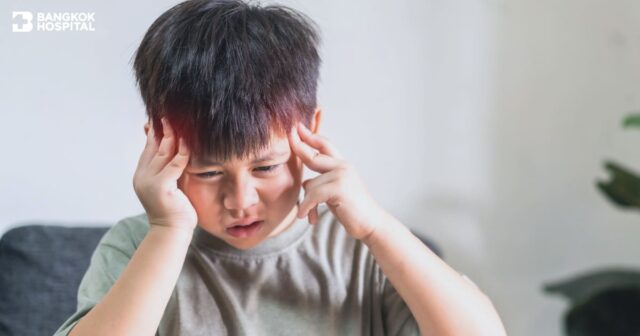
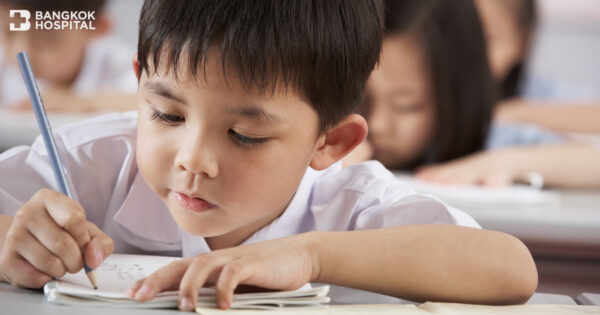
When children start their schooling, they can easily get sick as it is the nature of being with other children. Though, this is a point of concern for parents, knowing how to handle and protect your child during school terms not only helps allay your worry but also encourages your child to reach his or her full potential along with other children without having to be homeschooled alone
Understand Children’s Sickness from School
Being frequently sick is a normal part of children’s schooling, as they meet friends and participate in many activities which expose them to all kinds of bacteria. This will help them build and enhance their healthy immune system. During their very first school term they may get sick more often, as they have yet to build their immune system properly but it will gradually increase afterward. It is typical for them to get sick, but it will become less frequent because children are quick to adapt to their environment. So, parents should not be overly anxious as their children’s sickness is generally temporarily about 3-7 days and is normally covered by most of the necessary basic vaccines. However, in case your child remains sick for a longer period, you should seek consultation with a pediatrician immediately; as it may require hospitalization for a quick recovery so that your child can return to school. In any case, going to school stimulates a child’s development better than studying at home.
Communicable Diseases in Schools
The most common communicable diseases in schools include:
Respiratory Syncytial Virus (RSV) such as influenza or flu which can be found in children under the age of 5. The symptoms are similar but they can be severe if the virus infects the lungs also. If your child’s fever stays over 38.5˚C even after medication, you need to check with your pediatrician promptly; as this situation may lead to seizure. If the fever persists for more than 3 days, there is a risk of dengue fever.Moreover, if your little one shows a sign of lethargy, he or she may have an infection caused by pneumococcus bacteria, meningitis, or severe pneumonia, all of which may result in a lifelong disability or even death, especially in children under the age of 2. The initial action should be to wipe down your child with tepid water or to give your child a fever-reducing medicine.
Gastrointestinal disease Children usually play the same toys or have activities together, so there are chances they can contract an illness from one another. Norovirus infection is the most common disease today, as there is no known vaccine for protection; and it can easily be contracted when there is an outbreak. As for Rotavirus, however, there already is a vaccine and parents should be alert to your child’s symptoms. If he or she has a diarrhea, vomit, or watery diarrhea more than 5 times in a day and has a fever, it maybe because of Norovirus which the body system can flush it out naturally. In this case, a pediatrician may prescribe some supportive treatments until your child’s fever is down and dehydration stops. Sometimes, the doctor may use antibiotics also.
What parents should really be aware of is Salmonella bacteria that can come from contaminated fruits and vegetables. Mostly, this happens to children under the age of 6. If you child is infected, he or she will have a high fever, stomachache, and smelly greenish mucus stool. In children, their symptoms will be more severe than in adults, and they will need antibiotics for a faster recovery.
Vaccines for School-Age Children
Basic vaccination that are necessary for building a child’s immune system include vaccines against diphtheria, tetanus, pertussis, measles, rubella, mumps, encephalitis, tuberculosis, hepatitis B, polio, and HPV.
In addition, there are other vaccines that help prevent or reduce severity of certain diseases and make your child healthier and stronger. So, parents may consider the following supplemental vaccines for your children:
Flu Vaccine – once a year for children from 6 months – 18 years old.
- Rotavirus Vaccine – two doses at 2 and 4 months old.
- IPD Vaccine – starting early from 2, 4, and 6 months old because the conditions may be very severe in babies.
- Enterovirus Type 71 Vaccine – any time between 6 months to 6 years old because there is a high risk of infection.
- Varicella Vaccine – twice in their life time, once at the age of between 12 to 18 months, and again between 4 to 6 years old.
- Hepatitis A Vaccine – from the age of 1 onward and the second vaccination between 6 to 12 months later, to protect against jaundice
- Dengue Vaccine – can begin vaccination from the age of 9 and above. Three times in all, separated by 6-month intervals, to help lessen the disease’s severity.
- Pneumococcal Vaccine – can be vaccinated between the first 6 weeks to 9 years old to prevent pneumonia and meningitis.
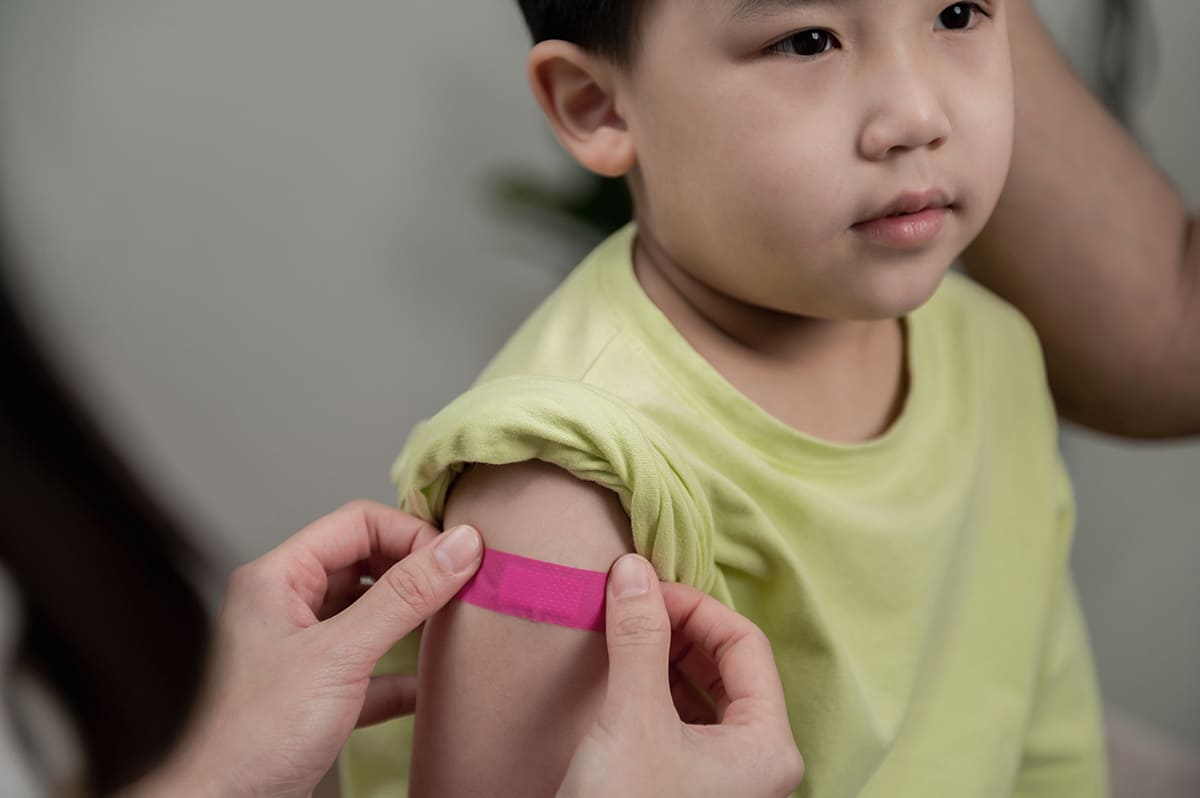
How to Prepare Your Child for Vaccination
- The child should be healthy, no high fever or acute sickness.
- Before vaccination, ask about the side effects and how to take care of your child afterward.
- It is possible to see swelling at the point of injection.
- Observe your child at least for half an hour after injection.
- If your child has allergic reaction to the vaccine or has an unusual symptom after the injection, please contact your pediatrician promptly.
Additional Protection for School-Age Children
As a parent, you can add a shield of protection for your child as he or she goes to school every day, by making sure that your child does the following:
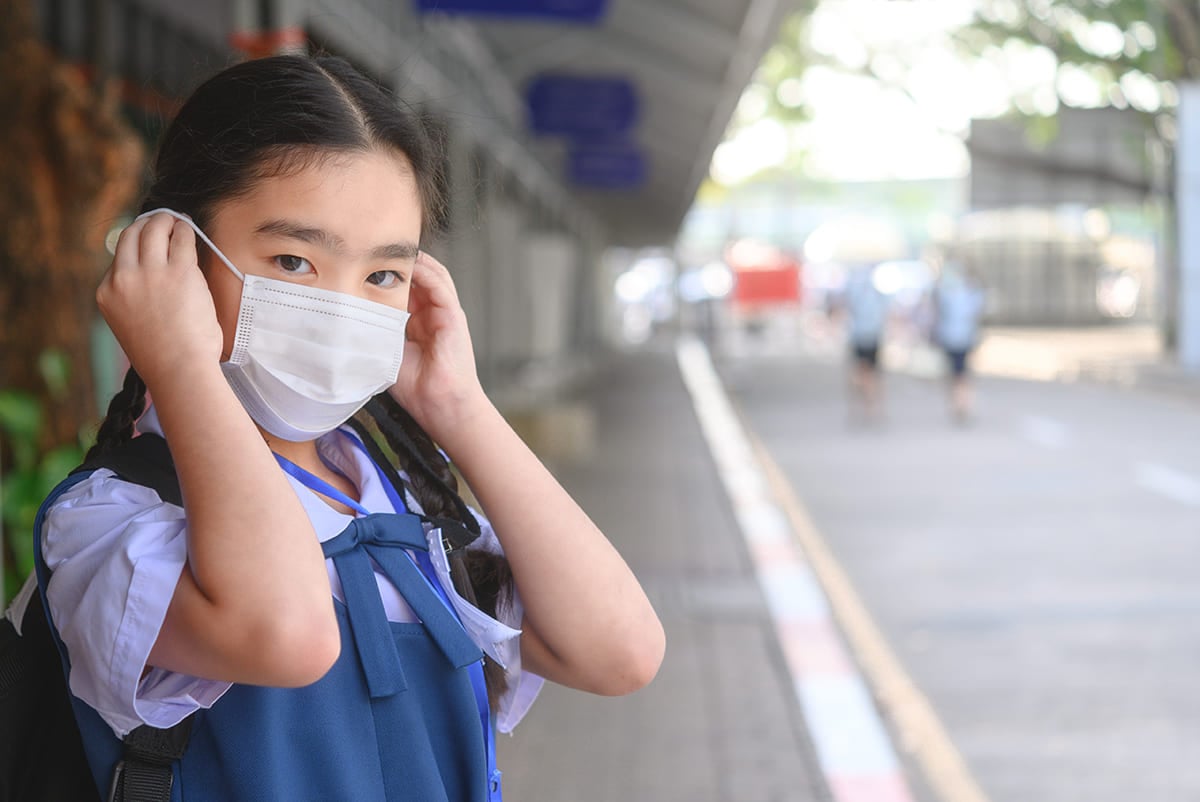
- Wear a surgical mask while in the classroom or among other people.
- Wash hands with soap and alcohol together.
- Use personal utensils such as fork, spoon and cup without sharing with others.
- If your child is ill, you should wait until he or she is cured before returning to school, to prevent illness transmission.
- Eat all 5 food groups to get proper nutrition and vitamins.
As your little ones go to school, it helps stimulate their age-appropriate development well. So, as parents, you should not be overly concern about their getting sick necessarily. This is a naturally way for your children to build their immunity system. However, it is important for you to notice their illnesses and make sure that your children recover from their ailment as soon as possible. Also, you may choose to enhance your children immunity with additional vaccines, for better physical as well as psychological health along their proper development.