
Postpartum mothers often undergo physical and mental changes that make them more sensitive than usual. Therefore, knowing the do’s and don’ts will help them reduce anxiety and take care of their health correctly. So, they will rebuild their strength to nurse their baby.
Why do new moms look older after giving birth?
New moms often experience major hormonal shift to return to their pre-pregnant condition, as well as have postpartum anxiety. A study from George Mason University in the United States found that giving birth to a child causes the mother to age by 11 years at the cellular level because telomeres, which are the end caps of DNA on their chromosomes, get shorter. The length of telomeres has been associated with long-term physical health. The more children women have, the shorter their telomeres will be and the older you will look. But having nutritional food, regular exercise, enough sleep and water will keep their radiance.
What changes occur in mom’s body post partum?
During the first 6 weeks after giving birth, their body will be restored to its pre-pregnant conditions such as
- Weight loss: normally new moms will automatically lose about 5-6 kg., which is the weight of the baby combined with placenta and amniotic fluid, including shrinkage of the womb. The weight will gradually decrease another 2-7 kg. The more you breastfeed, the faster you will lose weight. You also need to exercise to stabilize the weight and return it to pre-pregnancy levels.
- Hair loss: during pregnancy, mom’s hormones will increase resulting in hair growth. Therefore, their hair will be thicker but after giving birth, there is another hormonal shift. This leads to hair loss that will dissipate in about 6-12 months when hormones have returned to normal levels.
- Constipation: in the last trimester, expectant moms may experience constipation concurrent with hemorrhoids in some cases. This is caused by the pressure of the womb on the major vein that returns blood to the heart. Blood can collect in the lower portion. Furthermore, women may feel pain after birth and bowel movement can become a challenge, thereby leading to constipation and hemorrhoids.
- Incontinence: during labor and birth, the pelvic muscles are stretched especially if the labor lasted for quite some time. So urine may leak out during a sneeze, cough, or laughter. However, the condition will slowly desist within about 3 weeks.
- Stretch marks: because the skin stretched quickly during pregnancy, 90% of moms will have stretch marks on their bellies. Moms tend to be pink or red depending on each woman’s skin type. These marks will persist after birth but will slow fade over time.
- Abdominal prolapse: the abdominal muscles will stretch along with the uterine. After giving birth, it will still remain stretched just like the skin. But if moms exercise regularly, it might return to normal.
- Postpartum swelling: this is due to the body trying to find water homeostasis. It will get better bout 2 week after birth.

What are some postpartum psychological changes?
Some psychological changes are
- Stress: not only moms will experience this, but dads can too due to a lifestyle change. Parents may not get enough rest. You become fatigue and stress over how to care for the newborn. There might be other compounding factors that trigger stress as well.
- Postpartum Blue: Stress due to hormonal changes. They happen to moms that can’t adjust hormone postpartum. It can affect mood swings easily. This usually happen about 5 days after giving birth and it would go away in 2 weeks.
- Postpartum Depression: High level anxiety ranging from moderate to severe. There are many symptoms such as sleeplessness, loss of appetite, tearfulness, emotional sensitivity, mood swings, diminished bonding with newborn, thoughts of causing harm to self and newborn. These symptoms can last from 2 weeks up to many months. Some may take years to overcome the symptoms. Therefore medical care should be sought as soon as possible.
How can moms care for themselves postpartum?
Moms can take these special steps to care for themselves after giving birth:
- Eat more proper meals. Food for moms after giving birth should contain the 5 main food groups, especially proteins, vitamins, minerals. These will heal the body after giving birth and speed up recovery. Having enough nutrition will produce better breast milk for the baby. Moms should eat food that has high fiber for better bowel movement and prevent hemorrhoids. Drink at least 6-8 glasses of purified water, to prevent dehydration. It is best to take a drink of water before breastfeeding to produce more milk. In addition, iron supplements help increase breast milk. Some suggested foods are banana flowers and spicy mixed vegetables soup.
- More rest to quicken recovery. Plenty of rest will help the body heal itself. After giving birth at the hospital, moms may not get enough sleep. Once home, you should try to rest with the baby or whenever you can. If moms begin to feel overburdened, dads or close relatives can take over care duties for a couple of hours to give moms a break. The best time to breastfeed is every 3 hours so babies do not get too much milk in their stomach. Moms can rest with the baby and set the time to wake up for feeding or when the baby cries. This way, you will not be too tired.
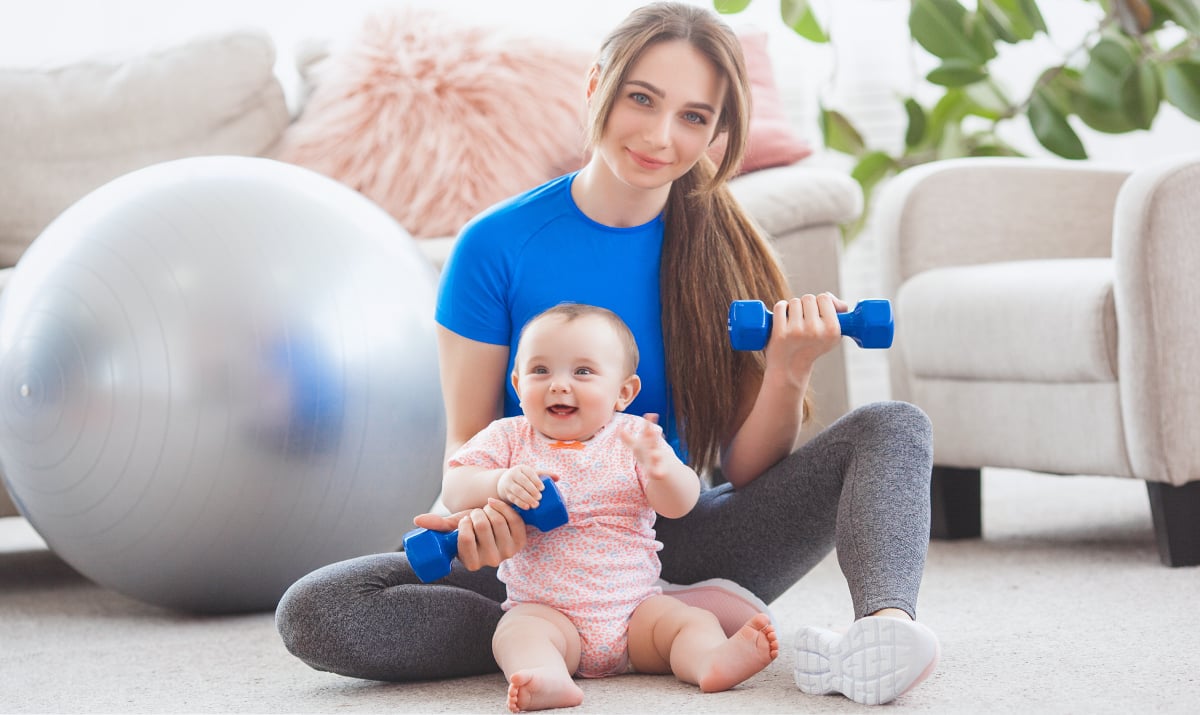
- More exercise to recondition muscles that have been stretched for many months back to normal. It will also prevent pelvic and uterine prolapses. Collective fat throughout the body can also diminish. Thirty minutes of cardio workout and abdominal exercises can recondition the abdomen. This can be done while the baby is asleep or when a caregiver takes over. Just 15 minutes in the morning and 15 more minutes in the evening will do the trick. For moms who had natural birth, exercise can begin within 2 – 3 days after giving birth. If you had a C-section, it is best to wait about 6 weeks after birth before you start exercising. The sooner the better, but heavy lifting and strenuous exercise should be avoided the first month after giving birth.
- More cleansing routine should be followed by moms, dads, and caregivers. If there is any germs or dirt or if hygiene is not kept to high standards, newborns can become sick or develop rashes. In addition, the breast should be cleansed with wet cotton balls before breastfeeding. If you are worried that the breast might be dry and crack, you do not need to do so if you are not sweating. You do not need to scrub or apply lotion, especially around the areola because it might cause clogging.
- Increase breastmilk for the baby by inducing lactation immediately after birth. This can be done by letting the baby latch on every 2 – 3 hours by alternating breasts. Do not give the baby water because they will become full and will not suckle. Avoid giving the baby a bottle while breast feeding because they may develop nipple confusion and prefer the bottle to the breast. Position the baby properly so that they induce lactation, prevent chapped nipples and quicken recovery of mom’s uterus. The baby’s lower lip should be at the base of the nipple all the way up to the nipple itself. They will not suck air from the side of the mouth, thereby preventing colic. During the first few weeks, moms may experience clogged breast duct. This can be caused by low milk flow due to obstruction or improper nursing bras. If you can palpitate a tender lump and redness around the area, simple soft massage can help the milk to flow better. The pressure can open up the clog or a warm compress can also help.
What should be reduced after giving birth to maintain good health?
Moms should reduce the following to maintain good health:
- Reduce Weight. After birth, most moms will experience weight problems. The leading culprits are because you need more nutrients for lactation, taking care of the baby, and fatigue. Your metabolism is also out of whack because you are not getting enough rest. Sleep cycles are thrown off course when you constantly have to wake up in the middle of the night. These all lead to metabolic disorder and weight gain. You may have gained 10 – 15 kg during the pregnancy, 3 – 4 kg of which belong to the baby. After birth, you will lose 5 – 6 kg immediately, but it will be within the first 2 weeks after giving birth and it will not continue to go down so easily. So exercise and choosing the right diet are necessary.
- Reduce stress. Moms need to make adjustments for the new member of your family. There might be some concerns such as how to take care of the baby, how to breastfeed or how to manage daily chores. This leads to stress, which can be managed by relaxation techniques. Build a relaxing atmosphere, do not rush to get things done. Control your breathing or just hold your baby skin to skin. Breastfeed in a comfortable location will reduce your stress level effectively. If you feel you cannot handle the chaos, please seek medical attention immediately so that it does not develop in to postpartum depression.
- Reduce hazardous chemical risks. Your immune system after giving birth is weak. Hormonal changes can bring about allergic reactions more readily than before. You may be able to eat or use certain products before you gave birth, but become intolerant postpartum. Lactating moms should avoid hazardous chemicals because the baby may be exposed to them through breastmilk and develop allergic reactions.
- Reduce visitors. Newborns have just been exposed to the world outside the womb. Their immune system has not fully developed yet. Excessive visits from friends and families may expose them unwanted germs, especially when COVID-19 is still present. It is best to prevent and reduce your baby’s chances of exposure to infections.

Can moms have sex after giving birth?
It is best to refrain from sexual intercourse in the first 6 – 8 weeks after giving birth so that the body can full recover. There are nicks and cuts that need to be healed. Most importantly, it is best to consult a doctor about family planning to prevent new pregnancies from occurring too soon.
How important is health checkup after birth?
Your OB/GYN will schedule a visit within 4 – 6 weeks after giving birth. A complete physical examination will be given to make sure that the uterus and pelvis or the incisions are in good order. Cervical cancer screening test will also be performed. Furthermore, family planning and appropriate birth controls postpartum can be discussed. Most importantly, moms should self-observe for any abnormal condition so that it can be caught and treated as soon as possible.
Perinatologist – maternal-fetal medicine specialist
Dr. Weerawich Pornwattanakrilert, Ob-Gyn specialized in maternal-fetal medicine, Women’s Health Center, Bangkok Hospital.
Click here for appointment!
Hospital Specializing in Maternal-fetal Medicine
Women’s Health Center at Bangkok Hospital provides total care for new moms and their newborn in all aspects from the beginning of pregnancy, giving birth and postpartum by multidisciplinary team of professionals such as wet-nurse, dietitian, physical therapist, and psychiatrists. So, you and your newborn will have a healthy life and move forward with confidence.