
Uterine fibroids are noncancerous growths that develop within the uterus. While many individuals experience no symptoms at all, others may face heavy menstrual bleeding, severe pelvic pressure, or complications that significantly impact their daily lives and future family planning. When conservative medical treatments do not provide sufficient relief, healthcare professionals may recommend surgical intervention. This guide from Bangkok Hospital explores the various aspects of fibroid surgery, offering patients a clear understanding of what to expect as they navigate their treatment journey.
Types of Uterine Fibroid Surgery
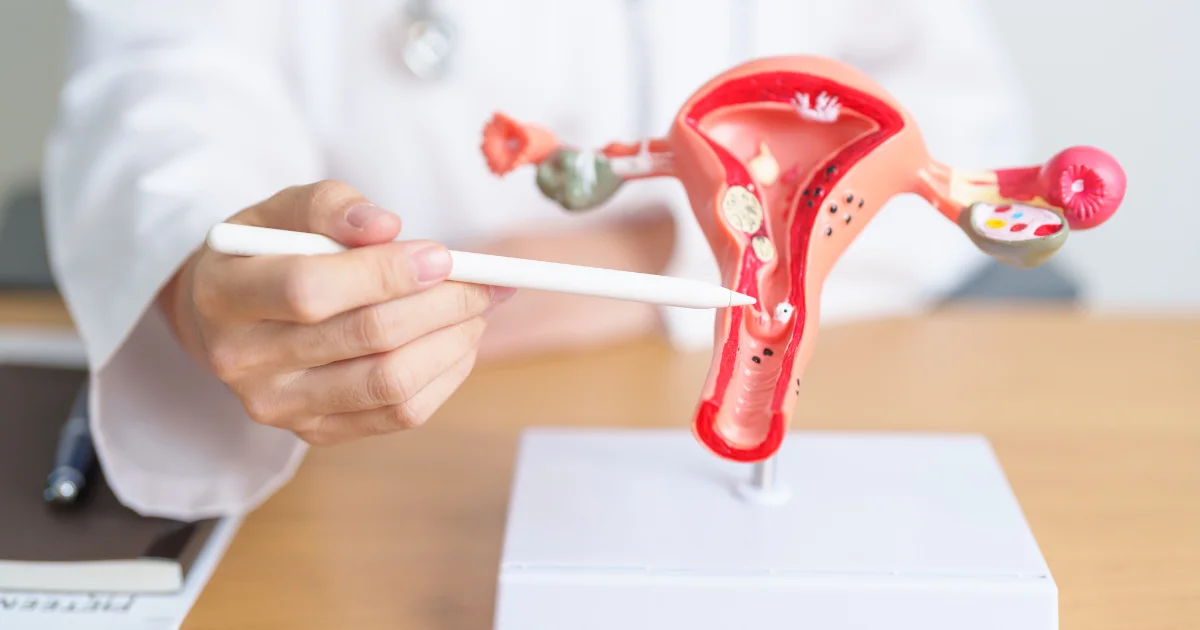
When patients and their healthcare providers decide that intervention is necessary, the choice of surgery for uterine fibroids depends on the size, number, and location of the growths, as well as the patient’s desire for future pregnancies. The main surgical options include:
- Myomectomy: This surgical approach removes only the fibroids while leaving the uterus intact. It is an ideal option for patients who wish to preserve their fertility and have children in the future. However, it is important to note that while existing fibroids are removed, new ones can still develop over time.
- Hysteroscopy: A minimally invasive form of myomectomy used for smaller growths inside the uterine cavity. The surgeon inserts a lighted telescope through the vagina and cervix to extract the tissue without any abdominal incisions, often allowing the patient to go home the same day.
- Laparoscopy: Another minimally invasive technique where surgeons make tiny incisions in the abdomen to insert a camera and specialized tools. This method typically results in less bleeding and a faster recovery compared to traditional open surgery.
- Abdominal Myomectomy (Laparotomy): A traditional open surgery requiring a larger incision in the lower abdomen. This method is generally reserved for extracting very large or numerous growths and requires a short hospital stay with a recovery period of several weeks.
- Hysterectomy: This operation involves the partial or complete removal of the uterus. It is the only guaranteed cure for uterine fibroids and fully resolves all related symptoms. Because the uterus is removed, the patient will permanently lose the ability to carry a child, making it a definitive option for those who do not plan on future pregnancies.
Benefits of Surgical Treatment
The primary goal of any uterine fibroid surgery is to significantly improve the patient’s overall quality of life. Opting for a surgical path can offer several profound advantages:
- Symptom Relief: Surgical procedures successfully reduce or completely resolve debilitating symptoms such as heavy menstrual bleeding, severe pelvic pressure, and frequent urination.
- Restored Quality of Life: By alleviating disruptive and painful symptoms, patients can comfortably regain control over their physical health, exercise routines, and daily activities.
- Fertility Preservation: Depending on the selected operation, such as a myomectomy, individuals can achieve lasting relief from discomfort while successfully maintaining their reproductive capabilities.
- Prevention of Complications: Proactively addressing these growths through surgery can help prevent future complications related to pregnancy, including the risk of miscarriage associated with certain fibroids.
Potential Risks and Considerations
While fibroid surgery is generally safe and highly effective, it is crucial for patients to understand that all medical operations carry inherent risks. Patients should carefully consider the following before making a decision:
- Standard Surgical Complications: As with any operation, there are standard risks involved, which may include excessive bleeding, infection, or the formation of internal scar tissue that can occasionally affect surrounding abdominal organs like the bladder or bowel.
- Recurrence of Growths: For patients who undergo a myomectomy, the procedure is not a permanent cure. There is a possibility that new fibroids may develop within the uterus, potentially requiring additional treatments or a repeat procedure years later.
- Impact on Fertility: Because specific procedures permanently remove the uterus or alter the uterine lining (such as endometrial ablation), patients must have thorough consultations with their medical professionals to weigh the surgical outcomes against their family planning goals.
- Unforeseen Procedural Changes: In rare instances during a less invasive procedure or a myomectomy, unexpected complications may arise that necessitate a complete hysterectomy to ensure the patient’s safety.
Advanced Gynecological Care and Support
Receiving specialized care is vital for a safe surgical experience and a smooth recovery process. The Women’s Health Center, Bangkok Hospital provides specialized obstetric and gynecological care, covering everything from family planning and pregnancy to childbirth and postnatal care, supported by a team of specialists and nurses available 24/7. The center provides advanced screening and treatment for gynecological conditions, including endometriosis, cervical cancer, and uterine fibroids, using state-of-the-art technology to ensure precise and effective outcomes.
For patients looking toward the future, comprehensive maternal and childcare services are offered, from prenatal stages through childhood, featuring cozy and private delivery rooms and postnatal suites. Bangkok Hospital remains dedicated to delivering exceptional medical service tailored entirely to the long-term health and well-being of the patient.
Frequently Asked Questions
1. Will fibroids grow back after surgery?
If a patient undergoes a procedure that preserves the uterus, such as a myomectomy, there is a possibility that entirely new fibroids may develop in the future.
2. Can a patient get pregnant after having fibroids removed?
Yes, procedures that leave the uterus intact often allow for future pregnancies, though patients are typically advised to wait several months to ensure the uterus has fully healed before trying to conceive.
3. How long is the recovery time?
Recovery timelines vary significantly by the type of procedure; minimally invasive surgeries may require only a few days to a couple of weeks of rest, whereas traditional open surgeries can require up to six to eight weeks for complete healing.