



When a patient is diagnosed with end-stage chronic kidney disease, the first thing many people worry about is hemodialysis or peritoneal dialysis, which inevitably takes time and affects daily life. However, today medicine offers a treatment option with good outcomes: pre-emptive kidney transplantation (Pre-emptive Kidney Transplantation), which is surgery to transplant a new kidney before the body reaches the time when renal replacement therapy is required through hemodialysis or peritoneal dialysis.
What is pre-emptive kidney transplantation?
Pre-emptive kidney transplantation (Pre-emptive Kidney Transplantation) is planning kidney transplant surgery early, during the period when the original kidneys are about to lose function (stage 4 kidney disease with a tendency to require dialysis, or stage 5), without waiting until long-term vascular access creation for hemodialysis or preparation for peritoneal dialysis. Pre-emptive kidney transplantation can be performed in patients with chronic kidney disease when eGFR <10 ml/min/1.73m2.

Why pre-emptive kidney transplantation?
Doctors recommend pre-emptive kidney transplantation (Pre-emptive Kidney Transplantation) because it benefits patients in many ways, including:
- Longer new kidney lifespan Kidneys transplanted with this approach often function well and have a longer lifespan, and they have a lower organ failure rate than transplants performed after the patient has already undergone hemodialysis.
- Reduced risk of organ rejection Because the body has not yet been stimulated by the dialysis process or blood transfusions, the immune system responds better to the new kidney.
- No need to face fatigue from dialysis Patients can avoid all impacts of hemodialysis, such as fatigue, dietary and fluid restrictions, and losing several days each week to healthcare facilities.
- Long-term cost savings Public health economics studies in Thailand have found that pre-emptive kidney transplantation from a living related donor provides the best long-term cost savings compared with bearing the cost of lifelong hemodialysis.
- Better quality of life Patients can return to work, study, and live with their family as normal, with greater freedom.
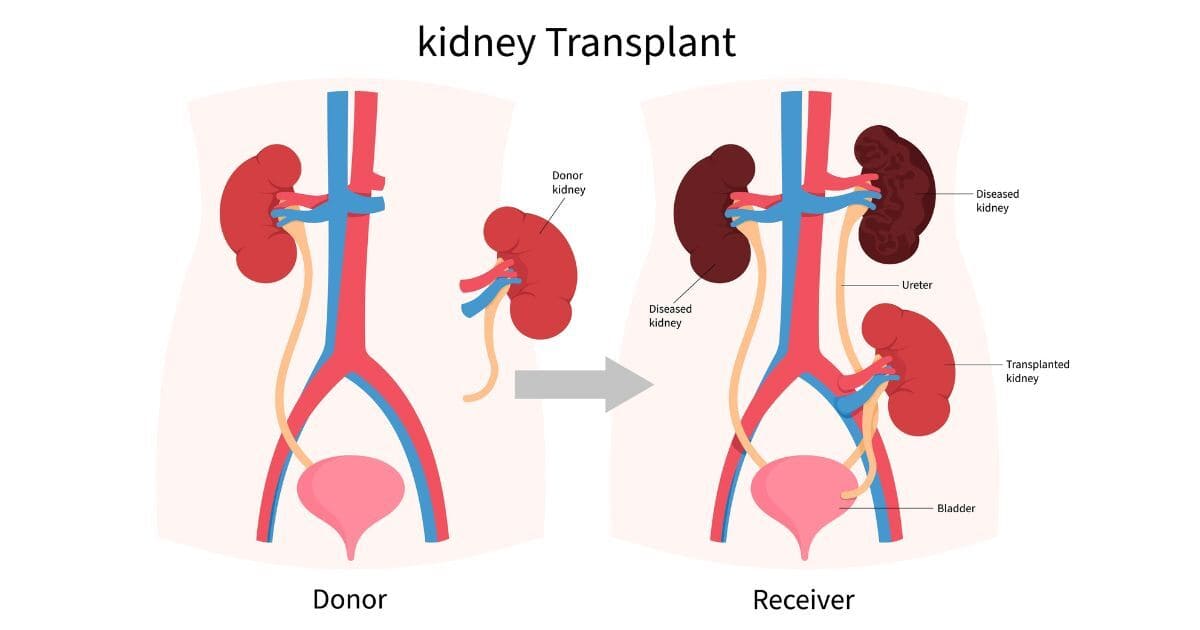
Who can undergo Pre-emptive Kidney Transplantation
Pre-emptive Kidney Transplantation surgery in Thailand uses an organ from a living donor (Living Donor) because kidneys donated from deceased donors through the Thai Red Cross Society are usually allocated only to patients who have already entered the hemodialysis process. The criteria are as follows:
|
Patient (kidney recipient) |
Kidney donor (Living Donor) |
|
Degree of kidney deterioration: Stage 5 kidney disease with a tendency to require dialysis (eGFR < 10 ml/min/1.73m2 or with uremia) |
Kidney adequacy: Kidney filtration rate (eGFR) greater than 90 ml/min/1.73m2, and if protein leakage in the urine is detected, it must not exceed the specified criteria only. |
|
General health: No severe, uncontrolled infection and no cancer (if previously had cancer, must have been cured for 2 – 5 years) |
Health: Physically healthy, no history of kidney disease, diabetes, or hypertension that is difficult to control, and a body mass index (BMI) not exceeding 35 kg/m2 |
|
Physical condition: No severe cardiovascular disease or severe lung disease that poses surgical risk, and no severe psychiatric problems |
Legal relationship: Must be a blood relative (e.g., father, mother, child, siblings) or a spouse with a registered marriage or openly cohabiting for at least 3 years (if there is a biological child together, there is no need to waitครบ 3 years) |
|
(Note: Donating one kidney does not shorten life expectancy. Donors can live a normal life. The buying and selling of organs is strictly illegal.) |
|
How to prepare before surgery
Patients with stage 4 chronic kidney disease or higher should begin consulting an experienced specialist early to find a donor with a relationship that meets the specified criteria, assess health readiness for surgery, and test tissue compatibility between the kidney donor and the kidney recipient.

How to take care of yourself after surgery
- Take immunosuppressive medication Patients must take immunosuppressive medication strictly and on time for life to prevent kidney rejection.
- Sexual health and having children Both male and female patients can have sexual intercourse as normal. For female patients, doctors recommend strict contraception for at least 1 year after surgery. If you wish to have a child, you must consult a doctor in advance to assess readiness and adjust medications to be safe for the fetus.
- Returning to daily life Most patients can return to work or normal daily activities within 4 – 8 weeks after discharge from the hospital.
Risks of pre-emptive kidney transplantation
With pre-emptive kidney transplantation, after receiving the transplant the patient is still considered a kidney disease patient and must take anti-rejection medication for life. These medications may carry risks and side effects, and the patient must be under medical supervision and follow the doctor’s recommendations strictly.
Planning a kidney transplant in advance is an opportunity that can help you return to a brighter life once again.
Don’t wait until the day you need hemodialysis.”
Which hospital is experienced in pre-emptive kidney transplantation?
Kidney Center, Bangkok Hospital is ready to provide diagnosis and care for kidney disease for patients who need pre-emptive kidney transplantation, with experienced specialist physicians, nurses, and a multidisciplinary team, along with modern equipment and technology, to help you return to a good quality of life every day.
Doctors experienced in treating kidney disease
Dr. Irin Jariyayothin Nephrologist and kidney transplant physician, Kidney Center and Dialysis Center, Bangkok Hospital
You can click here to make an appointment yourself.