



Because the kidneys are responsible for expelling waste from the body and balancing minerals and acids normally, if one suffers from chronic kidney disease, not only can it not be cured, but it also requires continuous care due to the gradual deterioration. The rate of deterioration varies for each individual. If the kidneys deteriorate quickly, it can lead to kidney failure, eventually stopping kidney function, which can be life-threatening.
What is Chronic Kidney Disease
Chronic Kidney Disease (Chronic Kidney Disease) is a condition where kidney function gradually declines, leading to increasing deterioration. If the kidneys function abnormally for more than 3 months, it is called chronic kidney disease, with varying degrees of kidney deterioration in each person. Some may deteriorate gradually, others rapidly. The concern is that early stages often show no symptoms, with kidney abnormalities typically detected through blood or urine tests. Therefore, annual health checks are crucial; early detection helps mitigate severity.
Causes of Chronic Kidney Disease
- Diabetes
- High blood pressure
- Obesity
- Kidney inflammation, cysts in the kidneys
- Gout
- Continuous use of painkillers or certain herbal medicines
- Inadequate water intake or fondness for salty foods
- Repeated urinary tract infections

High Blood Pressure and Chronic Kidney Disease
High blood pressure increases pressure in the kidney capillaries that filter urine. The higher the pressure, the more protein leaks into the urine, causing kidney inflammation, heart and blood vessel complications, vascular damage in the body, eventually deteriorating kidney function and leading to chronic kidney failure. Worryingly, many are unaware they have high blood pressure as it often shows no symptoms, only realizing when it’s significantly elevated, showing symptoms such as occipital headache, dizziness, nausea, vomiting, faintness. Monitoring blood pressure is crucial; if systolic pressure exceeds 130 mmHg and diastolic pressure exceeds 80 mmHg, there’s a risk of hypertension, warranting a doctor’s visit.
Diabetes and Chronic Kidney Disease
Diabetes can lead to chronic kidney disease due to prolonged high blood sugar, causing sugar deposits on blood vessel walls, leading to narrowing and blockage, protein leakage into urine, and kidney damage, reducing waste filtration and damaging body nerves. This reduces brain and bladder commands, reducing urine sensation, decreasing bladder contraction, causing urine retention, leading to infections, spreading along urinary tract and damaging kidney tissue. If pressure increases, it can worsen kidney damage to kidney failure.
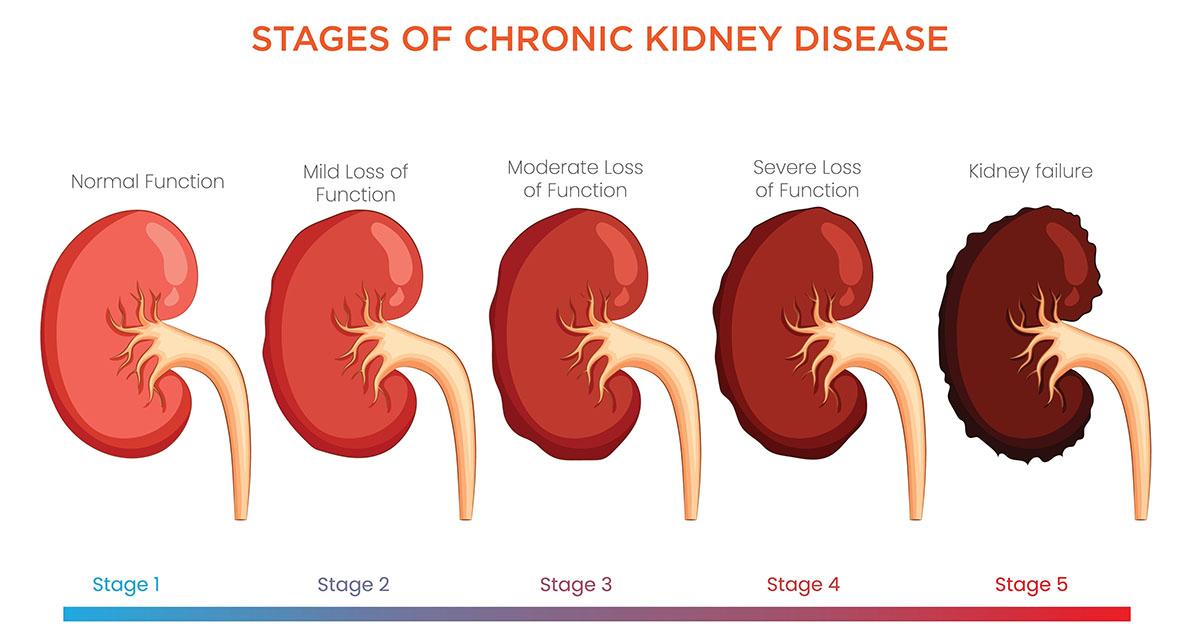
Stages of Chronic Kidney Deterioration
Chronic kidney disease is classified into 5 stages based on kidney filtration rate (GFR) as follows:
- Stage 1 Chronic Kidney Disease: Kidneys function normally, filtration rate (GFR) more than 90 ml/min. Protein leakage in urine or white/red blood cells in urine may appear, usually no symptoms show at this stage.
- Stage 2 Chronic Kidney Disease: Early stage, filtration rate (GFR) 60 – 89 ml/min, kidneys function 60 – 90% , symptoms not very evident yet.
- Stage 3 Chronic Kidney Disease: Moderate stage, filtration rate (GFR) 30 – 59 ml/min, kidneys function 30 – 60% , symptoms like fatigue, swelling, abnormal urination appear.
- Stage 4 Chronic Kidney Disease: Severe stage, filtration rate (GFR) 15 – 29 ml/min, kidneys function 15 – 30% , clear kidney disease symptoms like high blood pressure, increased swelling.
- Stage 5 Chronic Kidney Failure: End stage, filtration rate (GFR) less than 15 ml/min, kidneys function less than 15% . Waste accumulates in blood, showing severe kidney disease symptoms like breathing difficulty, nausea, vomiting, etc.
What are the Symptoms of Chronic Kidney Disease?
In the initial stage, chronic kidney disease may not show symptoms. As deterioration progresses, symptoms worsen and include:
- Abnormal urination: frequent urination at night, less daytime urination, foamy urine, painful urination, blood in urine, burning sensation during urination.
- Swelling on the face, abdomen, feet, especially after waking up in the morning, pressing on the shin leaves a mark.
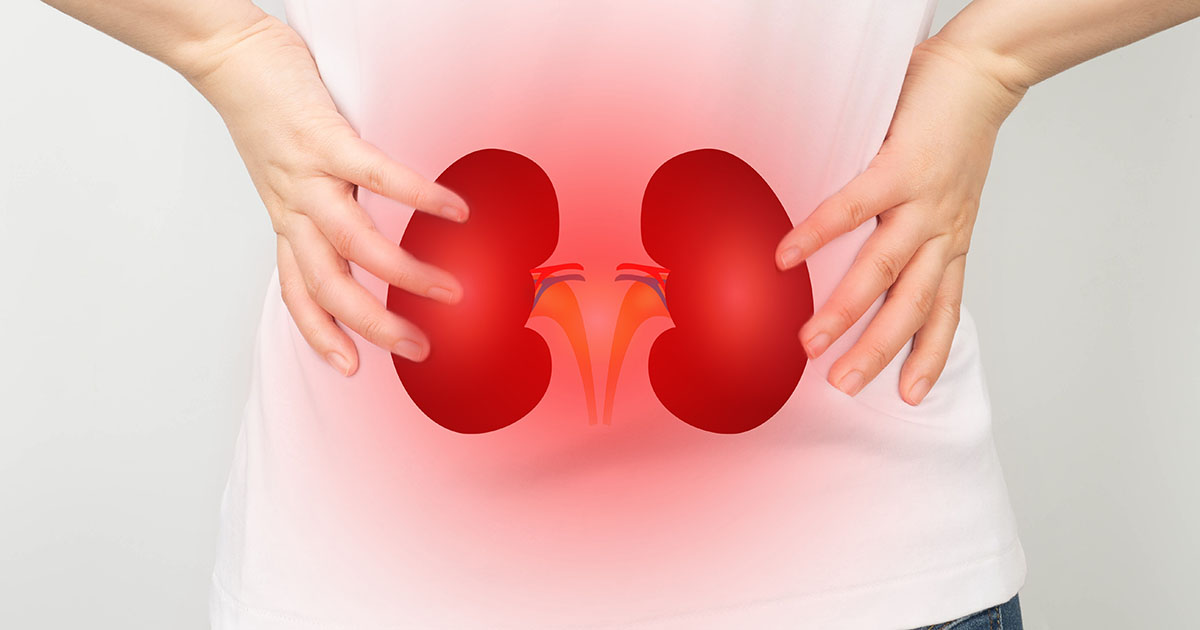
- Back or side kidney pain.
- Nausea, vomiting, loss of appetite.
- Anemia, fatigue, easy tiredness.
- Itchy skin, dry skin, darkened skin.
- Breathing difficulty, chest tightness, especially for those with pulmonary edema.
- Uncontrolled high blood pressure.
- Reduced sexual function.
How is Chronic Kidney Disease Diagnosed?
Diagnosis must be conducted by a specialized physician with expertise, using several methods, including:
- Detailed medical history and physical examination by a nephrologist to assess chronic kidney disease.
- Blood tests to evaluate kidney function and determine efficiency and chronic kidney stage.
- Urine tests to assess protein and red blood cell contamination in urine.
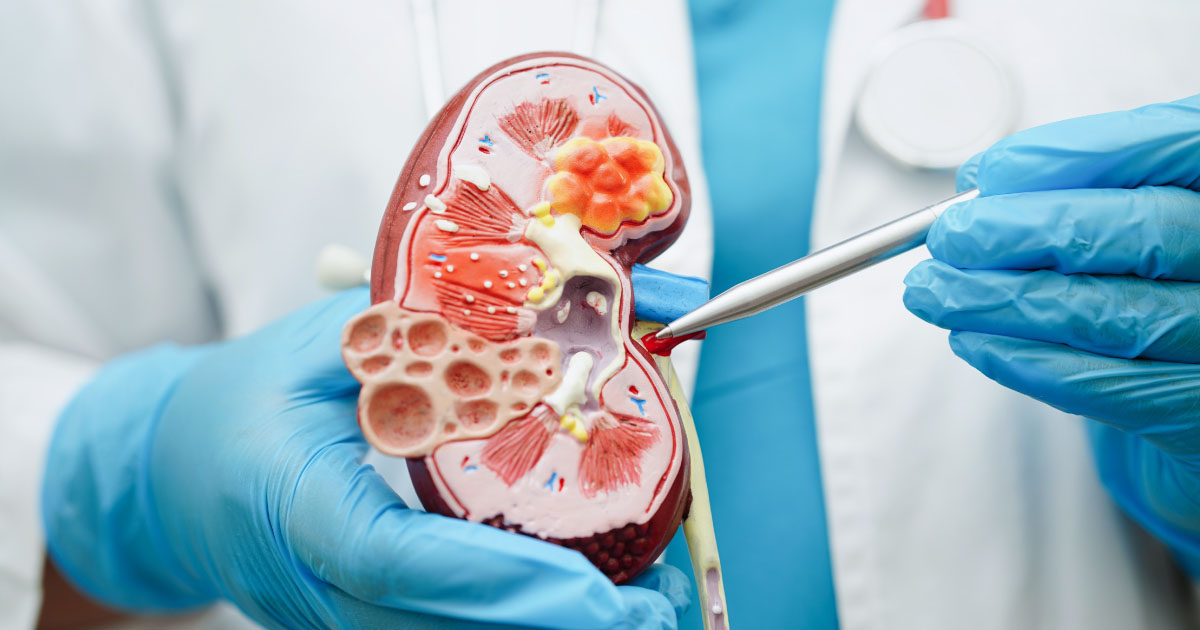
- Kidney ultrasound to consider detailed kidney structures.
- CT Scan to assess the kidney, lumps, tumors, and other kidney lesions.
- Kidney biopsy in severe stages to detail an appropriate treatment plan.
How is Chronic Kidney Disease Treated?
Treatment depends on the cause, stage, severity, and existing comorbidities, including
- Slowing kidney deterioration as per doctor’s recommendation , including behavioral adjustments, reducing salty foods, consuming appropriate protein, controlling underlying diseases, especially diabetes and hypertension, maintaining a healthy weight, quitting smoking, regular exercise, taking prescribed medications like diuretics, blood pressure medication, etc.
- Renal Replacement Therapy (Renal Replacement Therapy) : Treatment for stage 5 chronic kidney patients to eliminate waste as kidneys can’t function. It includes 3 methods:
- Hemodialysis (Hemodialysis) : Blood is routed through a machine to a filter to remove waste, returning filtered blood to the patient, thereby reducing waste levels in the body. Surgical preparation for blood vessels may be required before dialysis.
- Peritoneal Dialysis (Peritoneal Dialysis) : Insert a catheter for dialysis fluid through the abdomen. Upon the set time, discard the dialysis fluid and replace it with a new bag. Currently, automated peritoneal dialysis (APD) is used to minimize the risk of infection.
- Kidney Transplantation (Kidney Transplantation) : Treats end-stage chronic kidney disease by surgically transplanting a compatible kidney from a living or deceased donor with normal cardiac and kidney function to replace the non-functioning kidney. This is the best treatment as kidney replacement therapy helps patients return to a relatively normal life.
How to Prevent Chronic Kidney Disease
- Avoid overly salty, sugary, and fatty foods
- Get 7 – 8 hours of sleep per day
- Drink sufficient water 8 – 10 glasses per day
- Exercise regularly
- Avoid smoking and alcohol
- Manage stress appropriately
- Maintain a healthy weight
- Have annual health checks, once per year
- If showing symptoms or at risk, screen for kidney disease with a specialist immediately
Hospitals Equipped to Treat Chronic Kidney Disease
Kidney Center, Bangkok Hospital, is equipped to diagnose and treat acute kidney failure by specialized physicians, nurses, and a multidisciplinary team with advanced equipment and technology, ensuring kidneys return to normal function, allowing confident living every day.
Doctors Specialized in Treating Acute Kidney Failure
Dr..Manoch Techachokwiwat Nephrologist Kidney Center Bangkok Hospital
You can click here to make an appointment yourself