

Hypoxia, or inadequate oxygen level, can occur to anyone who lives at a high altitude or travels on an airplane. Especially those who have respiratory problems or have recently recovered from a lung disease, they will have higher risks. As the oxygen level decreases, the blood cells cannot deliver the sufficient amount to sustain the tissue level and starve the brain as well as other vital organs of oxygen. So, oxygen deficiency testing before a flight will prompt passengers who are at risk of hypoxia to be better prepared and acquire suitable equipment for the journey.
What is Hypoxia?
Hypoxia is a state in which the body does not receive sufficient supply of oxygen, leading to inadequate amount of oxygen delivery at the tissue level. This has an impact on both the body and brain, causing impairment and a loss of control. More severe symptoms can follow including tachycardia, hyper ventilation, feeling dazed, turning pale, etc.
How many types of hypoxia are there?
There are 4 types of hypoxia. These are:
- Hypoxic Hypoxia – This situation is mostly found when a person climbs to a high altitude where the air is thinner; or is holding a breath; or is suffering from an asthma attack, or pneumonia, or a pneumothorax condition, etc.
- Hypemic Hypoxia – Examples of this condition include anemia, hemorrhage, hemoglobin abnormalities, etc.
- Stagnant Hypoxia – This occurs when blood circulation is restricted because of, for example, decreased volume of blood flow due to heart failure, etc.
- Histotoxic Hypoxia – This is when the body has absorbed some type of toxins such as carbon monoxide, cyanide, alcohol, etc.
People who are at risk of hypoxia
- People who have respiratory disorder or problems with their respiratory system.
- People who have recently recovered from a lung disease.
What are the symptoms of hypoxia?
When a person is suffering from hypoxia, below are the observable symptoms:
- Pale or bluish skin
- Coughs, nausea, vomiting, unusually rapid heartbeats
- Inactivity, dizziness, headache
- Overly sweating, flashes of hot and cold, numbness in hands and feet
- Rapid or difficulty breathing, wheezing
- Restlessness, anxiety
- Blurred vision, confusion, being in a daze
- Reduced alertness, non-responsive to external stimuli. If left unattended, the condition can lead to delirium, seizure, loss of consciousness, and possibly a coma or maybe even death.
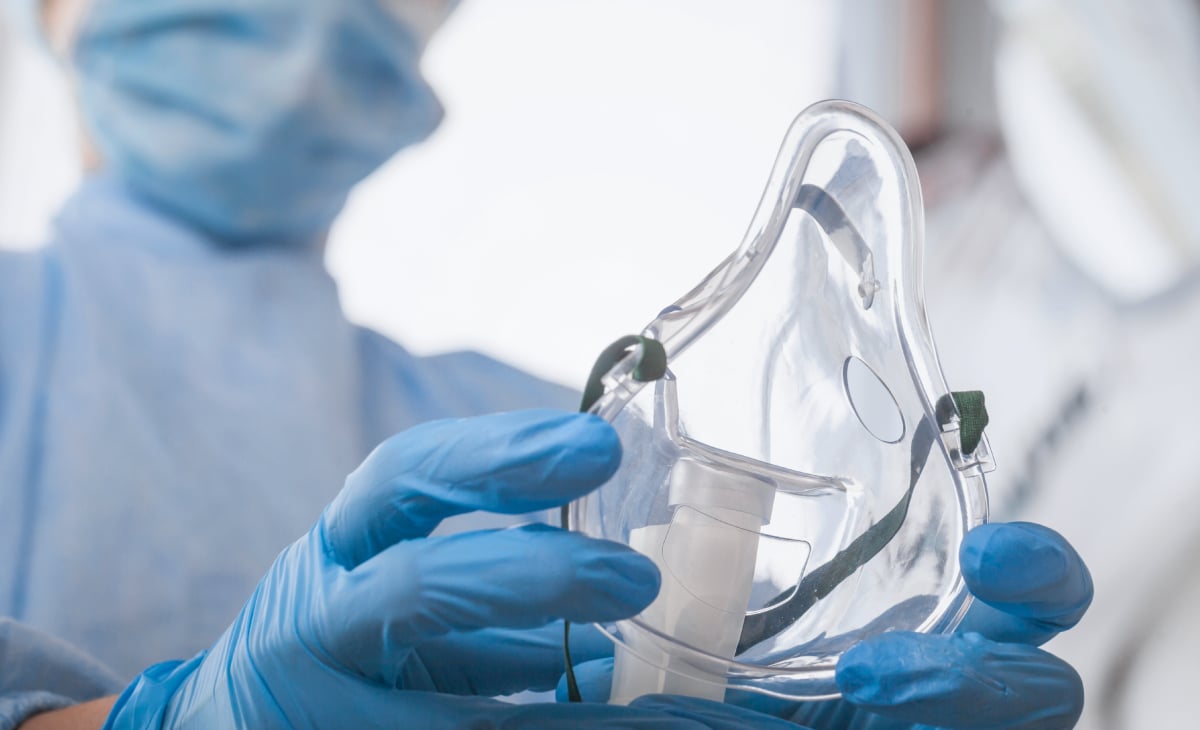
WHAT IS HYPOXIC CHALLENGE TEST?
Hypoxic Challenge Test is a simulation test that is conducted in a laboratory fashioned as a passenger compartment of airplane, in which the oxygen concentration is lower than normal at the sea level. The test utilizes a Reduced Oxygen Breathing Device (ROBD) that mixes oxygen and nitrogen with the regular air in different proportions according to the various altitudes, simulating conditions of an airplane’s compartment up to a maximum of 8,000 feet. Those undergoing the test will receive a medical history check as well as a physical examination that includes oxygen saturation measurement, and evaluation of their respiratory system along with general health condition in accordance with internationally recognized standards.
HOW TO PREPARE FOR A HYPOXIC CHALLENGE TEST
To prepare for a Hypoxic Challenge Test, you need to get your body in shape by doing the following: avoid alcoholic beverages, stop smoking cigarettes or using other tobacco products; avoid activities that risk contracting a respiratory illness or other types of infection; refrain from heavy exercises; and obtain at least 8 hours of restful sleep. If you have a chronic disease, you may take your regular medication as usual. You should have a meal at least 30 minutes before the test, but do not overeat. 24 hours after the test, if you notice a side-effect, you should notify your doctor immediately.
HOW TO PREVENT HYPOXIA
For someone who is at risk of hypoxia and has to travel by air, or if you are concerned about respiratory issues on an airplane, a Hypoxic Challenge Test is recommended; to assess your health and readiness under such a situation. You will learn to recognize the symptoms of hypoxia and be able to obtain appropriate equipment for your trip, to mitigate the risk.
Doctor specializes in HYPOXIC CHALLENGE TEST
Dr. Tawatchai Limsatabodee, Preventive Medicine Specialist – Aviation Medicine, Civil Aeromedical Center, Bangkok Hospital
Click here to make appointment
Hospital specializes in HYPOXIC CHALLENGE TEST
Civil Aeromedical Center, Bangkok Hospital is well-qualified to administer Hypoxic Challenge Test by Aviation Medicine Specialists who are certified by Civil Aviation Authority of Thailand (CAAT), along with a team of experienced multidisciplinary medical professionals and state-of-the-art equipment, to reassure your confidence for every flight.