.jpeg)
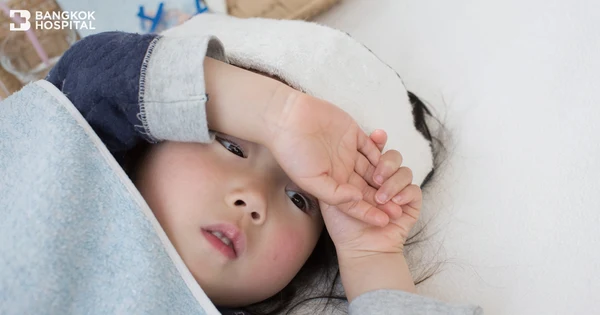

It’s not unusual for children to frequently catch colds, as they can get them several times a year. Most often, they recover on their own within 1 – 2 weeks. Therefore, caring is important and something that parents and guardians should be knowledgeable about and pay attention to, in order to alleviate the symptoms for the little one
Adjust the Room Temperature
Parents or guardians should adjust the air in the house, playroom, and bedroom to be warmer or turn off the air conditioning. If the child feels hot, change them into appropriate clothes, but if using a fan, it’s recommended to have it oscillate.
Drink Warm Water
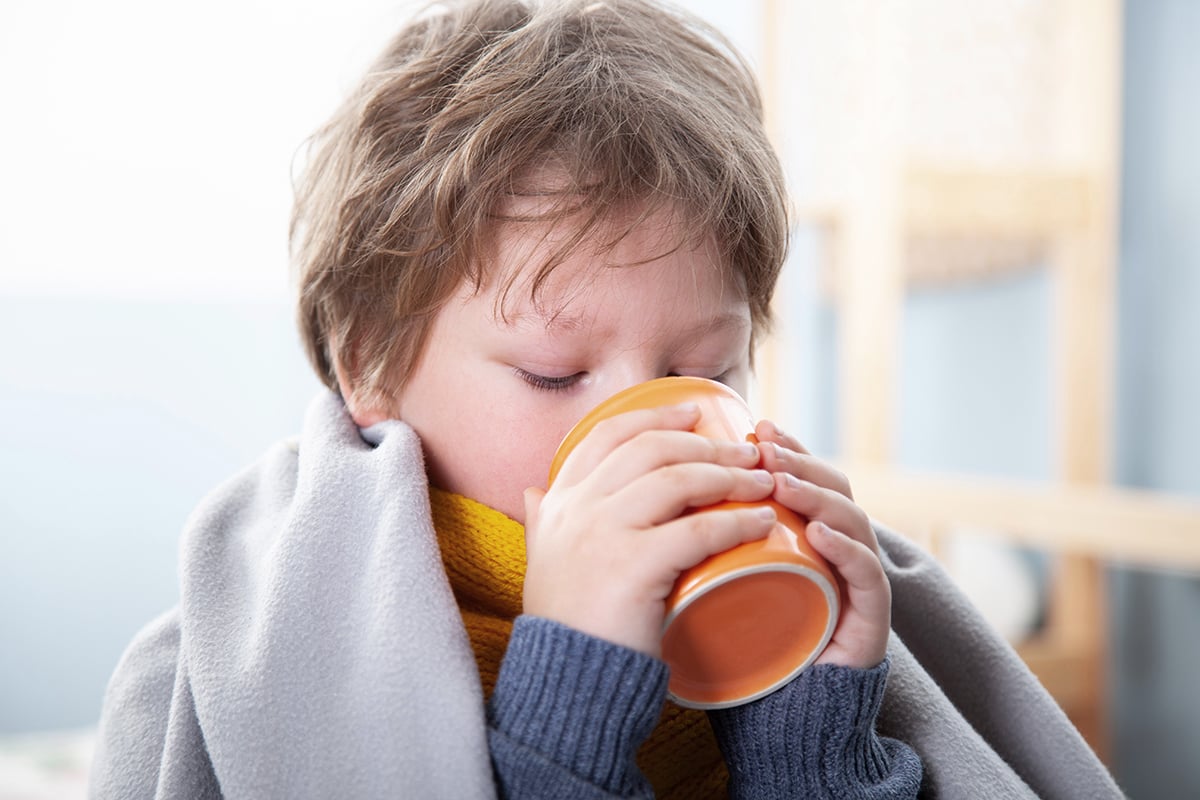
Children should regularly drink slightly warm water or water at room temperature to help alleviate fever and cough.
Eat Soft, Freshly Cooked Food
It’s recommended for the little one to eat soft, freshly cooked food to ease digestion. Sometimes, when children have a cold, they might experience nausea, vomiting, and diarrhea. Eating soft, freshly cooked food can help take care of their body.
Avoid Foods That Trigger Coughing
Try to avoid fatty foods, dry crunchy foods, and cold foods or drinks, as they can trigger more coughing in children.
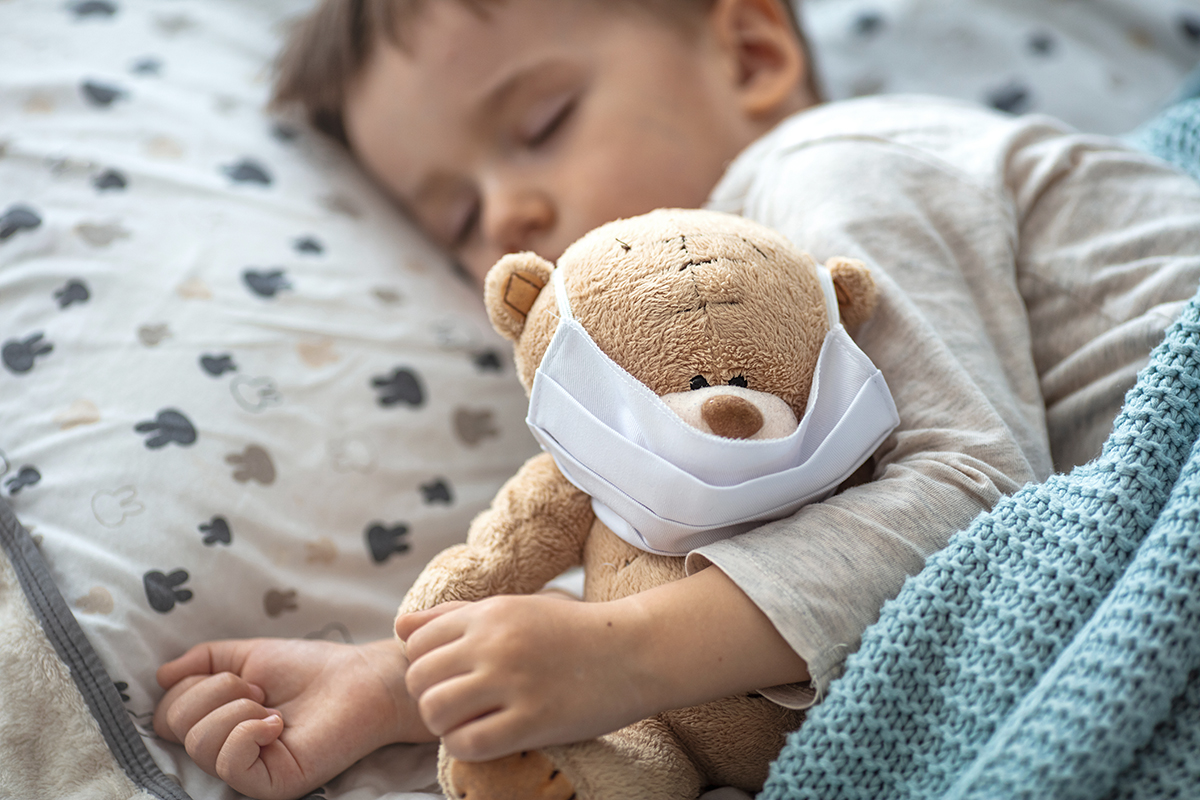
Sleeping Positions to HelpReduceNasal Congestion
If the child experiences nasal congestion, small children might be positioned to sleep on their side, while older children are recommended to have their pillows elevated.
Avoid Activities That Induce Coughing
Activities that might lead to more coughing, such as talking loudly, noisy environments, or physical exercise, should be avoided until fully recovered.
Rinse the Nose with Saline Solution
If children have a lot of mucus, parents or guardians should rinse their noses with saline solution (0.9% NSS). If there is still a lot of mucus after rinsing, consider using medicine as necessary. Be cautious of medicines that could make the mucus too dry or thicken the phlegm, which could increase coughing .
Minor Cough Doesn’t Require Medication
In cases of a minor cough, it’s not recommended to use cough suppressant medicine. Children should drink water frequently, sipping on warm water. If older children have thick phlegm, expectorant medicine may be given. It is not recommended to self-administer bronchodilator medication to treat cough without an indication.
Reduce Fever in the Little One
A tip for reducing fever in children is to make sure they drink enough water to urinate frequently, and to wipe down the body when feverish. If the fever is high, take fever-reducing medicine along with wiping down the body.
Do Not Use Antibiotics
It’s not recommended for parents or guardians to use antibiotics for killing bacteria by themselves since colds are caused by viruses. Besides being of no benefit, it can also cause diarrhea in children and increase the risk of antibiotic resistance in the future .
See a Doctor Immediately if the Fever Doesn’t Go Away
If a child’s fever persists for more than 3 – 4 consecutive days without improvement, coughing intensifies, or there is difficulty breathing, seek medical attention immediately for urgent treatment.
Even though colds in children are common, parents and guardians should not be complacent. If symptoms do not improve, it is necessary to take them to the hospital immediately and don’t forget to take care of the little one’s health by ensuring they receive vaccinations as recommended by the doctor.