



When the nose is broken due to an accident, besides the pain, swelling, and difficulty in breathing, it may cause the nose to deform and lead to various complications. Surgery to correct abnormalities and take care of aesthetics in the facial and nasal area is therefore important, especially reconstructive surgery that helps patients return to a normal life and regain confidence.
What is the difference between cosmetic surgery and reconstructive surgery for accident victims?
In principle, there may not be much difference because the goal of reconstructive surgery is to give patients a normal body (Form) and normal function (Function). If the nose looks beautiful but cannot breathe well, it may cause problems just like a nose that breathes well but is deformed.
How important is reconstructive surgery in caring for facial accident patients?
Facial injuries are more important than injuries in other areas because the face is something that people place great importance on. Since appearance affects personality and confidence, accident victims should be evaluated and treated by a specialized plastic surgeon who is concerned with appearance, which affects long-term personality and daily life of the accident victim.
The care of accident patients by plastic surgeons should proceed alongside care from specialists in other departments to prevent tissue damage that may create scars and adhesions that will cause long-term problems. Stitching is not just to close the wound or stop the bleeding but also requires trimming the edges to be smooth, making the wound as clean as possible, and stitching closed with the appropriate thread and tools by a skilled surgeon suited for that task.
How to assess facial and nasal accident patients
Assessing facial and nasal accident patients is similar to injuries in other areas. The urgency and severity of injuries must be prioritized. What’s added is managing wounds or injuries to organs in certain locations that need urgent, correct, and quick intervention.
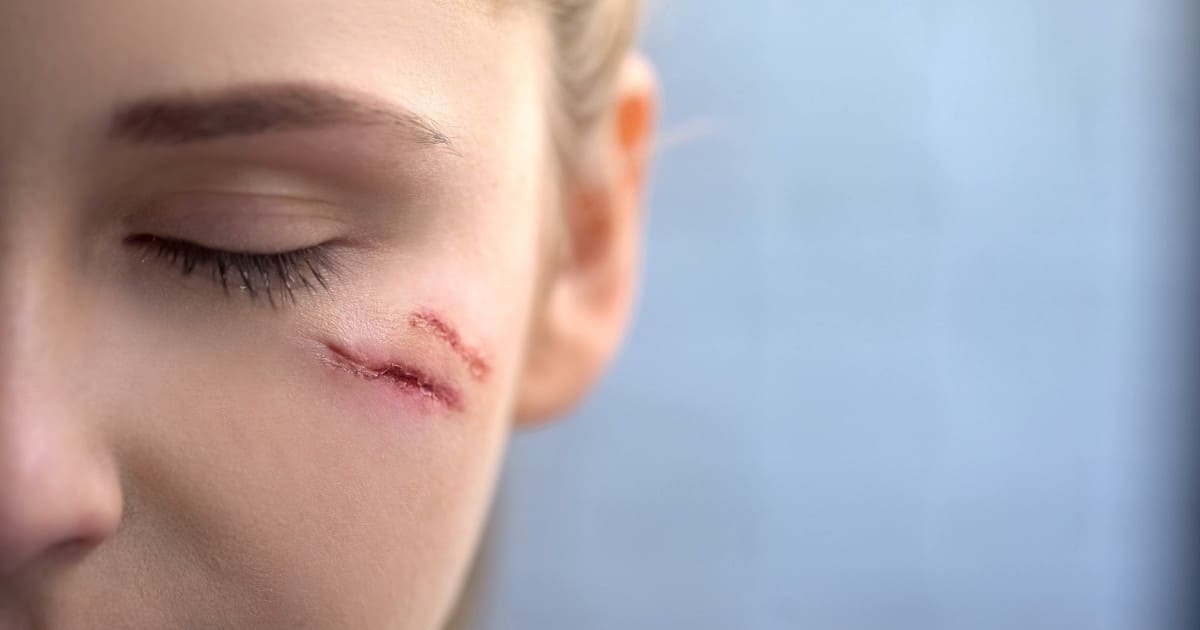
In terms of facial wounds that need special care, it is about making the scar or deformity as minimal as possible. Cleaning the wound, removing dirt and foreign objects, converting dirty wounds to clean ones, and trimming any ragged dead tissue to leave only good tissue that won’t form scars can be done by a specialized reconstructive surgeon.
For those with nasal injuries, consideration must be given to bones that may fracture, dislocate, or collapse, as well as hematomas which may compress the airways. Misaligned bones should be adjusted to the normal position. If there’s a hematoma in the septum, it should be drained and bleeding stopped. In some cases, the surgeon will pack inside the nasal cavity to temporarily stop bleeding. Trimming of potentially necrotic tissue should be precise, not removing too much good tissue, and avoiding leaving bruised tissue that could become more scarred. Determining which tissue can recover and which should be removed requires a highly experienced surgeon.
How is nasal surgery from an accident performed?
The common problem is nasal bridge fracture. Management involves pain relief, then using tools to reposition the bones. If there’s complexity in the fracture or collapse, metal plates and screws may be needed.
Does someone who had a prior rhinoplasty have more risks in case of an accident compared to a normal nose?
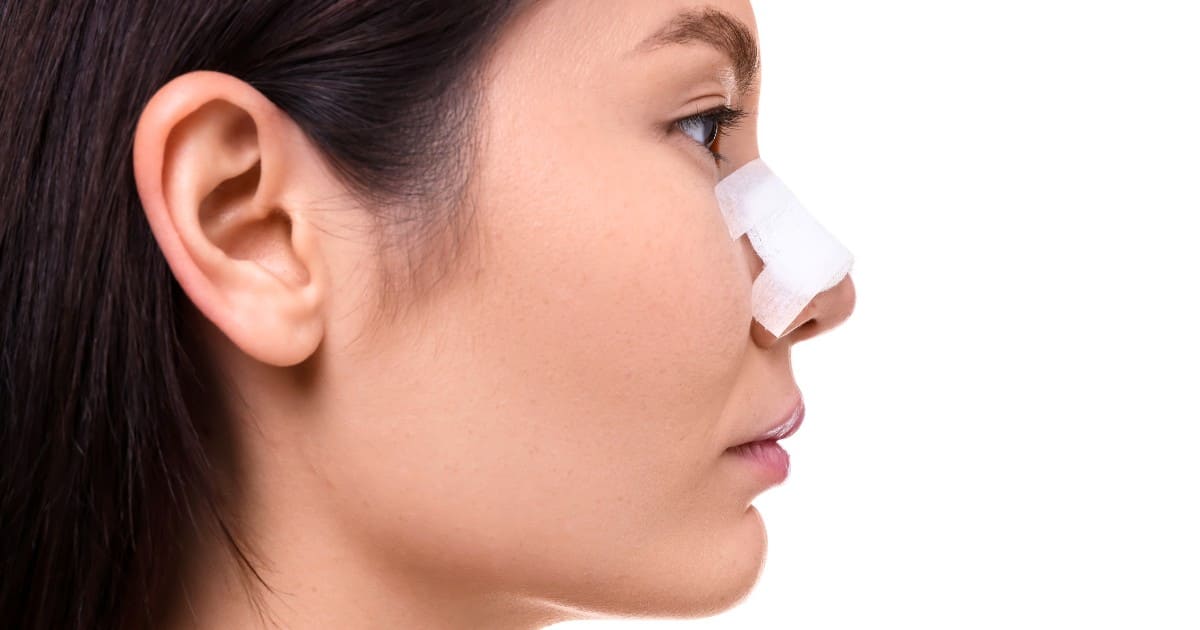
If the patient previously had rhinoplasty, the silicone inside the nose may become infected if the wound tears and bacteria contact the silicone. Therefore, when the skin of the nose or mucosa (observed from nosebleed) tears, a thorough examination by a reconstructive surgeon is required to ensure whether the silicone is at risk of infection. If the tear is minor and not seriously contaminated, the silicone may not need to be removed. However, if the risk is high, it may be necessary to remove it, especially if the injury happened many days before seeing a doctor.
How can facial accident wounds be repaired?
Facial accident wounds should be managed cleanly under appropriate anesthesia, which may involve local anesthesia or general anesthesia. Once the patient is no longer in pain, the wound should be trimmed and blood stopped using suitable tools. The sutures and tools used should be small and highly detailed. In some cases, the surgeon may use a microscope to enhance precision.
What is skin grafting?
When the skin is extensively damaged, stitching cannot be done due to the large distance that normal skin must be pulled together, risking excessive tension, wound separation, infection, and necrosis. Therefore, skin grafting from other normal areas may be necessary to replace the missing skin.
What is important about skin grafting in the facial area?
The graft site must be clean and sterile, and the skin used should have a color and thickness similar to the graft site. The surgery must be gentle and precise since even a little blood pooling under the relocated skin can lead to graft failure.
How important is reconstructive surgery in caring for accident victims?
Common facial accidents include head wounds and facial lacerations. If treated by an expert reconstructive surgeon, aside from effectively stopping the bleeding, the surgeon will meticulously repair the wound to reduce long-term scarring, enabling the patient to have a good quality of life in the long term.
Experienced reconstructive surgeons
Dr..Suparerk Kamolvat Reconstructive Surgeon Bangkok Hospital Plastic Surgery Center
You can click here to make an appointment yourself
Hospitals specializing in reconstructive surgery
Bangkok Hospital Plastic Surgery Center is ready to perform surgery to care for accident patients, those with facial wounds, congenital disabilities, or burn injuries, as well as cosmetic surgery in desired areas. The center has specialized plastic surgeons, nurses, and a multidisciplinary team, equipped with modern tools and technology to help restore confidence in their lives.