
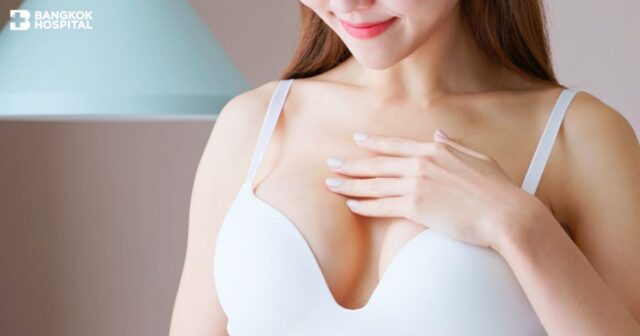

Currently, more than 10 million people worldwide have undergone breast augmentation surgery according to 2018 statistics from the American Society of Plastic Surgeons (ASPS). Breast augmentation surgery remains the most popular cosmetic surgery procedure, ranking as #1 with over 300,000 individuals undergoing the procedure. In Thailand, data from the International Society for Aesthetic Plastic Surgery (ISAPS) reports approximately 14,000 breast augmentations recorded, though it is expected that the actual total could exceed 20,000 annually.
What is Breast Augmentation?
Currently, breast augmentation surgery is divided into 2 types, which can be done either individually or together at the same time, consisting of:
- Breast Augmentation with Implants (Breast Implant Augmentation)
- Breast Augmentation with Fat Transfer (Fat Transfer Augmentation) is a method that is gaining popularity because it uses the patient’s own tissue, without foreign objects, offering a natural appearance. However, there are several limitations, including the need for additional surgery for liposuction, which requires specific equipment, and the varying stability of injected fat in different individuals.
What are the Types of Breast Implants?
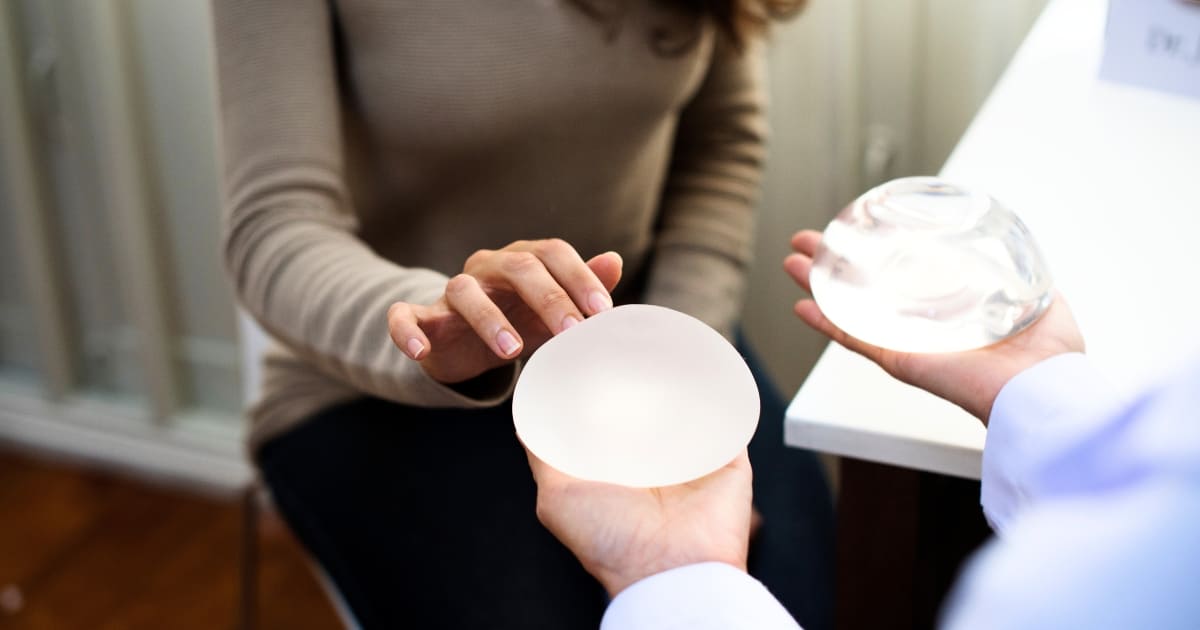
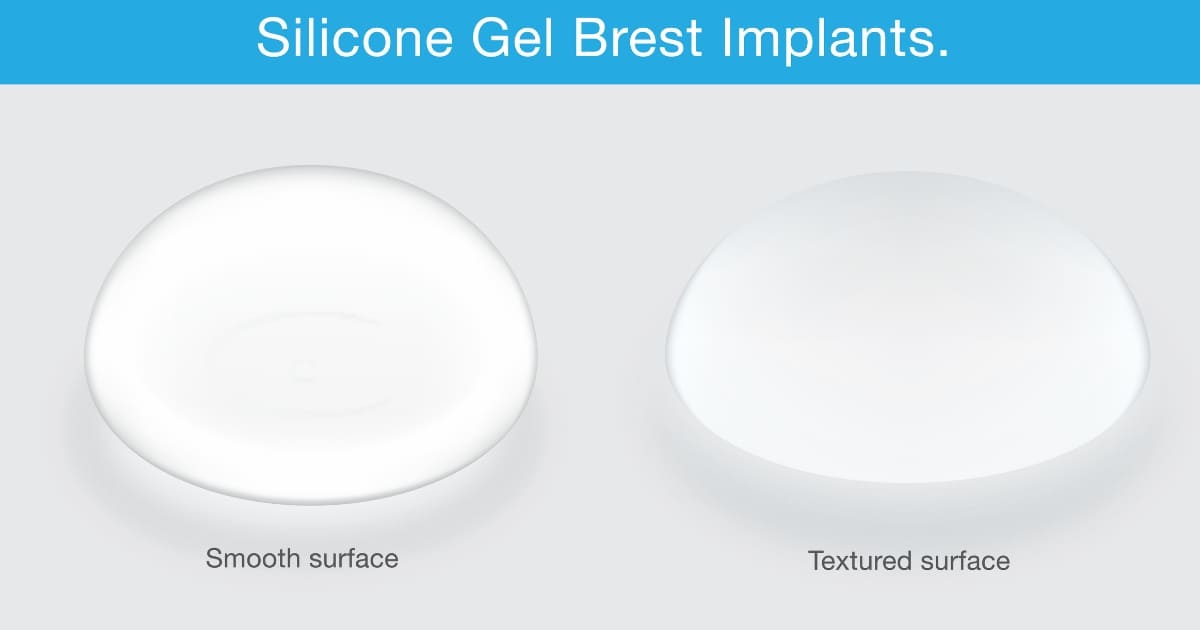
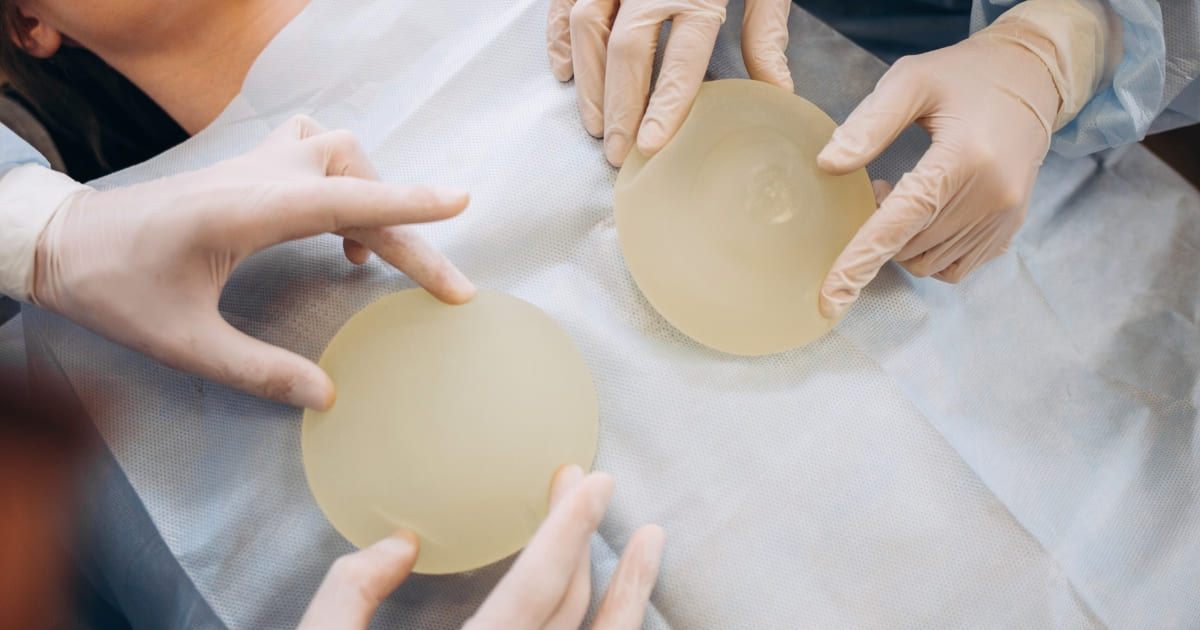
The breast implants used today are almost entirely silicone gel (Silicone Gel) with an outer silicone shell and an inner gel. They are fundamentally round but differ in dimensions and texture.
The outer silicone surface has 2 types:
- Textured silicone surface (Textured)
- Smooth silicone surface (Smooth)
Additionally, there are various shapes to choose from, such as round (Round) and teardrop shapes (Teardrop) , including various sizes and levels of projection.
How Long Do Breast Implants Last?
Modern breast implants are of high quality and durability, so there is no need to replace them every 5 years or 10 years. Textured implants (Textured Implant) that are quite popular in Thailand have been found to reduce the risk of capsular contracture and have a surface that adheres well, making them suitable for some types of breast implants, such as teardrop shapes, which require good adhesion to prevent turning or rotating. Different brands vary in texture, from rough (Macrotexture) to fine (Micro – Nano Texture) , so it’s crucial to choose the appropriate textured implant under the guidance of a surgeon and to maintain regular breast examinations.
How to Choose the Right Implant
Choosing the appropriate implant depends on several factors as each person’s body structure varies. Surgeons use this information to analyze and recommend the suitable type and size of the implant, such as:
- Height and width of the torso
- Nature of the existing breast tissue, such as sagging, skin, and fat thickness in the breast area
- Personal preference: Some prefer a protruding and firm shape, while others prefer a more natural softness
How is Breast Augmentation Performed?
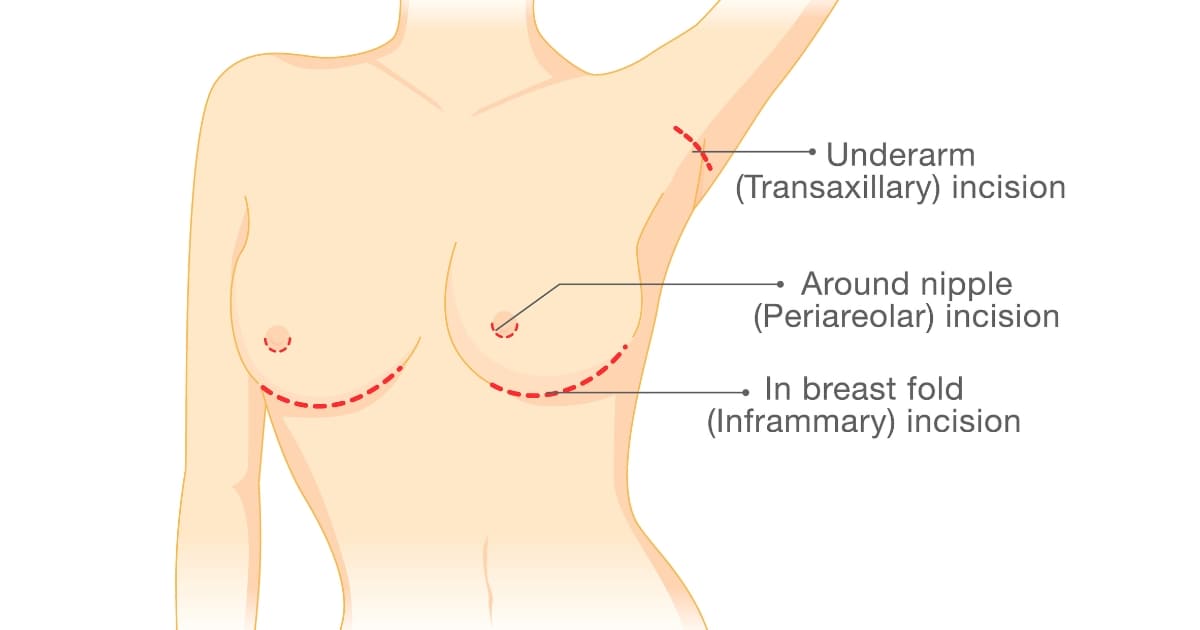
Breast augmentation can involve choosing an incision site for inserting the implant, such as:
- Inframammary (under the breast) incisions allow accurate positioning, minimal blood loss, and quick recovery. They also serve as the primary incision for revision or implant replacement
- Transaxillary (underarm) or Periareolar (around the nipple) incisions are more challenging, resulting in more bruising and bleeding, and longer recovery time
What is the Implant Placement Site?
The implant placement site is generally under the muscle, over the muscle, sub-glandular or sub-muscular, or under the breast tissue. The surgeon will recommend the most suitable position for each individual, considering several factors, such as:
- Thickness of the breast tissue
- Sagging of the breast
- Shape of the chest
How to Prepare for Breast Augmentation
Preparation before breast augmentation surgery includes:
- Physical examination
- Blood tests
- Chest X-ray
- Electrocardiogram as needed
- Fasting for at least 6 hours before surgery
- Stopping certain medications before surgery, such as blood thinners like aspirin, vitamins, and herbal supplements
- Cease smoking and alcohol consumption 4 weeks before surgery
What is the Breast Augmentation Process?
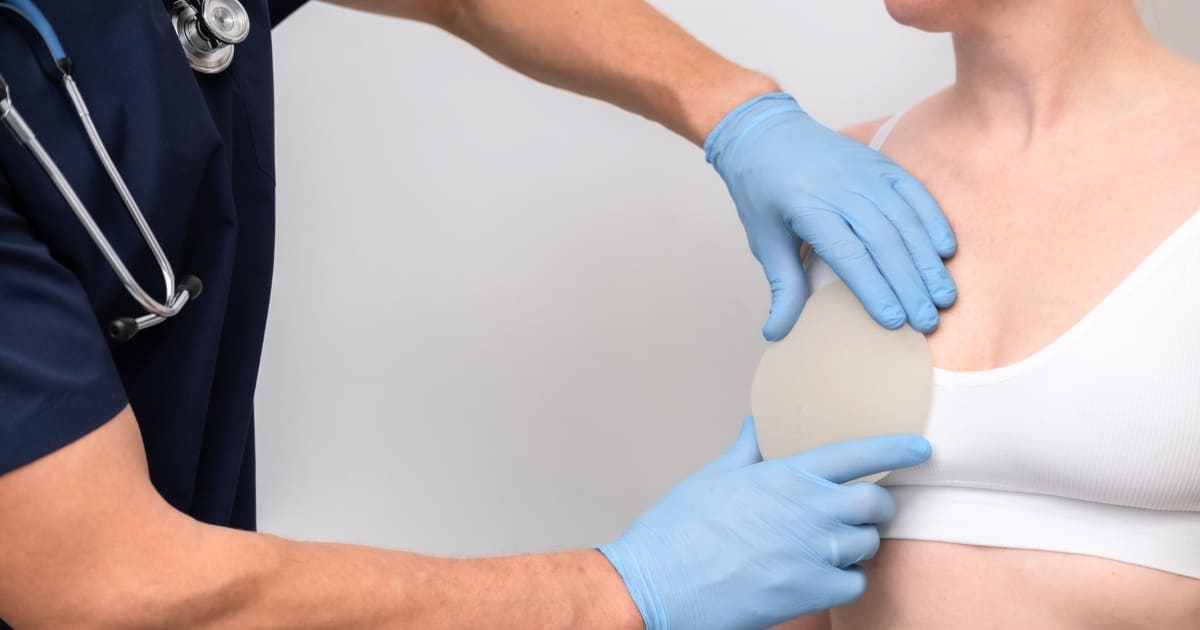
The breast augmentation process consists of several steps, including:
- Anesthesiologist provides general anesthesia before surgery
- The surgeon performs the planned procedure, creating a pocket for the implant, inserting the implant, and closing the incision
- The breast augmentation surgery typically takes about 1.5 – 2 hours
Possible Complications After Breast Augmentation
Potential complications or side effects following breast augmentation include:
- Pain
- Swelling
- High fever
- Inflammation and infection
- Fluid or blood leakage from the incision
- Palpable lump in the chest
- Side effects of anesthesia or pain medication, such as nausea and vomiting
- Long-term side effects from silicone breast augmentation, including capsular contracture, implant displacement, sagging, or deformities like hardness, misshapen form, or implant rupture
How to Care After Breast Augmentation
Post-breast augmentation care includes:
- Incision care – In the first week, showering is allowed as a waterproof film will be applied, but avoid submerging in water or swimming. Afterwards, your doctor will advise on using scar treatment creams or silicone sheets once healing is confirmed
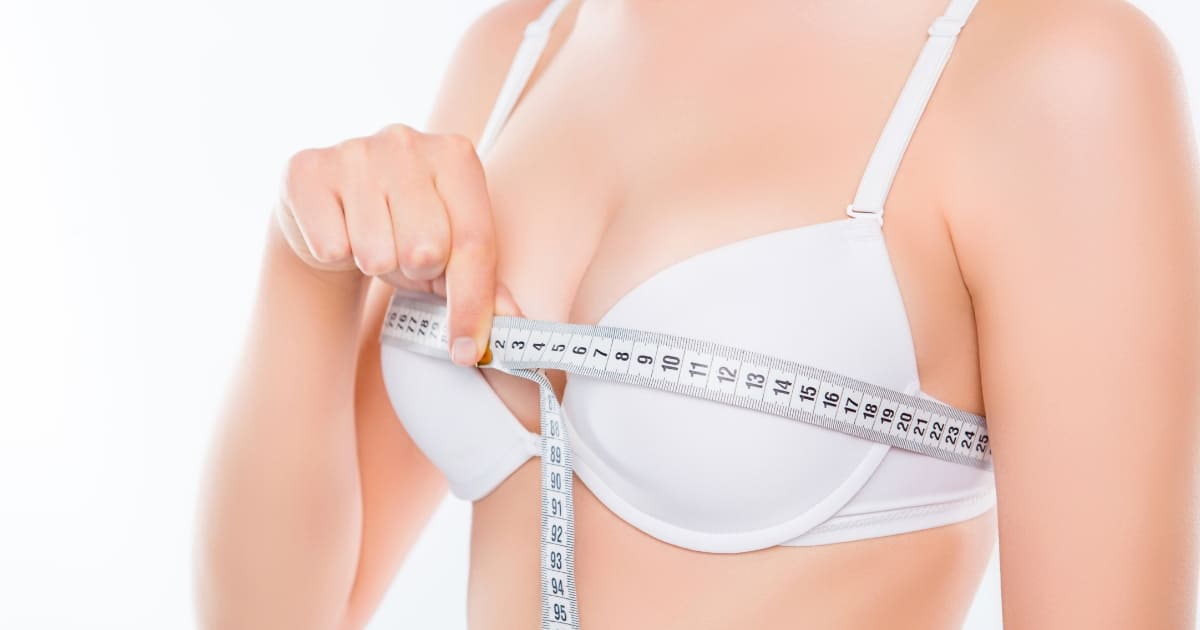
- Breast care after implant insertion – It’s recommended to wear a non-wired bra for at least 1 month, avoid pressure or impact on the breasts, and refrain from arm-intensive exercises during the first month
- Other care – Avoid smoking and alcohol consumption, as well as pickled foods, for at least 2 weeks post-surgery
- Long-term care – Regular self-examination of the breasts and scheduled mammograms
What is Breast Revision Surgery?
Individuals who have had breast augmentation may require revision surgery in the short or long term due to various reasons such as:
- Complications like inflammation, infection, or bleeding
- Capsular contracture
- Implant rupture (Implant Rupture) which is now very rare
- Desire to change implant size or shape
How to Choose a Natural-Looking Implant
Currently, all silicone implants have a smooth surface. Choosing a natural-looking implant depends on a size that’s not too large, appropriate for height, body shape, and torso width. If choosing a high-profile or protruding design, the body will have more contour, but with less natural appearance. The silicone type also matters; a firmer silicone feels tight or evidently visible, while a softer one or one that feels like real breast tissue will appear more natural.
Which Breast Augmentation is Suitable for Those with Larger Breast Tissue?
For those with significant breast tissue, the suitable method is placing the implant under the breast for a natural look, as there is no muscle stiffness to obscure and it doesn’t affect the movement of the implant. The position remains relatively stable and has a natural feel.
Which Breast Augmentation is Suitable for Those with Smaller Breast Tissue?
For those with less breast tissue or very slim build, placing the implant under the muscle is appropriate because the muscle helps conceal the edges and folds of the implant, unlike placing it under the breast, which risks the visibility of transitions, edges, and folds, thus it’s advisable to place it under the muscle.
What to Do If the Implant Ruptures?
Implant rupture is extremely rare due to advanced technology, but if it occurs, noticeable symptoms include a change in breast shape, hardness, or significant asymmetry between the breasts. The solution involves surgery to remove the old implant and replace it with a new one. The process varies; some cases may require both the implant and scar tissue removal before inserting a new implant, while others simply change the size without removing all the scar tissue.
What is Breast Lift Surgery?
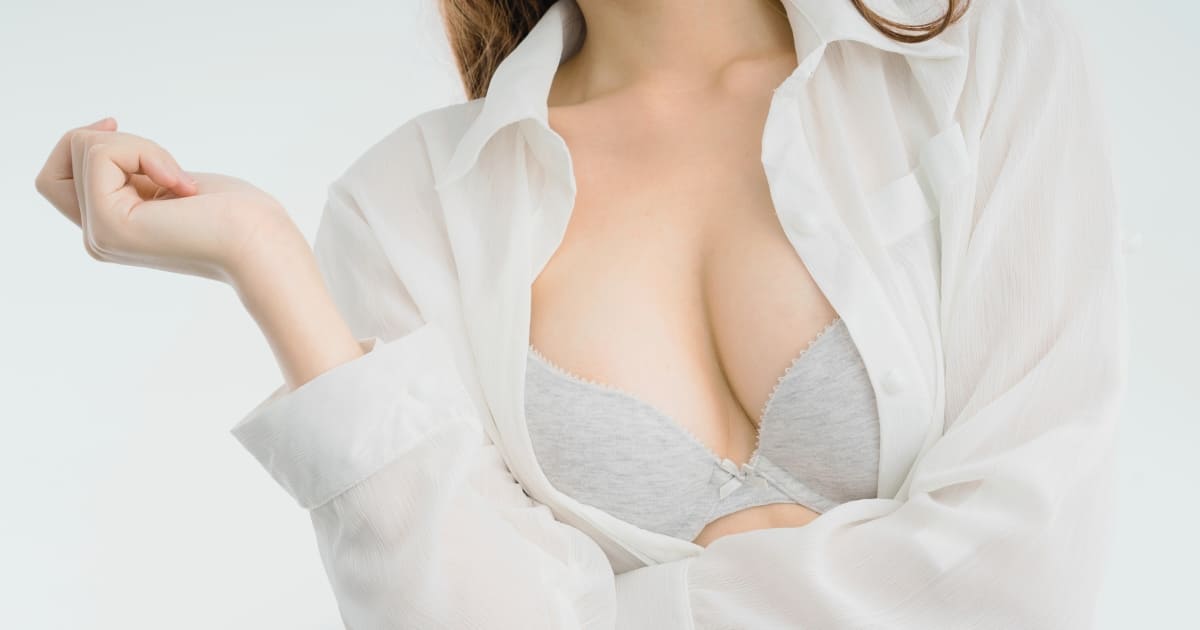
The breast lift involves tightening the skin and breast tissue to address sagging, making the breast firmer both externally and internally. The treatment technique depends on the external skin’s tightness; if there’s significant sagging, more tissue may need to be removed. Any breast surgery can affect sensation, particularly a breast lift, which may result in considerable sensation loss.
How Does Age Correlate with Breast Augmentation?
The characteristics of breasts vary with age. Augmentation at a younger age, or before having children, enables quicker recovery, firmer breasts, slower sagging, but a higher initial tightness, taking some time to settle. In contrast, augmentation later, especially post-childbirth, means the breasts have already expanded and are more elastic, allowing quicker shape setting but potentially faster sagging, particularly if there’s pre-existing sagging that may require lift surgery.
Surgeons play a crucial role not only in pre-operative preparation, implant selection, and recommending appropriate surgical techniques but also in performing the surgery for optimal results and minimizing potential complications. Individuals interested in breast augmentation should research and choose a standard medical facility, equipped with modern tools and technology, along with an experienced multidisciplinary team for satisfactory surgical outcomes.
Doctors Specialized in Breast Surgery
Dr. Narupon Rojanapithayakorn Plastic Surgeon Bangkok Hospital
You can click here to make an appointment yourself
Hospitals Specialized in Breast Surgery
Bangkok Hospital Plastic Surgery Center is ready to provide breast augmentation surgery by specialty plastic surgeons, supported by nurses and a multidisciplinary professional team, with modern equipment and technology. Furthermore, they provide close guidance and care to achieve desired results, boosting confidence in every aspect of life.