
Allergies occur when your immune system reacts to a foreign substance such as pollen, pet dander, or food that may not cause a reaction in most people. Eye allergy symptoms are regularly reported as one of the top three allergy complaints. The focus for people with allergies is usually their skin, lungs and nasal symptoms but what people do not realize is that the burning, itching, watery, or gritty feeling they have in their eyes can and should to be treated. Anyone with these symptoms should see an allergist to have their allergies identified and resolved.
What is allergic conjunctivitis?
Allergic conjunctivitis is an allergic reaction of the eyes to allergic substances resulting in inflammation of the conjunctiva. Common allergens are as below.
- Seasonal – due to airborne allergens such as pollen of grasses, trees and weeds. Pollen allergy symptoms vary from day to day, depending on the weather, improving in wet weather and worsening on hot windy days or after thunderstorms.
- Certain substances – dust mites, food, pollen, fabric softener, cosmetics, etc.
- Contact lens – The inner lining of the eyelid swells and develops small bumps. To diagnose, the ophthalmologist needs to exam your eyes under an upright microscope.
Symptoms
- Itchy eyes
- Burning sensation
- Watery discharge
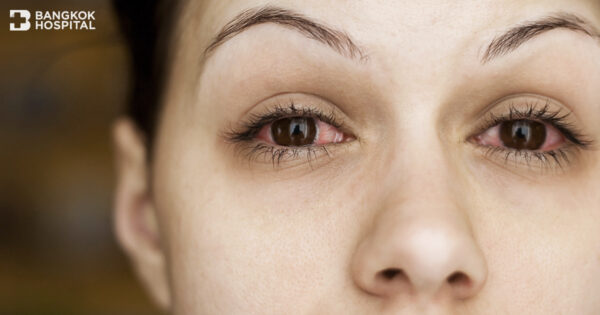
- Redness in both eyes
- Discomfort in bright light (photophobia)
Diagnosis
Diagnosis of allergic conjunctivitis is usually done by taking a thorough history and by careful clinical observation. Severity of the disease depends on the degree of the inflammation. The signs of allergic conjunctivitis are inflammation of the conjunctiva and eyelid. However, in severe cases, there might be small bumps pressing the cornea causing injury to it, which may lead to blindness. Therefore, immediate treatment is advised.
Treatment
The treatment includes:
- Allergen avoidance – Your doctor will help you take steps to identify and avoid your allergy triggers. This is generally the most important step in preventing allergic reactions and reducing symptoms.
- Topical medications – Eye drops can minimize the itch and redness but should be used with medical advice. There are 2 types of medications.
Steroid eye drops
– effective in quickly relieving symptoms but should only be used short term under medical supervision. Long term use is associated with glaucoma and infections.
Antihistamine eye drops
– can reduce the inflammation and relieve symptoms. These drugs can be used for a long period of time.
Prevention
Identifying and removing the cause of allergic conjunctivitis, where possible, is ideal. Topical lubricants can also help flush allergens from the tear film. If your child has the symptoms, never allow him to rub his eyes. This will only make the symptoms worse. As there are many causes for itchy eyes, with some being very serious conditions, it is important that it is examined and professional advice is sought.
Severity of the condition
In patients that often have allergic conjunctivitis, this can lead to chronic conjunctivitis. If steroid eye drops are frequently used, there will be an increased risk of glaucoma. Therefore, if you have any symptoms, consult an ophthalmologist right away.