





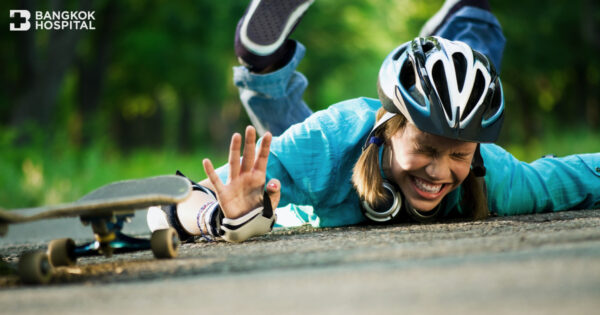

Traditional exercise may not meet the needs of the new generation who crave thrilling adventures without limits, making Extreme sports popular among the New Normal people looking to create new experiences without adhering to traditional ways of playing. With novelty, fun, excitement, speed, height, challenging the environment, and drawing public attention, it must be acknowledged that injuries or even fatal incidents are unavoidable.
Getting to know Extreme
Extreme Sports or X – Treme sports for the X generation not only help burn fat, strengthen muscles but also induce an adrenaline surge. They include land, air, and water sports, such as
- Extreme Land Sports such as rock climbing, BMX, mountain biking, surf skateboarding, Free Running or Parkour, and other off-road sports.
- Extreme Water Sports including jetskiing, wakeboarding, Kiteboard / Surfing, Flyboarding among others
- Extreme Sky Sports like skydiving, base jumping, Wingsuit flying, Bungee Jumping, Ziplining, Canyon Swinging, Cliff jumping and more
Dangers of Extreme
Injuries from Extreme sports can be categorized into 2 types, which are
- Common Sports Injuries (Common Sports Injury) which are most common in Extreme sports including bruises, abrasions, muscle injuries, etc.
- Serious Sports Injuries (Serious Sports Injury) typically result from direct impacts, falls, or high drops occurring swiftly and severely, possibly leading to fractures, dislocations, tendon ruptures, etc.
Life-threatening injuries are rare, such as brain and spinal injuries
Extreme high-risk sports to be cautious of
There are 2 groups of athletes who often suffer injuries from playing Extreme sports: novices who get injured when they start and professionals or experienced players who get injured attempting difficult feats. Sports with dramatic leaps and high speed particularly pose a higher risk of danger and death compared to other sports, such as
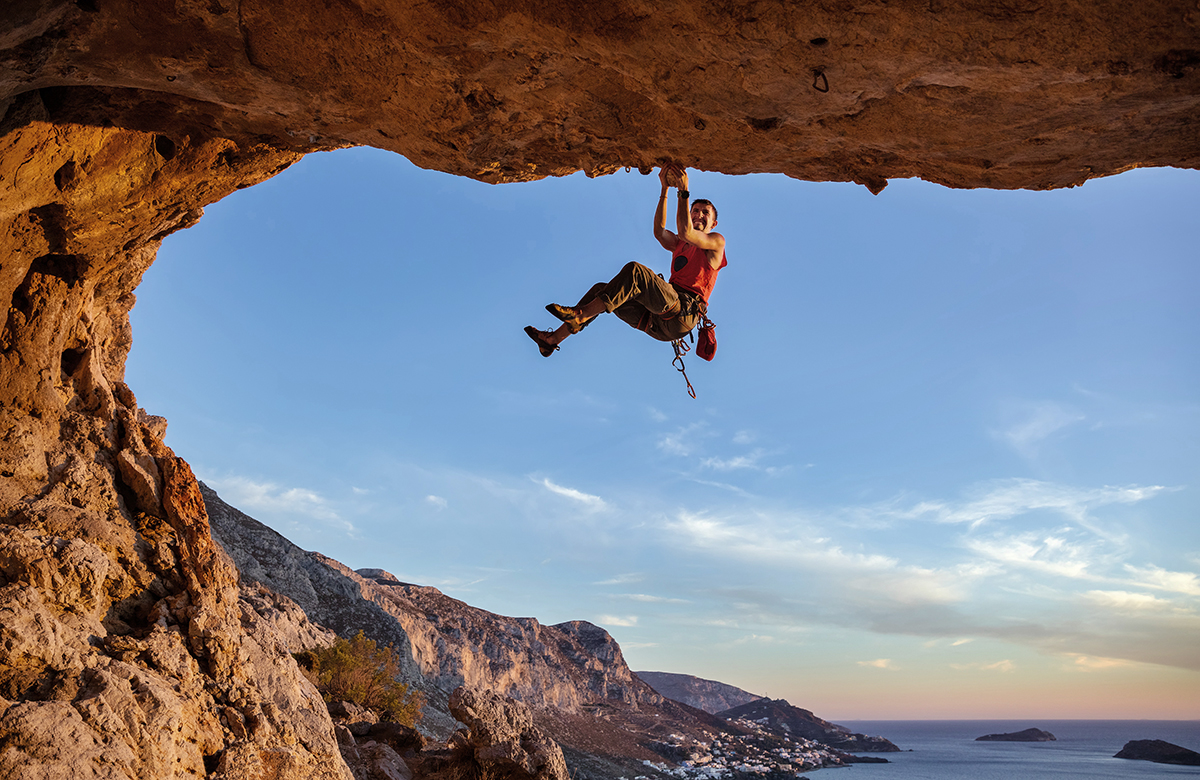
1) Climbing or rock climbing (Climbing) which requires substantial arm and leg strength as the difficulty increases gradually, most injuries result from using arms, shoulders, wrists, and fingers for gripping, lifting, pulling, and supporting body weight, including
- tears of shoulder muscles and tendons
- inflamed finger tendons
- inflammation of shoulder, elbow, and wrist tendons
The incidence of injuries in climbing is related to height, frequency, and environmental factors that increase difficulty, such as falling rocks and cracks, which directly lead to injuries and fatal falls, while falling is the most common mechanism of acute injury.
2) Cliff Jumping (Cliff Jumping) / Skydiving / B.A.S.E. Jumping / Wingsuit flying / Bungee Jumping are high-risk sports that involve jumping from heights over ten thousand feet from buildings, antennas, bridges, or cliffs with the parachute deployed before landing, or wearing a Wing Suit for extended air time, or bungee jumping tied from the ankles and swinging. A slight error can lead to severe accidents from high-speed impacts.
The most dangerous is Cliff Jumping or Cliff Diving which involves leaping from a cliff into water below without protection, ranking among the top dangers in extreme sports. It’s hard to avoid injuries because of the high speed, and if the water isn’t deep enough or there’s an unseen object below, it can have severe consequences and risk drowning.
Common injuries include
- abrasions
- lacerations
- sprains
- muscle inflammation
- back and spinal injuries
- head, brain, and neck injuries
Additional Information : https://www.bangkokhospital.com/en/bangkok/content/surf-skate-injuries
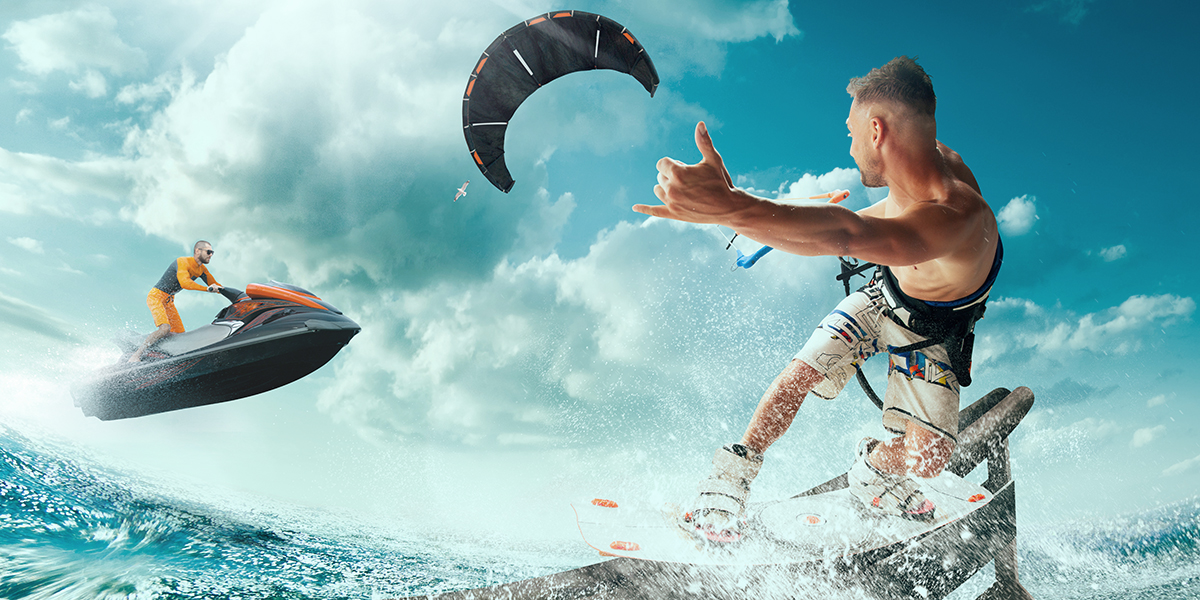
5) Jet Ski (Jet Ski) / Kitesurfing / Wakeboarding and such (Wakeboard) are thrilling water sports. Even though falling in water seems less dangerous, the reality is injuries are not different from falling on hard surfaces. For instance, jetskiing has speeds up to 80 km/h, and accidents from flipping mid-air or rapid turns can lead to severe impacts with water surface or underwater rocks. Additionally, collisions with speedboats can be life-threatening due to injuries or drowning.
Common injuries include
- bruising
- back injuries
- head, brain, and neck injuries
6) Skiing (Skiing) / Snowboarding (Snowboarding) are extreme sports where training, safety gear, and designated trail signs help reduce accidents. However, the rapid movements and twists on slippery surfaces increase accident risks. The most common injuries result from impacts and twisting movements of fingers, wrists, shoulders, knees, and ankles for turning, stopping, or falling, including
- knee pain
- dislocated knee
- torn knee ligaments
- broken clavicle
- broken arm
- broken shinbone
- torn ligament in the base of the thumb (Skier’s Thumb)
Injury assessment from sports Extreme
When encountering an accident while playing extreme sports, stop and observe the injuries considering
- If the injured cannot walk on their own let them sit or lie down to rest
- If help is needed to steady or carry always ask if moving causes an increase in pain
- If in severe pain and immobile there could be a fracture, dislocation, or severe internal injury. Call an ambulance or seek help from the rescue team immediately
Extreme Sports First Aid for Non-severe Injuries
For non-severe injuries like abrasions, bleeding, bruises, and swelling, immediate basic first aid includes
- For abrasions with dirt, clean the wound with sea water, for example, by pouring or spraying water into it.
- For bleeding wounds, stop the bleeding by pressing with fingers on the bleeding point.
- For bruised limbs and swelling, keep the part still, elevated, and apply cold compress.
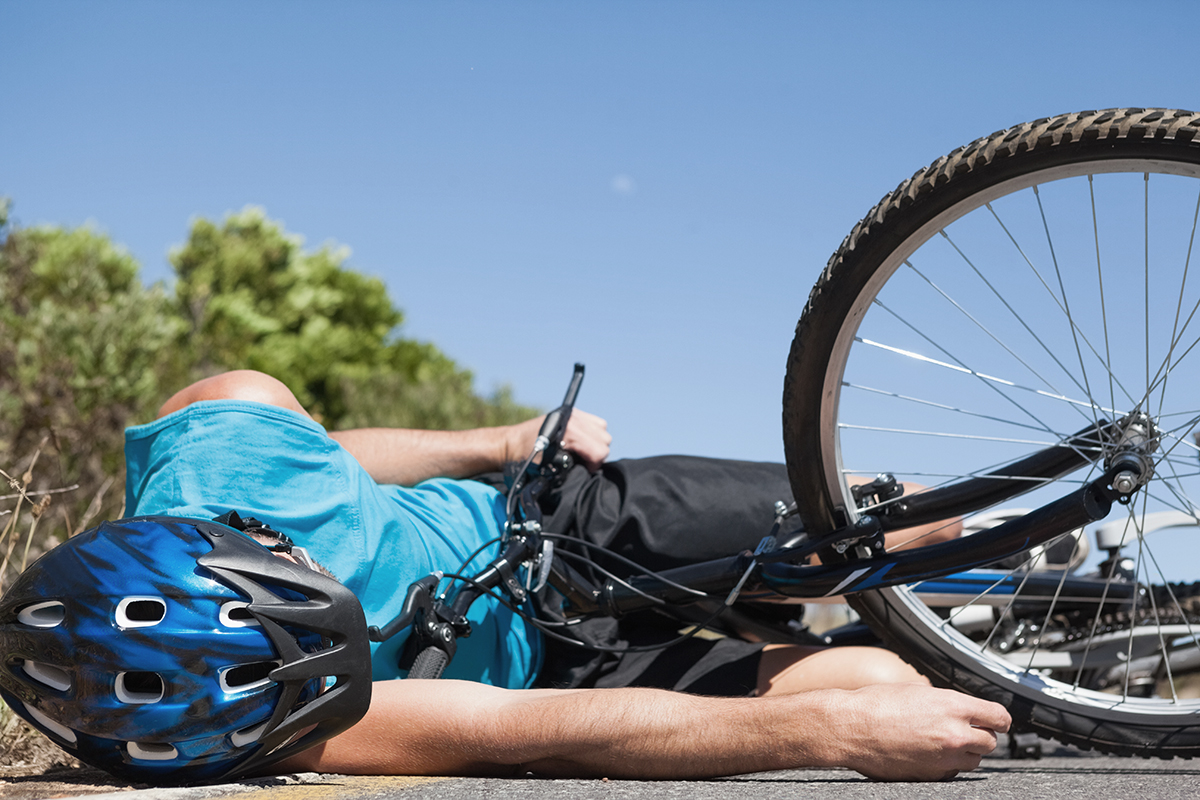
Extreme Sports Seek medical help for which injuries
When symptoms that could be dangerous are present, seek emergency help and rush to see a doctor immediately, including
- Fainting, unconsciousness, or memory loss
- Severe headache, confusion, nausea, and vomiting
- Severe pain along the neck, spine, and lower back
- Severe pain, significant swelling, or deformation of an injured arm or leg
- Large wounds or profuse bleeding
- Chest tightness, difficulty breathing
- Severe abdominal pain, tightness
- Dizziness, fainting, and no improvement after rest
Treatment techniques for sports-related fractures Extreme
As known, Extreme sports can lead to accidents affecting various body parts almost every type of these sports might result in accidents involving bones and joints with varying severity depending on the nature and force. The common sites for fractures include the clavicle, feet and ankles, shoulders, arms, and pelvis
- Broken clavicle is a common fracture site, as it’s prone to injury from direct impacts transmitted from the arm to the torso. The treatment for a broken clavicle varies
- Non-surgical treatment is generally applicable for patients with less displacement of the fractured bone, treated by wearing an arm sling for 4 – 6 weeks in conjunction with immobilizing the shoulder for the first 2 weeks. Normally, the bone heals within approximately 6 – 8 weeks. However, non-surgical treatment might lead to conditions where the bone does not heal or heals improperly, potentially limiting shoulder function, especially in cases where the bones have significantly moved apart.
- Surgical treatment for severely displaced fractures, such as those shortened or separated by more than 2 centimeters, might involve surgery to insert metal plates to increase bone healing chances and minimize misalignment. Currently, minimally invasive surgery through the MIPO (Minimally Invasive Percutaneous Plate Osteosynthesis) technique is available, which requires short incisions of about 2 – 3 and placing metal plates under the skin secured with screws without needing to open a long surgical wound along the entire length of the clavicle. This technique can reduce tissue and nerve damage risks, decrease post-surgical pain, enabling quicker recovery and a return to daily activities.
- Broken foot bones Extreme sports can cause injuries around the ankle either directly or indirectly, such as impacts or direct hits to the ankle or vertical impacts or severe bending injuries resulting in various types and severities of broken bones in the ankle area. The main treatments for broken foot bones are divided into 2 types,
- Non-surgical treatment for cracks or breaks without displacement or affecting life quality, treated by applying a cast or a supportive device to limit movement and prevent weight bearing until the bone heals sufficiently, taking about 6 – 8 weeks, similar to the treatment for a broken clavicle.
- Surgical treatment in cases with displacement or when a cast cannot be applied at the parts of the bone near the inner and outer ankles. Currently, surgery involves bone realignment, adding screws, and/or metal plates, or using wire to secure the bone in the correct position
For complex fractures, current technology like the Robotic C-arm, Artis Pheno, helps achieve clear X-ray images and 3D imaging during surgery, making bone-fixing surgeries more effective, reducing complications from surgery, and minimizing the risk of disability and death.
Additional Information :
https://www.bangkokhospital.com/en/bangkok-bone-brain/content/reboot-your-step-safe-your-feet