

Pediatric epilepsy (Pediatric Epilepsy) is a common neurological disorder and causes great concern for parents. Understanding the symptoms and undergoing diagnostic evaluation from an early stage is very important, as it increases the chances of successful treatment and helps improve a child’s long-term quality of life.
What is pediatric epilepsy?
Pediatric epilepsy is a condition in which the brain generates abnormal electrical activity, causing seizures in children. The incidence of pediatric epilepsy is between 3.5–7.2 per 1,000 people. Pediatric epilepsy affects development, learning, socialization, and emotions. If it is not diagnosed and properly treated, the brain may be increasingly affected as well.
What causes epilepsy, and why do children have convulsions?

As for what causes seizures in children, current findings show that there are many factors that can lead to abnormal brain function. Even children with normal health may experience this condition. Common causes can be classified as follows:
- Genetic abnormalities: which directly affect brain function or structure
- Abnormalities of brain structure: such as congenital abnormal brain development, brain tumors, or vascular malformations
- Prenatal and perinatal complications: such as lack of oxygen during birth or intrauterine infection
- Autoimmune disease and brain infection: including complications from inflammation in the brain
- Unknown cause: found in nearly half of all patients
What symptoms are considered pediatric epilepsy?
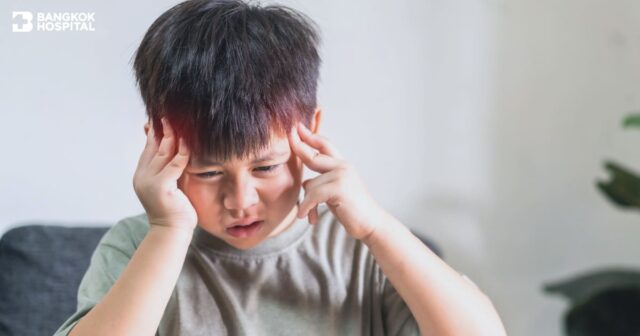
Seizure symptoms in children vary, depending on where in the brain the abnormal electrical activity originates. Parents should regularly observe their child’s behavior. If the child appears to stare blankly, does not respond when called, or shows unusual repetitive behaviors, these may be warning signs of the condition. Types of epilepsy are broadly divided into 3 categories based on the point of origin; however, in practice they are mainly divided into 2 observable symptom patterns.
1. Focal seizures
Symptoms depend on which part of the brain the seizure originates from. If the origin is in the area controlling movement, there may be stiffness or jerking of a specific muscle group. If it is in the area controlling sensation, there may be numbness or abnormal pain. The patient may remain conscious or may have reduced awareness.
2. Seizures that occur simultaneously in both sides of the brain
This is the pattern parents are familiar with, such as whole-body stiffening and jerking, or absence-like seizures in which the child becomes still and does not respond when called, appearing as if daydreaming; atonic seizures, startle seizures, etc.
3. Seizures of unknown onset
Current diagnosis and treatment of epilepsy
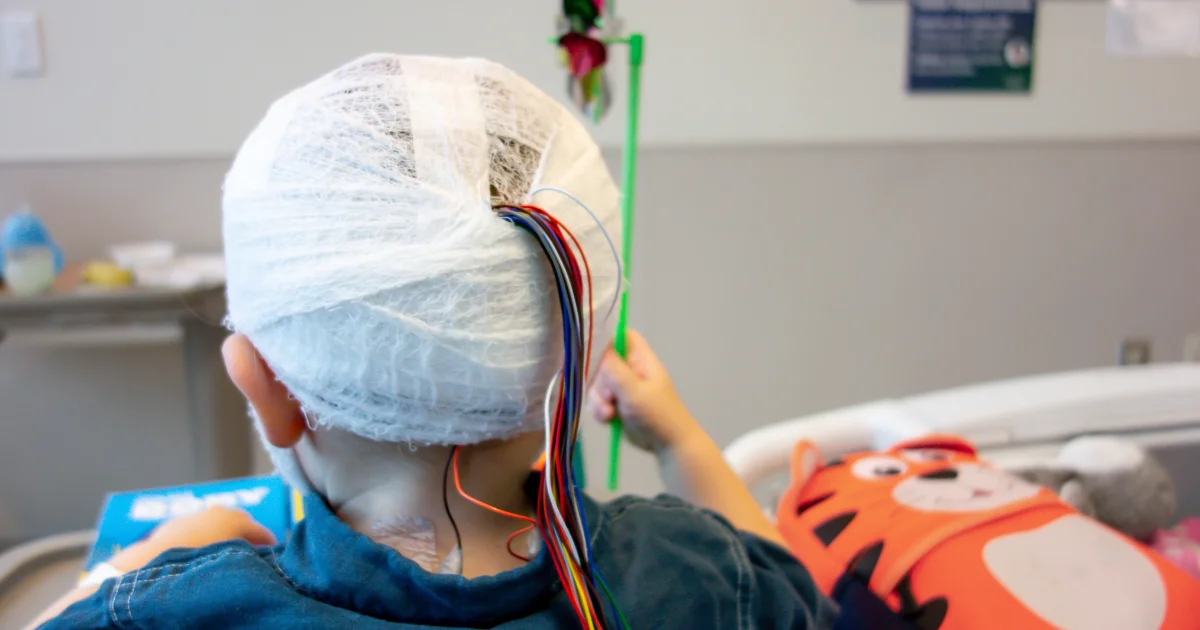
Accurate diagnosis is the key to treatment because it helps doctors clearly identify the cause and the abnormal area of the brain. The doctor will begin with a detailed history and may consider using modern diagnostic tools together, as follows:
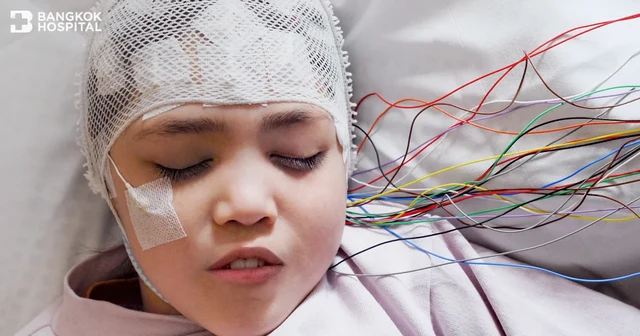
- Electroencephalogram (EEG): to diagnose the type of seizure and indicate the location in the brain where seizures occur
- Brain MRI and CT scan: to detect structural brain abnormalities that may cause epilepsy
- PET scan and SPECT: to help identify the seizure focus that may not be clear from routine examinations
- Use of advanced diagnostic tools: such as 24-hour video EEG monitoring or VEEG to continuously record brainwave data
- Laboratory tests such as blood chemistry tests or genetic testing
For treatment, doctors will start with anti-seizure medications as the main approach; 70% of patients can achieve good seizure control. However, in drug-resistant cases, doctors may consider other options such as a ketogenic diet, vagus nerve stimulation (VNS) implantation, or brain surgery to precisely eliminate the seizure focus.
Basic first aid steps when your child has convulsions
When a child has a seizure, the most important thing is to stay calm and provide basic first aid as follows:
- Stay conscious and calm
- Make the area safe: lay the child flat on the floor in an open area, away from sharp objects
- Correct lying position: place the child on their side to open the airway and prevent choking
- Do not pry the mouth open: do not put any objects into the child’s mouth or try to pry it open to prevent tongue biting, as this may break teeth or cause an object to obstruct the airway
- Observe and time it: record the seizure duration. If the seizure lasts longer than 5 minutes, or if seizures recur without regaining consciousness, take the child to the hospital immediately
Feel reassured with pediatric epilepsy care at Bangkok Hospital
Pediatric epilepsy is a condition that parents and caregivers should not overlook, as symptoms may occur without the child realizing it. Observing abnormalities and promptly bringing the child to see a doctor for treatment at the Pediatric Epilepsy, Neurology, and Brain Center, Bangkok Hospital, because we are fully equipped with pediatric neurologists and a specialized multidisciplinary medical team, along with brainwave testing technology (Video EEG Monitoring Unit) that can provide care, treatment, and 24-hour observation. Receiving care from an expert medical team working closely together also helps stimulate development and support the child’s long-term quality of life, so that the little one does not have to suffer from epilepsy and can grow up appropriately for their age.
- Find a doctor: https://www.bangkokhospital.com/th/bangkok/doctor
- Make an appointment: https://www.bangkokhospital.com/th/bangkok/appointment/step1
- Contact us: https://www.bangkokhospital.com/th/bangkok/contact
For further inquiries
Pediatric Epilepsy, Neurology, and Brain Center
Bangkok Hospital
Frequently asked questions about pediatric epilepsy
My child has no fever but has seizures—what could be the cause?
Seizures without fever can be caused by many factors, such as genetic abnormalities, abnormal brain structure, or lesions in the brain. A specialist evaluation is necessary to determine the true cause.
Can pediatric epilepsy be completely cured?
Most patients (70%) can be cured or achieve good seizure control with continuous use of anti-seizure medications, if they receive accurate and prompt diagnosis.
Do anti-seizure medications in children have side effects?
Today’s anti-seizure medications are highly safe, but in some cases side effects may occur. Doctors will choose the most appropriate medication and adjust the dose to best suit each child’s symptoms and development.
Can children with epilepsy live a normal life?
Children can live and do activities as usual. They should avoid triggers such as sleep deprivation, and they should be closely supervised by caregivers during higher-risk activities, such as swimming or climbing to high places.
If I’m not sure whether my child is having a seizure, what should I do?
The best approach is to record a video of the event and consult a pediatric neurology specialist. This is important information for diagnosis and for planning targeted treatment.