



In the process of in vitro fertilization (IVF or ICSI), in addition to the quality of the egg and sperm, the “uterine cavity” is like the first and most important home for your baby’s growth. If the expectant mother prepares the uterine lining before embryo transfer correctly, it helps ensure the internal environment is ready to effectively support embryo implantation. This article takes an in-depth look at every step—from timing and nutrition to techniques for caring for both body and mind—so mothers can feel confident at every step of building a family.
What is preparing the uterine lining before embryo transfer?
Preparing the uterine lining before embryo transfer is a medical process that uses hormones to mimic and optimize the uterine cavity so it is ready for embryo implantation. Typically, estrogen is used to stimulate the endometrium to thicken, followed by progesterone to support maturation of the lining, making it optimal for embryo development.
Medical criteria indicating that the uterus is ready include: the uterine lining should have an appropriate thickness of about 8–12 millimeters, with adequate blood flow, and no retained old menstrual blood. Proper preparation in this aspect helps support smooth attachment and continued development of the embryo.
On the day your doctor schedules an ultrasound to assess readiness, what the doctor looks for on the screen is a physical feature called the “Triple Line,” or a clearly defined, well-aligned three-layer uterine lining—a sign that this home is ready to welcome the embryo. Preparing the body is therefore an important factor that helps increase the chances of a successful pregnancy.
Steps for preparing the uterine lining before embryo transfer
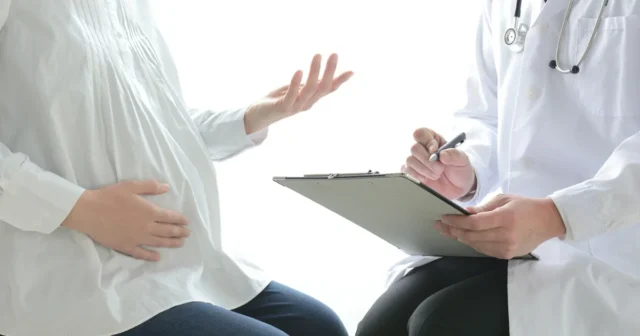
Many people may wonder how many days uterine lining preparation takes. In general, this process is divided into two main approaches, and the doctor will assess and choose the method that best suits each individual’s physical condition.
1. Natural Cycle
Uterine lining preparation in a natural cycle usually takes about 10–14 days, counted from the first day of menstruation. This method is suitable for those with regular menstrual cycles and normal ovulation.
- The doctor will schedule ultrasounds to closely monitor follicle size and endometrial thickness.
- Once ovulation is detected, the body naturally produces progesterone to prepare the uterine lining.
- The doctor will calculate and schedule the embryo transfer date based on the embryo’s developmental stage.
2. Hormone Replacement Cycle
For a hormone replacement cycle, preparation typically takes about 10–14 days, though it may be adjusted depending on the body’s response. This method allows the doctor to control hormone levels and plan the embryo transfer date more precisely.
- Start taking estrogen early in the menstrual cycle to stimulate endometrial thickening.
- The doctor will schedule follow-ups to monitor uterine lining thickness via ultrasound.
- When the lining reaches the target thickness and shows a Triple Line pattern, the doctor will start progesterone to prepare the lining for implantation.
- Proceed with embryo transfer on the scheduled date.
Nourish your body to be ready before embryo transfer

Good nutrition plays an important role in balancing hormones and promoting blood flow to the uterine cavity. If you are wondering what to eat before embryo transfer, focus on a complete and varied diet.
Key nutrients and vitamins to focus on
- High-quality protein such as fish, lean meat, eggs, and legumes to support cell building and repair
- Vitamin B6 and vitamin C such as brown rice, leafy greens, and citrus fruits to promote blood flow to the uterus
- Magnesium and zinc from pumpkin seeds, almonds, and oysters to support reproductive health
- Omega-3 and vitamin E from salmon, avocado, and olive oil to support hormonal balance
Foods to avoid
- Processed foods, frozen foods, and canned foods high in sodium
- Fermented/pickled foods and semi-raw foods to reduce infection risk
- Foods high in sugar and trans fats, which may affect hormone response
Precautions before embryo transfer that expectant mothers should know

In addition to eating healthy foods, there are also prohibitions and precautions before embryo transfer that should be avoided so as not to affect hormone function and uterine contractions.
Avoid high-risk behaviors and chemicals
Avoid foods and beverages containing caffeine such as tea, coffee, and soft drinks, and strictly avoid alcohol and smoking. In addition, be cautious with products containing chemical ingredients often found in some cosmetics or plastics, as these can disrupt the body’s hormonal function.
Control exercise
During the preparation period, avoid high-impact exercise, overexertion, or heavy lifting. However, you may do activities that help relax the body and stimulate circulation, such as light walking or yoga, to maintain flexibility and overall health.
Abstain from sexual intercourse
It is recommended to abstain from sexual intercourse for about 3–5 days before the embryo transfer procedure to prevent uterine cramping, which may affect uterine readiness. This also helps reduce the risk of vaginal infection that could negatively affect embryo implantation.
Stress-management techniques to increase the chances of successful implantation
Stress directly affects estrogen and progesterone levels, which may impact the uterine cavity. Many mothers who have been through this process often agree that “peace of mind is the best nourishment.” While waiting for the uterine lining to thicken, find activities you enjoy to relax, such as listening to soft music, arranging flowers, or reading. Let go of worries—when the mind relaxes, the body responds better to treatment and balances hormones more appropriately.
Bangkok Hospital Infertility Center, ready to support every step of motherhood
The Infertility Center at Bangkok Hospital provides comprehensive specialized obstetrics and gynecology care, from family planning and pre-pregnancy preparation to delivery and postpartum care. With specialist physicians and nurses providing close care 24 hours a day, it offers complete services for mothers and children from the womb through childhood, along with delivery rooms and postpartum rooms designed to be warm and private. It also provides screening and treatment for gynecologic conditions that may be obstacles to pregnancy, such as endometriosis, cervical cancer, and uterine fibroids, using modern technology to carefully assess and safeguard women’s health.
Article summary
Preparing the uterine cavity is like preparing fertile soil for a tree to grow. This process requires time, appropriate nutrition, sufficient rest, and maintaining a bright state of mind, along with close medical care. Strictly following recommendations helps prepare the body in an optimal condition, increases the chances of success, and leads to a healthy pregnancy.
- Find a doctor: https://www.bangkokhospital.com/th/bangkok/doctor
- Make an appointment: https://www.bangkokhospital.com/th/bangkok/appointment/step1
- Contact us: https://www.bangkokhospital.com/th/bangkok/contact
Frequently asked questions (FAQ) about preparing the uterine lining
1. If the uterine lining is less than 8 millimeters thick, can embryo transfer still be done?
The doctor will assess the uterine cavity on an individual basis. If the lining shows a well-defined Triple Line pattern and has good blood flow, even if the thickness does not reach 8 millimeters, the doctor may still consider proceeding with embryo transfer as appropriate.
2. Does using hormones to prepare the uterine lining have side effects?
Mild side effects may occur, such as breast tenderness, fatigue, or increased vaginal discharge. These are considered normal bodily responses to adjustments in estrogen and progesterone levels.
3. After egg retrieval, can embryo transfer be done in the same menstrual cycle?
It depends on the treatment plan. If the body and uterine lining are ready, a fresh-cycle transfer can be done immediately. However, if the ovaries respond excessively or the uterine lining is not yet suitable, the doctor will recommend freezing the embryos for transfer in the next cycle.
4. Do I need to take leave from work to rest at home during uterine lining preparation?
During the preparation period, you can continue daily life and work as usual. However, you should avoid stress, strenuous work, or heavy lifting.