


Shortness of breath and chest pain are common symptoms, which everyone has likely experienced before, such as after exercising. However, such fatigue is considered normal, although some people may feel more fatigued than others when exercising to the same extent.
Fatigue
Normal individuals need to breathe. When inhaling, the body brings in oxygen from the air for use, and when exhaling, it expels carbon dioxide, a waste product generated within the body. Breathing is controlled by the respiratory center in the brain, which adjusts the breathing rate to match the body’s oxygen needs automatically (Involuntary Breathing). When the body requires more oxygen, the respiratory center stimulates an increase in breathing. Conversely, when less oxygen is needed, it instructs a decrease in breathing, all without conscious awareness. However, individuals can also control their breathing, such as holding their breath or breathing rapidly if desired (Voluntary Breathing). Breathing requires energy with muscles aiding in respiration, including muscles that attach to the rib cage and diaphragm contracting, making the chest movement crucial.
Easy Fatigue
Easy fatigue means feeling tired after exercising, while other normal individuals of similar age can do so comfortably without experiencing any symptoms. In simple terms, others do it comfortably without getting tired, but we sometimes get tired.
Causes of Fatigue and Feeling of Incomplete Breathing
The cause of fatigue may or may not be disease-related and can be acute, occurring just 2 – 3 days ago, or chronic, lasting for a long time.
Causes from Diseases
Main causes of diseases are lung and heart diseases.
-
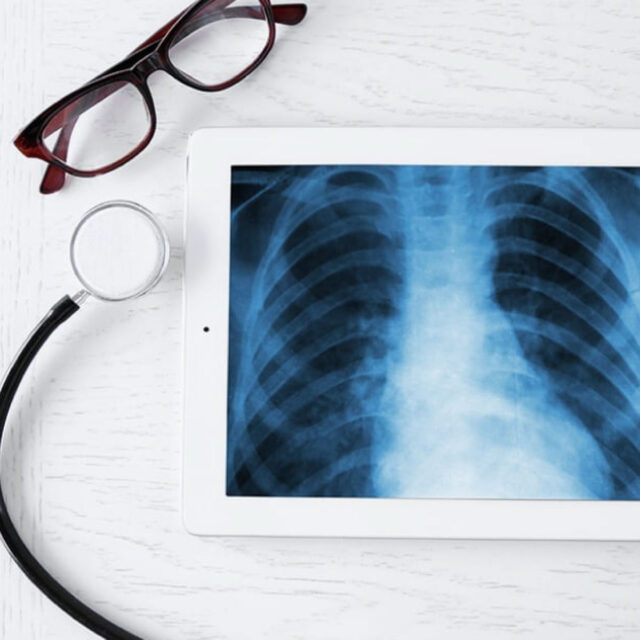
Lung Diseases are the most common disease. According to the Centers for Disease Control and Prevention in the United States in 2000, about 30 million Americans or 11.03% of the population suffered from chronic lung disease. Meanwhile, 22 million people, or 8.09%, had heart disease. In Thailand, in 2002, data from the Ministry of Public Health showed that patients with respiratory system diseases come for consultations approximately 24.4 million times a year, and circulatory system diseases about 7.2 million times a year. The death rate in Thailand from lung diseases, including pneumonia and tuberculosis, was 31.9 per 100,000 people, whereas heart diseases had a death rate of 27.7 per 100,000 people. Lung diseases in younger patients and adolescents are often asthma, whereas older individuals may suffer from chronic bronchitis and emphysema. Chest X-rays and lung function tests can detect almost all patients, although sometimes additional tests are needed for a definitive diagnosis and effective treatment.
-
Heart Diseases Coronary artery disease is dependent on the patient’s age. Patients under 25 years old have a 0.2 chance per 100,000 population. Ages 35-44 have a 14.7 chance per 100,000 population. Ages 75-84 have a 1252.2 chance per 100,000 population. Hence, it is evident that if a patient is under 44 with no symptoms, no existing diseases such as diabetes, high blood pressure, high cholesterol, and especially if their heart X-ray and electrocardiogram (EKG) are normal, it can be said that the chances of easy fatigue due to heart disease are very slim. However, if a patient has heart disease, it is essential for a cardiologist to identify the exact cause and provide continuous treatment.
-
Other current causes of fatigue
-
From accidents resulting in chest injuries because it could endanger the lungs and heart. Chronic causes of fatigue include
-
Brain and nerves feeding muscles (Neuromuscular Disease), e.g., cerebral vascular constriction, Muscular Atrophy or Dystrophy, and Myasthenia Gravis, among others.
The physical examination can generally indicate if it is a brain disease, but to identify the exact type, further examinations and treatments by a neurology specialist are required. -
Chronic sinusitis
- Allergic rhinitis, commonly known in our home, causes sinus inflammation and swelling, nasal congestion. Sometimes it may result from a deviated septum due to an accident, making breathing difficult during sleep or exercise, as breathing through the mouth is easier. An ENT specialist can provide good care for this disease. Checking the cause of fatigue, breathlessness not due to disease. In particular, young patients with easy fatigue often result from insufficient exercise, rest, or deep sleep, especially when stressed or anxious, whether from work or family matters, may cause easy fatigue. Patients often feel short of breath, like air does not fully enter the lungs, and deep breathing 3-4 times would feel comfortable, or like sighing. Sometimes patients have problems but think nothing of it because it can be solved, but in reality, the subconscious still keeps the problem. These patients would feel better with mild stress-relief medications, especially at bedtime. However, some patients may need to consult a psychiatrist. Sometimes there may be other symptoms such as palpitations, excessive stomach acid, frequent diarrhea, dizziness, headache, or easily startled.
-
Anemia
-
Toxic goiter, hyperthyroidism (Thyrotoxicosis or Hyperthyroidism)
-
Underactive thyroid (Hypothyroidism)
-
Chest bone deformities restrict chest movement, making breathing difficult, requiring more effort.
-
Gastroesophageal reflux and bloating
-
Chronic kidney disease
-
Severe liver disease
-
Causes not from Diseases
-
Very little exercise, hardly exercising (Physically Unfit)
-
Recovering from a fever
-
Insufficient rest
-
Stressed, anxious, disheartened (Mentally fatigued)
Most patients who come with symptoms of easy fatigue usually do not have a disease, but there are many diseases that can cause fatigue. If left untreated or delayed, it could be life-threatening or result in lifelong disability and fatigue.
Severity of Fatigue
Doctors often ask about the severity of fatigue by assessing the capability to exercise to evaluate the patient’s fitness and disease severity. A commonly used simple method is the Word Scale (Modified Medical Research Council Scale), divided into Grades 0 to 4.
-
Grade 0 No symptoms of shortness of breath except when exercising vigorously
-
Grade 1 Shortness of breath when walking fast on flat ground or uphill
-
Grade 2 Must walk slower than healthy people of the same age to avoid shortness of breath or need to stop for breath after walking a distance on flat ground
-
Grade 3 Need to stop for air due to fatigue after walking about 100 yards, or in about 2 – 3 minutes
-
Grade 4 Fatigue when leaving the house or when putting on or taking off clothes by oneself, or may use the division of the New York Heart Association Functional Classification as follows:
– Class I Can exercise (Physical Activity) without limitations like a healthy person
– Class II Slightly limited physical activity, not fatigued and feels fine if resting but slightly fatigued with ordinary physical activity
– Class III Must significantly limit physical activity, not fatigued and feels fine if resting but fatigued with little physical activity
– Class IV Cannot exercise without feeling fatigued, may even feel fatigued while resting, symptoms increase with increased physical activity
Many physical therapy and rehabilitation units use more detailed classifications to assess symptoms and monitor patient treatment outcomes, such as the Rating Scale for Dyspnea (Modified Borg Scale), etc.
Finding the Disease-Related Causes of Fatigue, Incomplete Breathing
Standard medical history taking, physical examination, blood tests, liver and kidney function tests, thyroid function tests, chest X-rays, electrocardiogram, and lung function tests can identify nearly all causes of fatigue or symptoms.