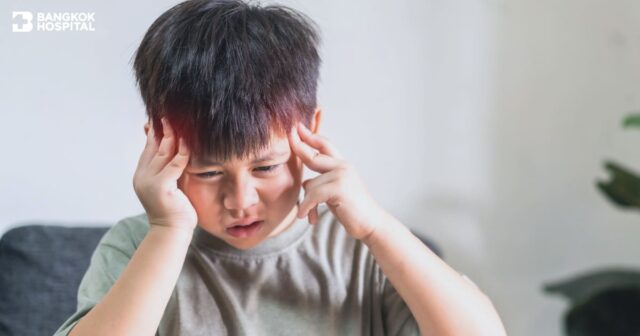

We all want the summer months to be a time of fun and laughter for the little ones. However, just like winter months come with cold and flu, summer months bring few illnesses that we should all watch out for and protect our children.
If you are aware of the various risk factors of summer season, you can take preventative measures and let your children enjoy the vacation to the fullest.
Dr. Porntep Suandork, a pediatrician specialized in infectious diseases, gave us information about common illness in children that we should watch out for this summer.
Gastrointestinal Disease


Diarrhea and food poisoning :
The leading cause is consumption of contaminated food or water as it spreads bacteria, viruses, and toxins. Diarrhea is common in babies and food poisoning is common in school-aged children.
Symptoms:
stomach pain, watery diarrhea, and vomiting. If it is serious, patients might have bloody diarrhea. This requires immediate medical attention as antibiotic is needed for the treatment.
Treatment:
Drink plenty of water or oral rehydration solution. Symptomatic treatment includes medications to relieve the pain and to ease nausea. In young children, milk should be avoided until diarrhea stops.
Prevention:
Teach everyone in your family to wash their hands thoroughly and often, especially after using the bathroom and before touching food. Use perishable food or any food with an expiration date as soon as possible.
Respiratory disease

Influenza :
is common and can be found year-round. Children under the age of 5 and the elderlies tend to have severe symptoms and complications.
Symptoms:
High fever 39-40°C, headache, muscle pain, eye pain, productive cough. In severe cases, the complication is pneumonia and the patient will have high fever, cough, and shortness of breath.
Treatment:
- In children < 5 years old, elderly, and patients with comorbidity such as heart disease, asthma – Antiviral medication should be given.
- In adolescents or adults – symptomatic treatment (and antiviral medication are given if the symptoms are severe)
Prevention:
Avoid close contact with people who are ill. When you are ill, keep your distance from others to protect them from getting ill too. The best way to prevent influenza is to get vaccinated.
Influenza vaccine
- Children 6 months of age and older should receive influenza vaccine once a year. Experts recommend annual influenza vaccination for people at high risk of influenza complications: children younger than 5 years old, elderly, patients with chronic medical conditions (diabetes, heart disease, kidney disease, and pulmonary disease), pregnant women, patients with weakened immune system, and healthcare professionals.
- The vaccine can be given anytime of the year. It usually takes two weeks after the injection for protection to begin. It is best to get your child vaccinated before rainy season or travelling to endemic areas.
- Special consideration – There is still a possibility that children could get the flu even if they get vaccinated. However, the vaccine can help reduce the severity of the disease and complications. Young children have weaker immunity and tend to be ill for a longer period of time. This increases the chance for other people to get ill. Therefore, it is best to get your child vaccinated.
Rabies

Rabies :
is a deadly virus that spreads from the saliva of infected animals such as dogs and cats. The rabies virus is usually transmitted through a bite.
Prevention:
Once a person begins showing signs and symptoms of rabies, the disease is nearly always fatal. For this reason, anyone who may have a risk of contracting rabies should receive rabies vaccines for protection.
- Tell children not to touch any animal they do not know.
- If you were bitten by an animal, clean your wound well. Clean the wound with lots of clean water and soap. Seek medical advice immediately. If the wound is big or on the face, head, fingers, hands, and toes, the risk of infection is higher because of the rich blood supply in these areas.
- If it is suspected that you have been exposed to the rabies virus you will receive something called post exposure prophylaxis. This means being vaccinated after you have been exposed to the virus. This is very effective in preventing rabies infection if received promptly.
- In some cases pre-exposure prophylaxis with a rabies vaccine may be advisable. This means receiving a vaccination before having any suspected exposure to rabies. This is usually reserved for people visiting countries where rabies is common and ones who are planning to be in contact with animals, or staying in rural areas where medical care can be hard to access.
Preventing summer illness
- Wash your hands often
- Eat clean food and water
- Vaccination is advised
- Take good care of your children and others in the family – The earlier the diagnosis, the better.