

Due to an explosive meningitis outbreak that has recently killed university student and a sixth former in the UK, learn more here about meningitis – What to know and what to do?
Get to know meningitis
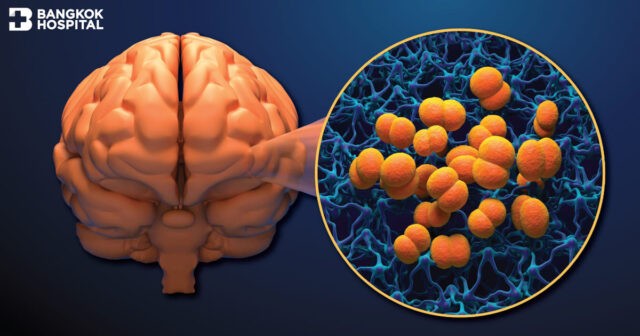
Meningitis is an infection and inflammation of the fluid and membranes around the brain and spinal cord. These membranes are called meninges. Depending on causes of infection, there are different types of meningitis, such as viral meningitis, bacterial meningitis and, rarely, fungal meningitis. Given bacterial infections can lead to death, finding the cause is vital.
What are risk factors?
Risk factors for meningitis include
- Not receiving vaccinations
- Certain age range as viral meningitis most often happens in children younger than age 5 years and bacterial meningitis is common in those younger than age 20 years.
- Living in groups. College students living in dorms, people on military bases and children in boarding schools and child care facilities are at greater risk of meningococcal meningitis
- People with weakened immune system and pregnant women
How to spot warning signs
Early symptoms are similar to those of the flu. Alarming signs often include fever, severe headache, stiff neck, vomiting and confusion. If left untreated, complications often include brain damage, hearing loss, seizure, kidney failure and even death. Common tests to diagnose meningitis involve blood cultures, imaging, e.g. brain CT or MRI scans and spinal tap.
How to get meningitis treated
Treatment depends on the type of meningitis:
- Bacterial meningitis: Intravenous antibiotics sometimes combined with corticosteroids to reduce swelling in the brain. Anti-seizure medications might be prescribed.
- Viral meningitis: Bed rest with plenty of fluid and pain medicine to relieve fever and body ache. Anti-viral medication might be considered in some cases.
- Fungal meningitis: Antifungal medicine is used to reduce brain inflammation.
Prevention of meningitis
Meningococcal conjugate vaccine can help prevent the disease and minimize the severity of meningitis. It is recommended to give a single dose to children ages 11 to 12, with a booster shot given at age 16. To boost up your immunity against meningitis with vaccination, please talk to expert infectious specialists at Bangkok Hospital.
Information by Dr. Ubonvan Jongwutiwes
- Chat with us on WhatsApp