


Our Services:
The Robotic Surgery Center at Bangkok Hospital provides surgical treatment for both Thai and international patients using robotic-assisted surgery since 2023, serving over 700 patients* covering various diseases and complex conditions such as gallstones, liver, pancreas, intestines, etc., and treating patients of all genders and ages.
*Data on the number of patients undergoing robotic-assisted surgery at Bangkok Hospital in 2023
What is Robotic-Assisted Surgery:
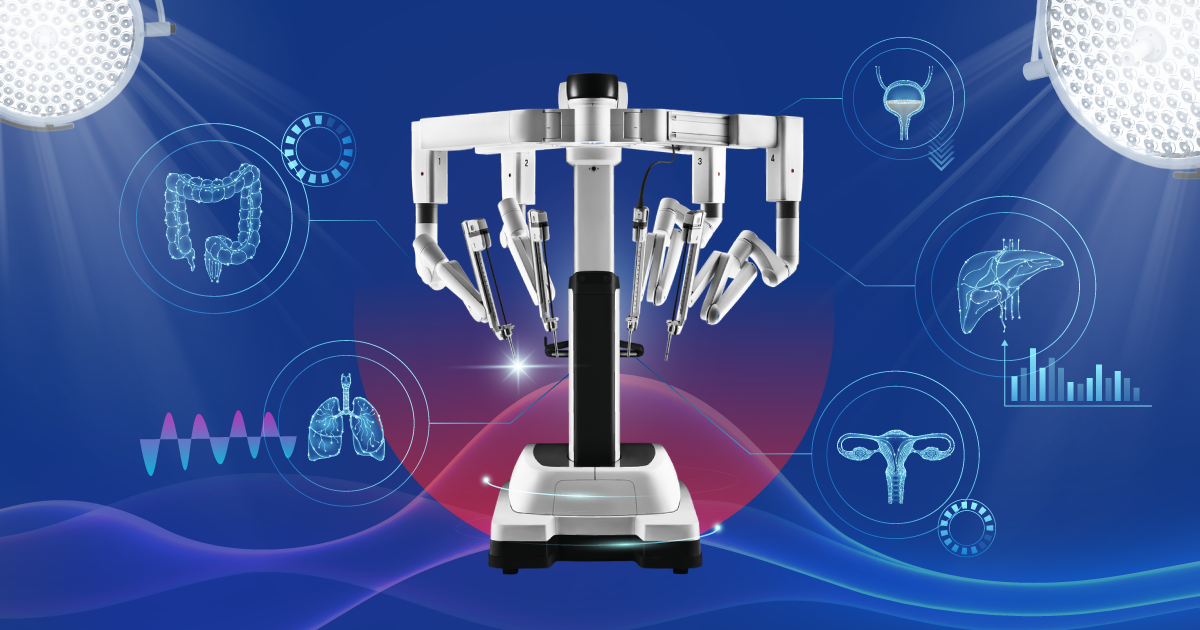
Robotic-Assisted Surgery is a medical technology that assists surgeons in performing delicate surgeries in hard-to-reach and complex areas, effectively reducing side effects and complications from surgery by using robotic systems as supplementary tools during the procedure, while still being controlled by the surgeon at all times; it is not an automated surgery by the robot itself.
- The surgeon sits at a “control console,” which is a high-definition 3D display, along with handheld control devices that can command the robot’s arms to move in a precise manner.
- Key components of robotic surgery:
- The surgical robot (Patient-side Cart) has multiple robotic arms that serve as the “hands” of the surgeon, holding the camera and surgical instruments.
- A high-definition 3D endoscope (3D Endoscope) displays magnified images from inside the body, allowing the surgeon to see clearly.
- The surgeon’s control console (Surgeon Console) allows the surgeon to control the movement of the robotic arms through a detailed display and high-resolution joystick.
What Diseases are Treated:
- Gastrointestinal system – intestines, liver, pancreas, gallbladder
- Uterus surgery, cysts, or tumors in gynecology
- Prostate or urinary tract surgery
- Lungs and thorax
Advantages of Robotic-Assisted Surgery:
- Access to difficult and complex locations
- Low risk of complications
- Smaller incisions, less pain, shorter recovery time
- Less blood loss
Medical Team:
The Robotic Surgery Center at Bangkok Hospital has a team of surgeons trained in robotic-assisted surgery.
Surgeons Team
- Dr. Chanin Pundee: Surgeon specialized in treating hernias, gallstones, and large intestines.
- Assoc. Prof. Dr. Thun Ingkakul: Surgeon specialized in treating liver tumors, pancreatic, bile ducts, gallbladder, and hernias.
- Asst. Prof. Dr. Supreecha Asavakarn: Surgeon specialized in treating liver tumors, pancreas, hernias, and gallstones, including organ transplantation.
- Dr. Romyen Jitmungngan: Surgeon specialized in complex issues related to the rectum and large intestine.
- Dr. Yingchi Wang: Surgeon specialized in treating tumors, ovarian cysts, and endometriosis.
- Dr. Padungkiat Tangpiroontham: Surgeon specialized in treating lung and thoracic diseases.
- Dr. Tanet Thaidumrong: Surgeon specialized in treating urinary tract and prostate issues.
Provided by a Multidisciplinary Medical Team:
The Robotic Surgery Center at Bangkok Hospital has a multidisciplinary medical team working together to plan treatments to ensure individualized surgical procedures. In addition to experienced robotic-assisted surgeons, we have a team of specialists for elderly patients (Geriatrics) and anesthesiologists working collaboratively, preparing patients before surgery. Especially for elderly patients over 75 years old, we ensure care in collaboration with geriatric specialists to check readiness if the patients have underlying diseases, planning medication and nutrition to ensure patients are as prepared as possible before surgery.
- Before surgery, there is an anesthesiology team that assesses risks prior to surgery, adjusting medication plans based on underlying diseases such as diabetes, hypertension, asthma, cardiovascular diseases, etc.
- During surgery, the patient is monitored during recovery after surgery to ensure safety in recovering from the effects of anesthesia.
- After surgery, pain management is provided, monitoring for complications such as nausea, vomiting, or breathing problems, as well as providing postoperative recovery (ERAS) programs and teaching recovery techniques for a smooth transition back home, allowing patients to return to normal life within 5 days.
Frequently Asked Questions (FAQ)
1. Is robotic surgery safe?
The hospital emphasizes patient safety, with robotic surgery being controlled by expert surgeons at all times. The robot is merely a “helper” that enhances precision; it is not an automatic surgery.
2. How is robotic surgery different from traditional laparoscopic surgery?
The robot enables the surgeon to see a 3D image that is magnified clearly and controls robotic arms that move with much greater precision than human hands → smaller incisions, less pain, and faster recovery.
3. How many days do patients need to stay in the hospital after surgery?
It depends on the type of surgery; most patients can start walking within 1-2 days and go home in about 5 days, depending on the disease and the individual’s physical strength.
4. Is the cost higher than traditional surgery?
The cost is higher than traditional surgery, but compared to the shorter recovery, faster return to work, reduced complications, and less likelihood of repeat treatments, it is considered worth it and safer in the long run.
5. Who is suitable for robotic surgery?
It is suitable for those who desire smaller incisions, quicker recovery, and surgery in complex areas such as the liver, pancreas, gallbladder, uterus, ovaries, prostate, or thoracic cavity.
6. What should I prepare before surgery?
The doctor will conduct a health check and create a personalized plan, such as adjusting medications, preparing nutrition, and managing comorbidities to ensure you are fully prepared before undergoing surgery.