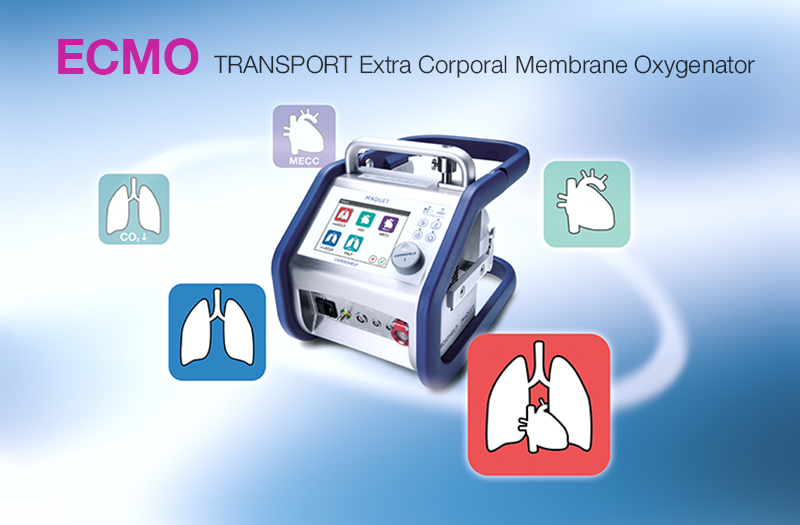
Clinical indications for ECMO support
VA-ECMO is indicated in patients with refractory cardiogenic shock who have an underlying potentially reversible heart condition, although it can also be used as a bridge to a ventricular assist device (VAD) or cardiac transplantation. VA-ECMO can also be used as a salvage technique during cardiac arrest, and the current data support its use after 10 min of adequate but unsuccessful Advanced Life Support (ALS).
In-hospital survival rate of patients with VA-ECMO varies from 30% to 50% according to the cause of the cardiac dysfunction. VA-ECMO can be considered in patients with systolic arterial pressure lower than 85 mm Hg, cardiac index lower than 1.2 liter min/m2, despite adequate preload, more than two inotropes in use, intra-aortic balloon counterpulsation (IABP), and systemic signs of low cardiac output.
The paucity of data in the literature makes it difficult to determine which patients will benefit from.
It is strongly recommended to discuss all possible cases with the experienced ECMO center.
| VA-ECMO |
VV-ECMO |
| Clinical |
| Weaning from cardiopulmonary bypass after cardiac surgery |
Any potentially reversible acute respiratory failure |
| Bridge to left ventricular assist device (LVAD), cardiac transplantation |
ARDS. Associated with pneumonia (viral or bacterial) |
| Acute myocarditis |
Failed lung transplant graft |
| Intractable arrhythmia |
Trauma (pulmonary contusion) |
| Post-cardiac arrest (as part of Advance Life Support) |
Pulmonary embolism (if acceptable cardiac function) |
| Local anesthetic toxicity |
Pulmonary hypertension (after pulmonary endarterectomy) |
With current technology and proven and unproven benefit, ECMO should be considered when other standard therapies fail.