



What is an electrophysiology study (EP test or EP study or EPS)
An electrophysiology study (EP test or EP study or EPS) is an invasive procedure to help assess the electrical activity and electrical conduction pathways of the heart. It is the study to investigate the cause, location of origin, and best treatment for various abnormal heart rhythms. (Please see arrhythmia).
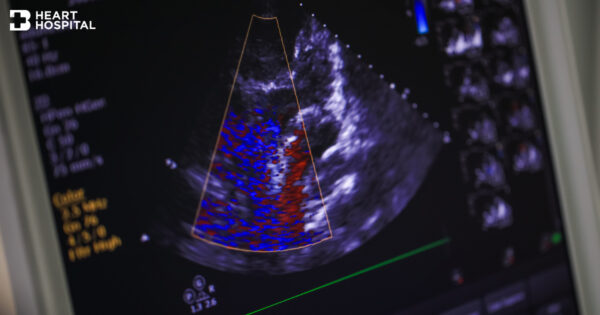
Your doctor usually will use other non-invasive tests such as a standard EKG, Holter monitor, event recorder, stress test, echocardiogram to help the diagnosis the arrhythmia before recommending the EP study.
Where is the EP study performed?
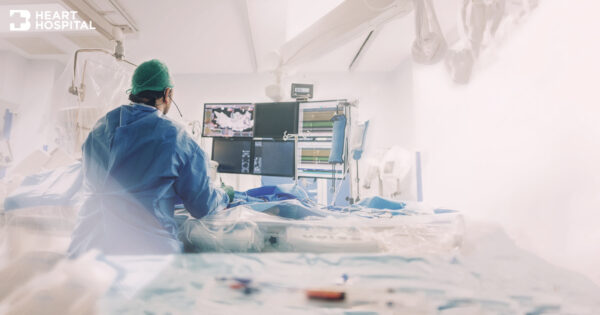
The EP Study is performed in an EP laboratory which is a cardiac catheterization laboratory with additional equipment for EP study.
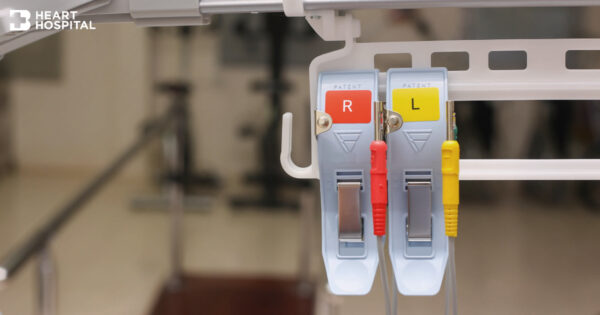
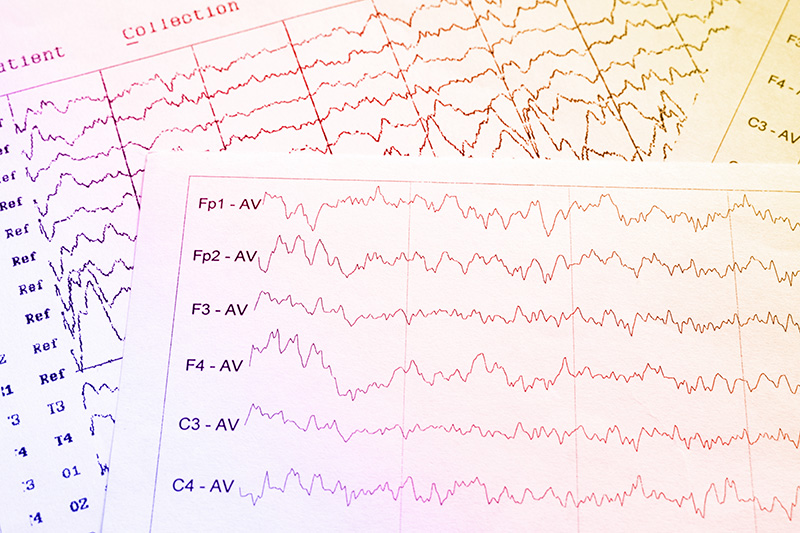
An electrophysiology study (EP study) requires insertion of more than one electrode catheters and computers to create electrocardiogram (EKG) tracings and mapping the electrical activities from inside your heart.
Risks of the procedure
As with most procedures done on your heart and blood vessels, an EP test has some risks. Major complications are rare, though. Potential risks and complications include:
- Bleeding from the catheter insertion site(s)
- Damage to the vessels for catheterization
- Infection of the catheter site(s)
- Perforation of the heart and cardiac tamponade
- Heart attack
- Stroke
- Radiation exposure risk
- Induction of significant arrhythmias
- Risk associate with pregnancy, dye or medications allergy and risk from other specific conditions.
What happens during EPS?
- An IV (intravenous line) is placed in your arm.
- Your nurse will clean and shave the part of your body where the doctor will be working. This is usually in the groin but may be the arm or neck.
- You will receive sedation for relaxing or moderate sedation for some procedure
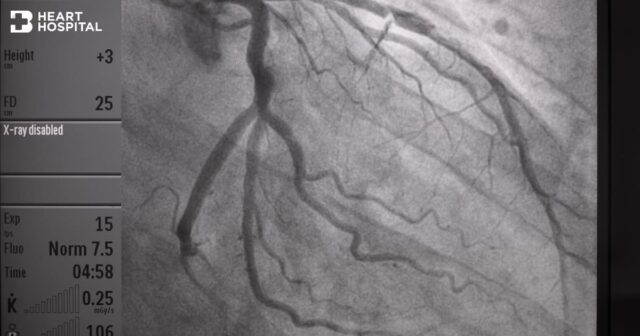
- A local anesthetic will be given to make the sheath insertion area numb. A small straw-sized tube called a sheath will be inserted into your artery or vein. The doctor will gently guide several specialized EP catheters into your blood vessel through the sheath and advance them to your heart. A video screen will show the position of the catheters. You may feel some pressure in the area where the sheath was inserted, but you shouldn’t feel any pain.
- Your doctor will send small electric pulses through the catheters to make your heart beat at different speeds. You may feel your heart beat stronger or faster.
- Electrical signals produced by your heart will be picked up by the special catheters and recorded. This is called cardiac mapping and allows the doctor to locate where arrhythmias are coming from.
- When it is done, your doctor will remove the catheters. Your nurse will put pressure on the puncture site to stop any bleeding.
- EPS usually last 2 to 6 hours.
If the type and location of the arrhythmia is identified and an appropriate therapy decided, cardiac ablation or insertion of a pacemaker or ICD may be performed during or immediately after the EPS. All of these treatment probability should be discussed with your doctor before the procedure.
How can I learn more about EPS?
Talk with your doctor. Here are some good questions to ask:
- Are there medicines that I can use to control my abnormal heartbeats?
- Will I need a pacemaker or implantable cardioverter defibrillator (ICD) now or in the future?
- What caused my irregular heartbeat?
- Am I at risk of serious heart rhythm problems in the future?