


Necessary lifestyle changes to strengthen the elderly’s heart
Several degenerative conditions are primarily caused by advanced age. Particularly in cardiovascular disease, not only aging-associated cause, unhealthy lifestyle habits are also strongly linked to increased risks of heart disease.

FACT! About cardiovascular disease
The Truth About Coronary Artery Disease

Magnetic Resonance Imaging (MRI) 3.0 Tesla
Magnetic resonance imaging (MRI) is a medical imaging technique used in radiology to form detailed pictures of the inside of your body. It is a non-invasive tool that uses strong magnetic fields, electric field gradients, and radio waves to generate images of the organs in the body. MRI does not involve X-rays and the use of ionizing radiation. The strength of the magnet of the system determines the quality of the imaging possible with the MRI system.

3 Types of Chest Pain – That Could Be Warning Signs of a Heart Attack
Chest pain appears in many forms, ranging from a sharp stab to a dull ache. Many different problems can cause chest pain. One of the most life-threatening causes is heart attack or myocardial infarction.

Coronary Artery Disease Knowing Your Risks and Warning Signs
Heart disease is one of the leading causes of death in Thailand. Coronary artery disease is one of the heart diseases resulting from the buildup of plaque in the coronary arteries that supply blood to the heart. Living a healthy lifestyle that incorporates good nutrition, weight management, and getting plenty of physical activities can play a big role in avoiding the disease. Also, knowing the risk factors and symptoms of coronary artery disease can help you detect the problem early

Rheumatic Heart Disease and Pregnancy
Rheumatic heart disease is a complication of rheumatic fever in which the heart valves have been permanently damaged. Recent clinical researches indicate that the mortality rate from this disease remains up to 1.5 % of all causes of death among Thai population. Typically, rheumatic heart disease does not produce any noticeable signs and symptoms in its early stage.
Translated by AI
Acute ischemic heart disease: know the causes, warning signs, and safe treatment methods
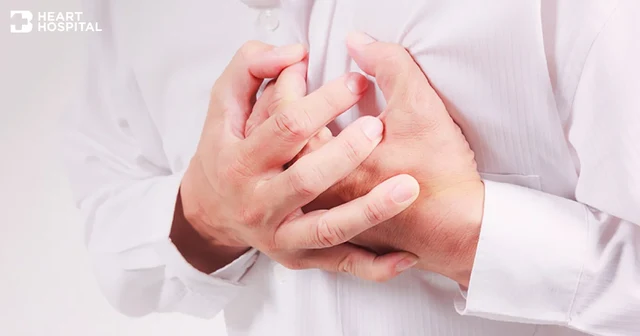
If, while doing daily activities, you experience prolonged chest pain, tightness, shortness of breath, or chest pain when exercising or doing strenuous activities that you have never done before, with pain radiating to the shoulder, palpitations, and in some cases nausea, sweating, or abnormally forceful heartbeats, you should see a doctor immediately, because if medical care is not received in time, it may be life-threatening.

Looking after the heart of a new mother after delivery
After months of anticipation, meeting your baby for the first time will surely be one of the most memorable experiences of your life. Adjusting to everyday life after the birth of a baby has its challenges, especially if you are a new mother. Although it is important to care for your baby, you also have to take care of yourself especially the heart.

Heart conditions and pregnancy: what mother-to-be should know
Getting good care before, during and after pregnancy remains crucially vital. It can help babies completely grow and develop. However, cardiac disease in the pregnant patients can present challenges in cardiovascular and maternal-fetal management.

Women should not overlook cardiovascular disease.
Current researches have indicated that the most common health-related problems in women do not only include cervical cancer and breast cancer, but cardiovascular disease. A number of women diagnosed with cardiovascular disease has continued to rise worldwide.

心臓弁膜症でも妊娠・出産は可能ですか?
Among heart valve disease, mitral stenosis (MS) is the most common manifestation of rheumatic heart disease found in pregnant women. It is one of the most common causes of maternal death from cardiac causes worldwide. Whether or not to get pregnant safely in women diagnosed with heart valve disease, it entirely depends on the disease severity and individual conditions of each patient.

Bangkok Heart Hospital reviews that the epidemic trend of complicated cardiovascular disease has continued rising worldwide in a similar way to Thai population.
The recent statistical data has firmly indicated that the epidemic trend of cardiovascular disease in Thai population is continued rising increasingly every year.