



Mitral valve regurgitation (Mitral Regurgitation: MR) is one of the most common valvular heart diseases, especially in older adults and in those with heart disease or concomitant heart failure. Moderate to severe regurgitation may cause patients to become easily fatigued, have difficulty breathing, be unable to lie flat, or develop pulmonary edema if appropriate treatment is not received.
Currently “MitraClip” or transcatheter mitral valve repair (Transcatheter Edge to Edge Repair: TEER) is anotheroption for high-risk patients who cannot undergo open-chest surgery This method is internationally recognized and has been widely used worldwide for more than 20 years
What is mitral valve regurgitation?
The mitral valve controls blood flow from the left atrium to the left ventricle. When regurgitation occurs, some blood flows backward, causing the heart to work harder and potentially leading to abnormal symptoms. If severe, it can result in pulmonary edema or heart failure.
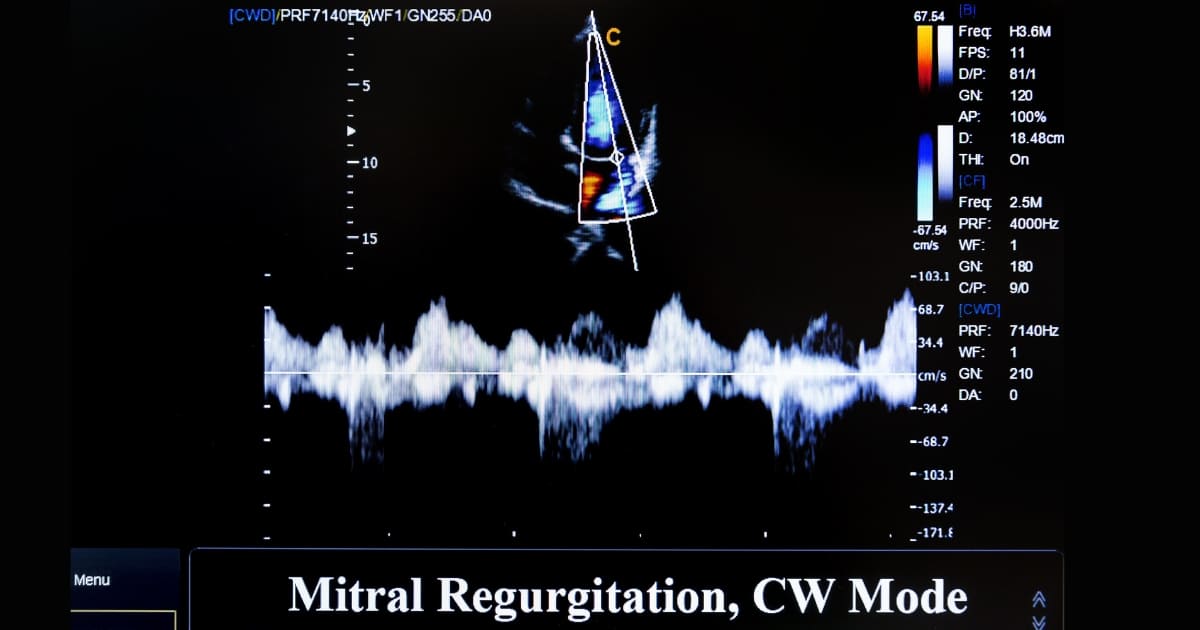
How many types of mitral valve regurgitation are there?
Mitral valve regurgitation is divided into 2 main groups. Knowing the type of mitral regurgitation is important for selecting the most appropriate treatment, as follows:
- Primary MR caused by valve degeneration, prolapse, or structural abnormalities of the valve.
- Secondary MR caused by abnormalities of the left ventricle, leading to incomplete valve closure
What are the symptoms of mitral valve regurgitation?
- Easily fatigued or tired
- Shortness of breath, especially when lying flat
- Palpitations due to arrhythmia
- Leg swelling
How is valve regurgitation diagnosed?
Doctors evaluate valve regurgitation using multiple tests together including
- Echocardiogram cardiac ultrasound, which is the main test
- TEE transesophageal echocardiography to closely assess valve structure
- Chest X-ray to evaluate the lungs and heart
- Electrocardiogram (ECG) electrocardiography
- Physical examination and symptom assessment by a cardiologist
The results from these diagnostic evaluations help doctors plan the most appropriate treatment

Treatment methods for mitral valve regurgitation
Treatment for mitral valve regurgitation is divided into 3 methods as follows
- Medication used to relieve symptoms such as fatigue and shortness of breath, but it cannot directly correct the valve regurgitation.
- Transcatheter valve repair (TEER / MitraClip) suitable for patients with severe regurgitation and high surgical risk.
- Open-chest heart surgery is the standard for suitable patients, but older adults or those with multiple comorbidities may have high surgical risk
MitraClip What is it and how does it work?
MitraClip is a small clip device used to grasp the edges of the leaking part of the valve together, helping the valve close better and reducing backflow of blood. It is performed through a blood vessel in the groin without opening the breastbone. This method is suitable for patients at high risk with conventional surgery
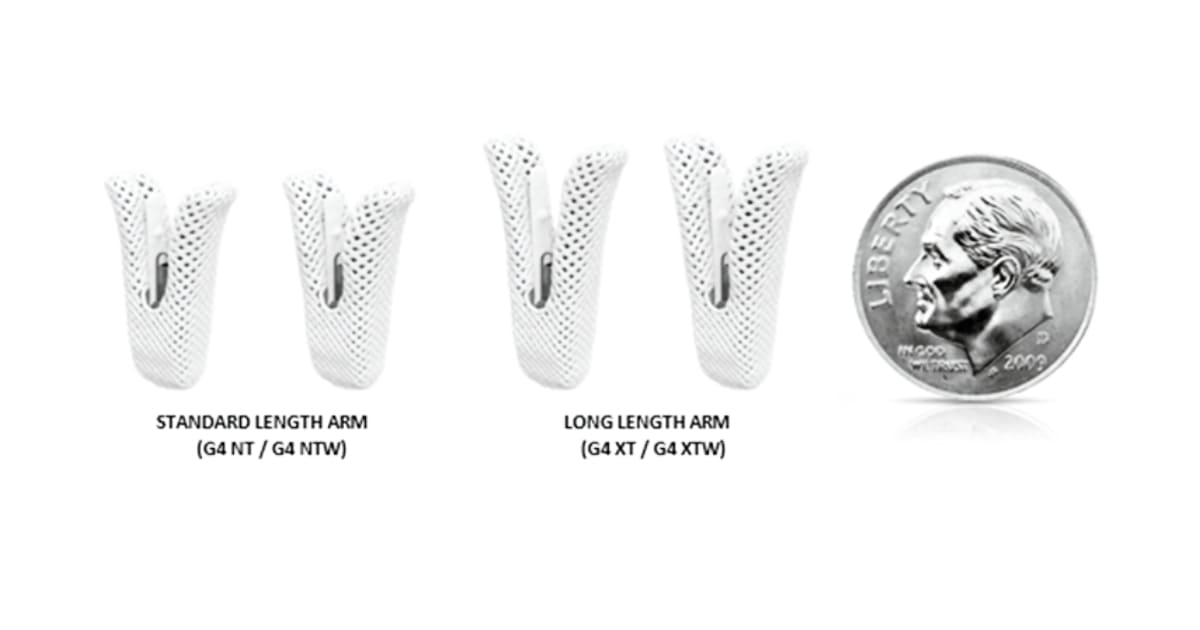
Who is suitable for treatment with MitraClip
Doctors assess suitability on an individual basis and every patient will be evaluated by a multidisciplinary heart team (Heart Team) based on
- Moderate to severe mitral valve regurgitation
- High risk for open surgery
- Heart failure with persistent symptoms despite guideline-directed medical therapy
- Suitable heart and valve anatomy assessed by transesophageal echocardiography (TEE)
What is the MitraClip procedure like?
- General anesthesia and insertion of a catheter through the groin blood vessel
- Use transesophageal echocardiography (TEE) to guide the device in detail
- Place the clip at the leaking area
- Assess blood flow; if the position is appropriate, the clip is released
- Close the small groin wound
The procedure takes about 1 – 3 hours, and hospital stay is about 1 – 2 days

How to care after MitraClip
- Avoid excessive bending of the leg in the early period
- Keep the wound dry and clean
- Take medications as prescribed, such as antiplatelet drugs
- Follow up with cardiac ultrasound as scheduled
- Watch for abnormal symptoms such as shortness of breath, chest pain, or swelling/redness at the wound site
Advantages of treatment with MitraClip
- Small wound; no need for open-chest surgery
- Fast recovery
- Improved fatigue or shortness of breath
- Reduced chance of rehospitalization in heart failure patients
Results vary for each person depending on heart structure and comorbidities

When should you see a doctor?
If you become easily fatigued, cannot lie flat, or suspect you have valve regurgitation, you should be evaluated by a cardiologist to plan the most appropriate treatment, whether medication, surgery, or transcatheter valve repair with MitraClip
Hospital that provides non-surgical mitral valve repair with MitraClip
Cardiology (Internal Medicine) Clinic Bangkok Heart Hospital is ready to care for and treat mitral valve regurgitation with MitraClip(MitraClip) via catheter without surgery, with expert cardiologists and an experienced multidisciplinary team, as well as modern medical equipment, so that patients can regain a good quality of life.
Physician specializing in non-surgical mitral valve repair with MitraClip
Dr. Chattanong Yodwut Cardiologist Head of the Cardiac Performance Testing Center Bangkok Heart Hospital
You can click here to make an appointment yourself.