



Abnormal Rapid Heart Rate
Normally, the heart beats at a rate of 60–100 beats/minute. Cardiac arrhythmia refers to a condition in which the heart beats faster or slower than normal. It may be caused by abnormalities in the generation of the heart’s electrical impulses, conduction of the heart’s electrical signals, or both together. It can be found in many types of heart disease, both with structural pathology such as abnormal heart valves, abnormal heart muscle, or coronary artery stenosis/occlusion, and without structural pathology such as an accessory electrical pathway (short-circuit).
Symptoms of Abnormal Rapid Heart Rate
Patients may have the following symptoms:
- Palpitations
- Lightheadedness
- Chest pain
- Fatigue
- Lack of strength
- Fainting (loss of consciousness)
- Heart failure depending on the heart rate, duration of the episodes, and underlying cardiac pathology
These symptoms may cause anxiety or fear to the point that the patient cannot carry out daily activities. Often, patients are advised that all symptoms are due to stress and are given anti-anxiety medication or sleeping pills for long periods, without improvement, until they feel it is an incurable disease, leading to boredom and discouragement. Today, medical diagnostic testing has improved, making it much better than before at identifying the cause and providing appropriate, correct treatment.
Attentive Care to Reduce Risk Factors
Triggers that can cause episodes of abnormal rapid heart rate that should be avoided include:
- Stress
- Anxiety
- Excessive determination/overstriving
- Insufficient rest
- Overexertive exercise
- Smoking
- Drinking tea, coffee, energy drinks, caffeinated soft drinks, alcohol
- Taking or injecting medications that stimulate the heart
Diagnosis of Cardiac Arrhythmias
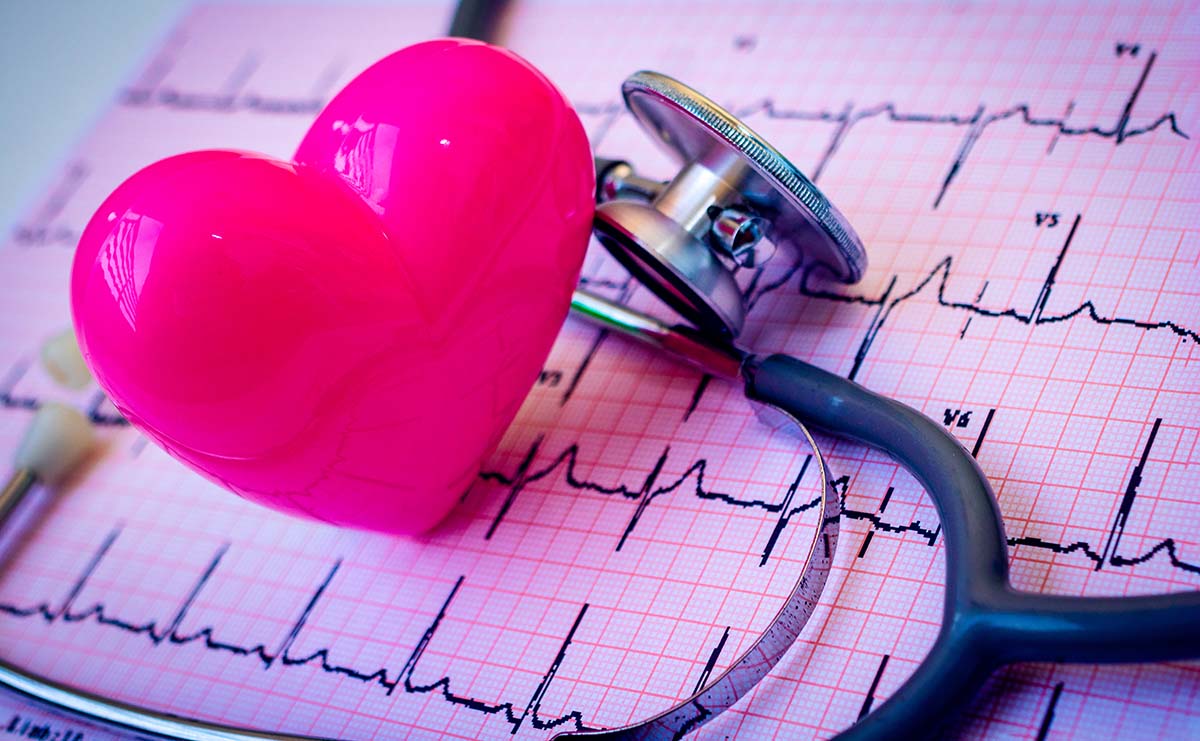
To diagnose what type of arrhythmia it is and whether there is associated structural heart pathology, doctors often perform an electrocardiogram (ECG) or a 24-hour ECG (Holter monitoring), treadmill testing (especially in those whose arrhythmias occur during exercise), telephone-based ECG monitoring, and an electrophysiology study in a laboratory, in whichan electrophysiology study is currently used to identify the cause in patients suspected of having abnormalities in the atria, abnormalities of conduction in the ventricles, tachyarrhythmias, patients who have survived resuscitation, and patients with frequent fainting of unknown cause.
Treat Promptly Before It Becomes Severe
Some patients with arrhythmias have no symptoms, causing them not to recognize the importance and potential complications, which can create major difficulties for the patient and family in daily life, ranging from paralysis to death. The most common arrhythmia is an atrial arrhythmia called Atrial Fibrillation. Patients may have a risk of stroke as high as 10–15% per year due to blood clots that form in the heart from irregular beating and then dislodge to block cerebral blood vessels. It can lead to weakened heart function, which is associated with higher mortality when found together with diabetes and coronary artery occlusion. Therefore, in the long term, once complications occur, it becomes difficult to restore the patient’s health and quality of life to what it was before.
Treatment of Cardiac Arrhythmias
Arrhythmias can be treated by:
1) Medication The doctor may treat with medication alone, starting with anti-stress medication. The doctor may prescribe antiarrhythmic drugs or medications that stimulate the heart.
2) Radiofrequency Catheter Ablation using a special catheter (Radiofrequency Catheter Ablation) This is a treatment for abnormal rapid heart rate with good to very good effectiveness (80–95%). A catheter is inserted and positioned at various locations in the heart to measure the ECG and to stimulate the heart. Then the doctor inserts another special catheter to locate the area where electrical conduction is faster than normal. Once the target location is identified, the doctor delivers high-frequency electrical current, which is converted into heat energy at the tip of this special catheter, destroying conduction at that point so that the heart will no longer beat abnormally.
Many patients are often concerned that radiofrequency ablation may be dangerous, whereasthe risks from radiofrequency ablation are very low because the electrical current used is low, about 40–60 volts, which is converted into heat energy in the heart tissue at a temperature of 55–60°C. This energy does not stimulate the heart muscle or nerve endings. Patients may feel only slight chest pain, so it can be performed without general anesthesia.
3) Implantation of special devices In abnormal rapid heart rate caused by very fast ventricular tachycardia leading to low blood pressure, an unpalpable pulse, multiple alternating forms, or ventricular flutter, if the heart does not return to normal quickly, the patient may die. The doctor will recommend implantation of an automatic implantable cardioverter-defibrillator (ICD) in the chest together with taking antiarrhythmic medication. For bradycardia (a slower-than-normal heart rate), the doctor will implant a pacemaker, of which there are two types: single-chamber and dual-chamber. Which type is implanted depends on the patient’s pathology.