


Scoliosis should not be overlooked! It might happen to all age groups.
Scoliosis might be perceived as one of uncommon spinal disorders. In fact, the disease affects 2-3% of Thai population.

Microscopic Discectomy Stop Back Pain By Microscopic Surgery
Back pain can be uncomfortable and debilitating. Most acute back pain gets better with a few weeks of home treatment.

Frequently Asked Questions for Spine Surgery

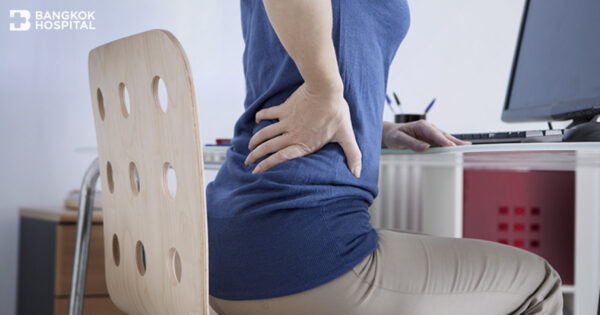
Microscopic Discectomy: A minimally invasive surgery to treat lumbar disc herniation (herniated disc)
Microscopic Discectomy: A minimally invasive surgery to treat lumbar disc herniation (herniated disc)
Translated by AI
Holistic Treatment: New Hope for Spinal Disease Patients
Back pain, neck pain, and shoulder pain in various parts of the body may not be as trivial as thought. Treating patients holistically with a team of highly specialized physicians from various fields will help cure the disease.
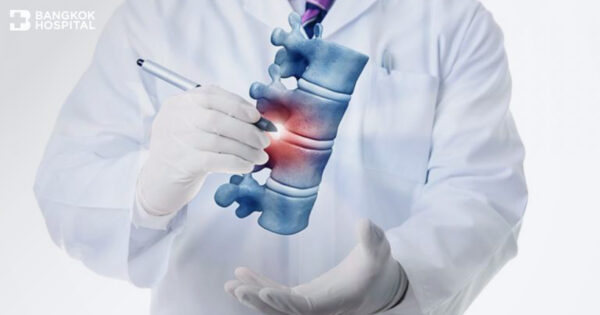
Microscopic lumbar discectomy: The “gold standard” surgical treatment for herniated disc patients
The advanced surgical treatment to decrease pain and operative time and offer faster recovery

Translated by AI
Chronic back pain is treatable.
Some people, even after undergoing spine surgery, still experience pain that does not improve. In some cases, the pain is worse than before. The medical term for this condition is Failed Back Surgery Syndrome or FBSS, which requires prompt treatment.
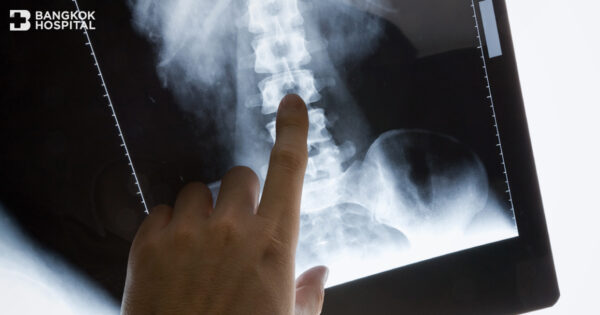
Direct Lateral Interbody Fusion (DLIF)
DLIF is the acronym for Direct Lateral Interbody Fusion which is a minimally invasive surgical procedure to create support for the intervertebral discs through the patient’s side.
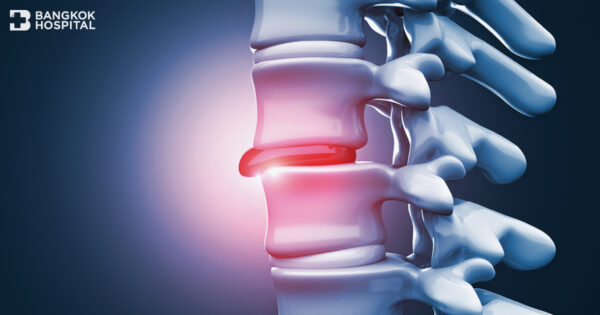
Herniated Discs
Herniated disc is a type of degenerate disease. The disc functions like a shock absorber between each vertebra with flexibility to withstand the force from spinal movements, such as walking or jumping.

Back Pain

Translated by AI
A herniated disc can be treated.
Many people have suffered from back pain that radiates down to the leg, reaching down to the calf or back of the foot on one side. Some experience pain behind the knee joint, calf pain, and numb toes after playing sports, mistaking it for muscle inflammation. However, upon detailed examination with an MRI, it was found to be a spinal nerve compression disorder.

Non-Surgical Treatment for Spine Disorder
Spine disorder can happen to anyone because of our daily routines, such as heavy lifting, posture, accidents, or aging. It usually manifests itself as “pain” which can become chronic.