


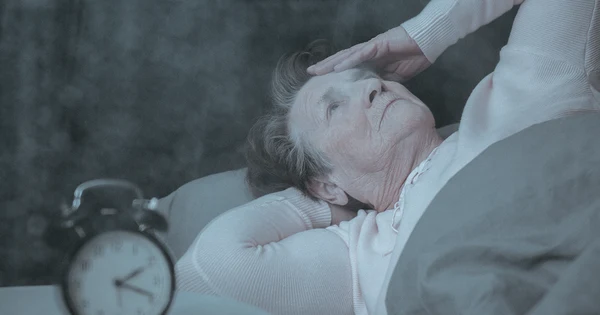

Many families with elderly members at home may have wondered why, as they age, the elderly tend to change their sleeping patterns. Some sleep during the day and wake up during the night, some wake up almost every hour, some stay awake for more than 24 hours, and when they finally go to sleep, they sleep for an entire day and night without waking up for meals or daily routines. This makes it difficult for their children or caregivers to care for them and causes exhaustion due to inadequate rest, which may even lead to irritability and frustration towards the elderly.
Having family members of different ages together poses a challenge because it requires understanding the limitations and nature of each age group. The same applies to the elderly. Although most people view old age as a return to dependency, like in childhood, providing the same type of care is not entirely appropriate. Proper care for the elderly should be based on an understanding of the causes and factors affecting their sleep so that a suitable care plan can be devised without causing too much strain on the caregiver and maintaining a positive attitude towards the elderly at home.
Physical changes in the elderly
As one enters old age, there are several changes in the body. The change in taste leads to less enjoyable meals, vision becomes blurry due to cataracts, and hearing becomes less clear due to the deterioration of different organs. This makes the elderly less interested in their surroundings. However, the amount of sleep needed does not change with age and remains at about 8 hours a day, but the quality of sleep decreases, making it inadequate.
There are several factors that lead to poor quality sleep in the elderly, such as napping during the day, irregular sleep schedules, going to bed before feeling sleepy (advanced sleep phase syndrome), or going to bed after the regular sleep time has passed (delayed sleep phase syndrome), using the bed for other purposes such as watching TV, reading, or eating. This might be due to mobility limitations, or due to disturbances in the bedroom such as noise, light, or heat. In addition to external factors, internal factors such as pain from various causes, discomfort from chronic diseases, and mental health issues are crucial in reducing the quality of sleep in the elderly.
Changes in sleep patterns in the elderly
Normally, our bodies have an internal biological clock that regulates our sleep-wake cycles. The sleep cycle is divided into 2 alternating phases:
- Non-Rapid Eye Movement (NON-REM) leads to deep sleep, which is associated with feeling refreshed during the day.
- Rapid Eye Movement (REM) involves muscle movements of the eyes and is associated with dreaming. Typically, the sleep cycle alternates between NON-REM and REM phases 5 – 6 times each night.
However, it becomes harder for the elderly to fall asleep. It has been reported that 24% of elderly patients take more than 30 minutes to fall asleep. This is due to decreased production of melatonin and growth hormones, especially after the age of 60. Reduced exposure to sunlight and frequent waking due to internal body factors cause the elderly to have difficulty sleeping.
Diseases that affect the sleep of the elderly
The elderly often have chronic diseases, many of which affect their sleep, such as:
- Joint and back pain that worsens at night, causing frequent waking.
- Poorly controlled heart failure, leading to chest tightness and difficulty breathing when lying down, necessitating sitting up until the discomfort passes before continuing to sleep.
- Inability to control urination or defecation.
- Breathlessness from chronic obstructive pulmonary disease.
- Cognitive decline affecting perception.
- And more.
To ensure good sleep quality, it is essential to manage these factors. However, mental factors may also disturb the sleep of the elderly. Frequently, the loss of loved ones such as a spouse, friend, close persons, or even long-term pets can lead to depression. The loss of social roles, image, and respect from others can also affect the mental state and, consequently, sleep.
Treatment of insomnia in the elderly
The treatment of insomnia in the elderly can be divided into 2 types:
1) Non-pharmacological treatment
- Maintaining a regular sleep and wake schedule.
- Eating adequately.
- Avoiding extremes of hunger or fullness before sleep.
- Exercising regularly in the morning and afternoon but not close to bedtime.
- Quitting smoking.
- Reducing alcohol consumption.
- Avoiding reading or watching TV in bed. Use the bed only for sleeping.
- Getting some sunlight exposure and exercising outdoors to stimulate the recognition of daylight as a non-sleeping period. For elderly who can’t go outside or mostly stay in bed, caregivers should arrange the environment appropriately, such as opening curtains during the day to let in light and reduce light at night, preparing a suitable sleeping environment, and minimizing noise.
- And more.
2) Pharmacological treatment is often the last option recommended by doctors, as the metabolism and elimination of drugs in the elderly are reduced, causing the drug effects to linger in the body longer than usual or leading to drug tolerance, requiring increasingly higher doses. Prescribing sleep medication can make it difficult for caregivers to assess abnormalities from the chronic diseases of the elderly. Therefore, drug treatment should be closely monitored by a doctor, and caregivers should strictly follow instructions to minimize adverse effects on the elderly.
If caregivers understand the limitations and changes in the elderly, caring for them thoughtfully is not difficult. It’s essential to remember that the elderly have experienced different life stages, and respecting and honoring them in every action should not be neglected, as we will all face old age eventually.