



Snoring occurs during sleep. The throat muscles relax and become lax, causing the airway to narrow. Air moving through the narrowed airway causes vibration of throat tissues such as the tonsils, soft palate, and uvula. This vibration produces the sound of snoring. In addition to lax throat muscles, there are other causes that lead to narrowing or obstruction of the airway, such as enlarged tonsils. People who are severely overweight may have excessive tissue in the throat wall. Some patients have an enlarged tongue. There may also be tumors or cysts in the upper airway system. Therefore, snoring is a sign that the patient may have abnormalities of the respiratory system.
Why do we snore? What causes snoring?
Snoring occurs during sleep. The throat muscles relax and become lax, causing the airway to narrow. Air moving through the narrowed airway causes vibration of throat tissues such as the tonsils, soft palate, and uvula. This vibration produces the sound of snoring. The more narrowed the airway is, the louder the snoring will be.
Causes of snoring and risk factors to watch for
In addition to lax throat muscles, snoring can also be caused by narrowing or obstruction of the airway from other contributing factors, including:
- Overweight or obesity: People who are severely overweight may have thick throat wall tissue, resulting in a narrower airway passage.
- Abnormal airway structure: For example, enlarged tonsils or an enlarged tongue, swollen or deviated nasal cavity
- Other abnormalities: Such as tumors or cysts in the nasal cavity or upper airway system
- Lifestyle behaviors: Such as drinking alcoholic beverages, smoking, using sleeping pills, or muscle relaxants
What is obstructive sleep apnea (OSA)?
During sleep, in addition to snoring, breathing may also stop. When throat tissue or the tongue relaxes and blocks the upper airway, the body tries to inhale more forcefully to push air through the narrowed airway, which further narrows the airway until it becomes completely blocked.
When air cannot pass through a completely blocked airway, or airflow in and out is insufficient due to narrowing, the body cannot take in oxygen. When the brain lacks oxygen, the patient may wake up with forceful breathing or strong coughing to reposition the tongue. Over the course of sleep, snoring and apnea may occur many times, resulting in inadequate sleep and insufficient oxygen delivery to the brain.
Warning signs and impacts of snoring
In addition to disturbing the person sleeping nearby, snoring can cause many abnormalities in the patient’s body. If accompanied by sleep apnea, it may have the following effects:
- Daytime fatigue and abnormal sleepiness despite sleeping for a long time
- Feeling that sleep is unrefreshing or interrupted, or waking frequently during the night for no known reason
- Reduced performance in thinking, memory, and work
- Increased risk of high blood pressure and cardiovascular disease
- May cause erectile dysfunction
How to stop snoring: basic self-help methods
In cases where the patient snores without obstructive sleep apnea, changing behaviors and lifestyle is a basic approach that may help improve symptoms, such as:
- Weight loss: Maintain a standard weight to reduce fatty tissue around the throat, soft palate, and base of the tongue
- Exercise: Regularly to increase muscle tone
- Avoid alcohol: Especially before bedtime
- Avoid eating 3 hours before bedtime: To reduce the risk of acid reflux and help improve sleep quality
- Adjust sleeping position: Try sleeping on your side and elevate your head slightly
Treatment for obstructive sleep apnea
In cases where the patient has obstructive sleep apnea, especially at a moderate to severe level, behavioral adjustments may not be sufficient. Additional treatment is necessary to address snoring at its root. The choice of treatment depends on the severity of the condition, suitability, and the patient’s cooperation. Patients should see a doctor for a sleep study (Polysomnography) to assess severity and consider treatment options as follows:
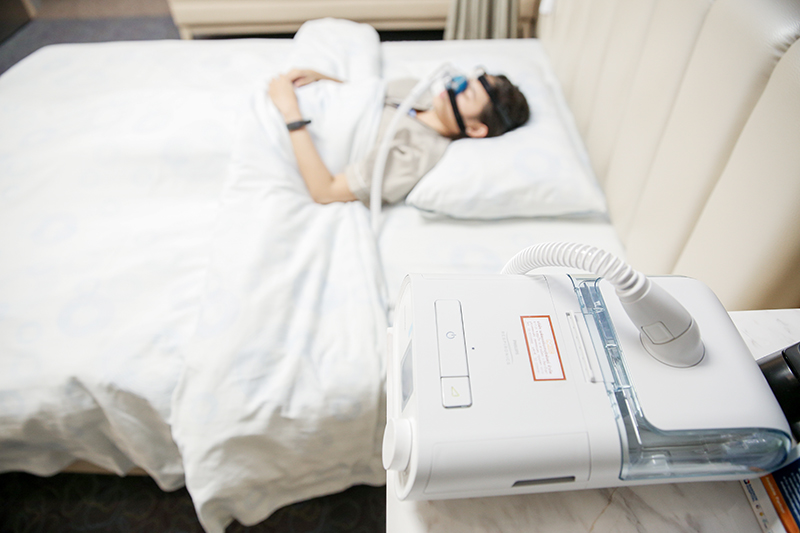
- Positive airway pressure device (CPAP Titration): Delivers air into the airway to keep the throat open during sleep. This is considered the current standard and highly effective treatment.
- Surgery or procedures: Such as surgery on throat tissue, jaw, tongue, or uvula; laser procedures for the nasal cavity or soft palate to help widen the airway
- Oral appliance: Another treatment option that helps adjust oral structures during sleep
What is an oral appliance?
An oral appliance used to treat snoring and obstructive sleep apnea is made of acrylic for use in the mouth. It resembles a retainer for orthodontic patients or an occlusal splint for patients who grind their teeth during sleep. The oral appliance helps prevent throat tissue from collapsing during sleep, thereby helping to prevent airway obstruction. It works based on three mechanisms:
- Positioning the lower jaw forward
- Positioning the tongue forward
- Helping lift the soft palate and uvula upward
Advantages of an oral appliance
- Smaller than a CPAP device
- Reduces surgical risk
- Lower cost
However, oral appliances are effective only for patients with mild to moderate obstructive sleep apnea.
Neuroscience Center, Bangkok Hospital International, ready to care for all sleep problems
If you have snoring or suspect obstructive sleep apnea, you should promptly undergo diagnosis, assess severity, and consider an appropriate treatment approach to reduce the risk of various diseases. The Neuroscience Center at Bangkok Hospital International is equipped to provide diagnostic services using standardized technology, together with a team of sleep medicine specialists ready to provide consultation and design an appropriate treatment plan so that patients can have a better quality of life.
Article summary
Snoring is a common sleep problem. In addition to disturbing a bed partner, snoring can cause many abnormalities in the patient’s body, such as daytime fatigue, reduced thinking, memory, and work performance, increased risk of high blood pressure and cardiovascular disease, as well as erectile dysfunction. If you have snoring or suspect obstructive sleep apnea, you should promptly undergo diagnosis, assess severity, and consider an appropriate treatment approach to reduce the risk of various diseases and improve quality of life.
Frequently Asked Questions (FAQ) about snoring
1. Can thin people snore?
Yes. Although obesity is a major risk factor, thin people may have congenitally narrow airway structures, such as enlarged tonsils, an enlarged tongue, or a lax soft palate, which can cause snoring.
2. Can changing sleep position really reduce snoring?
It can help when snoring is mild. Sleeping on the back causes throat tissues to sag and obstruct the airway due to gravity. Switching to side-sleeping helps open the airway wider.
3. Is a sleep test necessary?
It is essential for those who snore loudly and have obstructive sleep apnea as well, because a Sleep Test (Polysomnography) helps assess sleep quality and determine disease severity so that the doctor can plan accurate and appropriate treatment.