


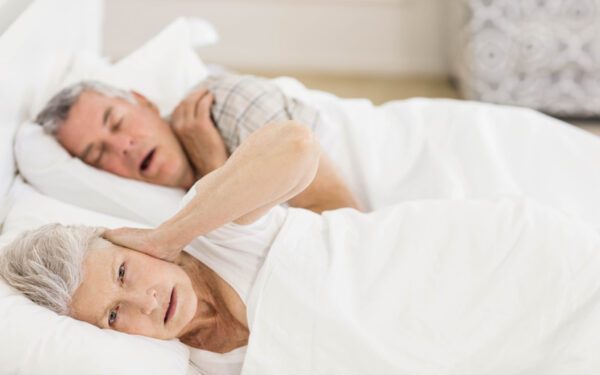

Entering old age, one unavoidable issue is sleep problems. Many elderly people are constantly disturbed by these issues, affecting their daily life efficiency, feeling sleepy and napping during the day, not feeling refreshed, sometimes having constant headaches, some feel a heaviness around the head. This can lead to increased anxiety at bedtime, worrying about not being able to sleep, and some have to rely on sleeping pills, marking the beginning of “sleeping pill dependence”.
The physiological changes that occur when entering old age in terms of the elderly’s sleep include the following changes
- Taking longer than before to fall asleep once the head hits the pillow.
- Sleep efficiency decreases, such as waking up frequently at night, waking up earlier than necessary, feeling sleepy or drowsy during the day more often.
Many researchers have begun to question whether the insomnia of the elderly is caused solely by the increasing age, as there are still many elderly who easily fall into a deep sleep once their heads hit the pillow. The answer is “no one can say for sure”. However, there are many who question this and try to find out the factors that make sleep “not easy” for many people.
Factors making it hard to sleep
- Direct sleep disorders
- Changes in individual circadian rhythm
- Some geriatric and psychiatric diseases
- Medications being taken
- Alzheimer’s disease in the elderly
- Poor sleeping habits
This will mention the factors that many people are unaware of or overlook the most, which is direct sleep disorders, including the following forms
- Sleep-disordered breathing
Sleep-disordered breathing conditions are mostly found in men more than women, usually presenting with 3 main symptoms:
- Heavy snoring
- Feeling drowsy during the day, not feeling refreshed, lacking concentration at work
- Decreased breathing, sometimes cessation of breathing while sleeping, each episode lasting at least 10 seconds or more
If the number of decreased breathing or apnea episodes per hour is greater than 15 times (Apnea-hypopnea index; AHI) or AHI is greater than or equal to 5 times, along with having at least one symptom showing sleep disturbances as mentioned above, it is diagnosed as sleep apnea, which is measured using a specific device called Polysomnography.
Sleep apnea results in decreased oxygen levels in the blood, leading to morning headaches, not feeling refreshed, feeling like not having enough sleep, drowsiness during the day, decreased concentration and memory, slower response, etc. If the condition becomes chronic, complications may follow, such as high blood pressure.
Sleep apnea is divided into 3 main types based on the cause, including
- Central sleep apnea, caused by a disorder in the respiratory control system of the nervous system
- Obstructive sleep apnea, caused by obstruction of the airway The main symptom is often snoring or choking during sleep, indicating airway obstruction. Patients may also exhibit strange behaviors while asleep, such as getting up to walk or eat unusual foods, leg jerking, or acting out dreams. Snoring while sleeping is associated with an increased risk of developing heart and cerebral vascular diseases.
- Mixed sleep apnea, caused by both a disorder in the respiratory control system of the nervous system and airway obstruction The causes of sleep apnea include
– Increased body weight and obesity Fat accumulation can cause airway obstruction. For the elderly, being slim can also lead to this condition.
– Smoking causes irritation to the mouth area and nicotine in cigarettes also adversely affects the central nervous system. Smokers have a threefold increased rate of sleep apnea compared to non-smokers.
– Alcohol consumption and sleeping pills may cause relaxation and loosening of muscles in the airway area, promoting more obstruction.
– Anatomical features of the chin and face such as a small or receding chin can easily lead to airway obstruction.
– Aging often occurs more frequently in the 60-70 age group. As age increases, the chances of sleep apnea increase due to physiological changes, such as increased body fat with age, overall muscle weakness, changes in the anatomical features of the airway, which promote more obstruction, decrease in thyroid hormone, and overall lung volume decrease.
– Abnormal adenoids or tonsils, including abnormal conditions of the nasal mucosa and septum.
– Menopause The onset of menopause brings changes in estrogen and progesterone levels. Normally, these hormones work in harmony to make sleep efficient, but after menopause, the balance between them is lost, leading to disturbed sleep.
– Other geriatric diseases such as heart failure, pulmonary edema, chronic kidney failure, hypothyroidism, emphysema, asthma, lung fibrosis, acromegaly, stroke.
– Pregnancy
Treatment of sleep apnea
- Using positive airway pressure devices is currently considered an effective treatment.

2. Surgery to correct airway and facial bone abnormalities (currently less than 50% effective) Recommended for minor cases or specifically for snoring.


3. Using oral appliance therapy to prevent airway obstruction (currently less than 50% effective) Recommended for minor cases or specifically for snoring, or for cases of apnea when sleeping on the back.

4. Changing daily life habits, such as quitting smoking and alcohol, losing weight, avoiding sedative medications, changing sleep positions, such as avoiding sleeping on the back by possibly sewing a small pocket on the back of the pajama top and placing a tennis ball in it to prevent sleeping on the back, etc.