


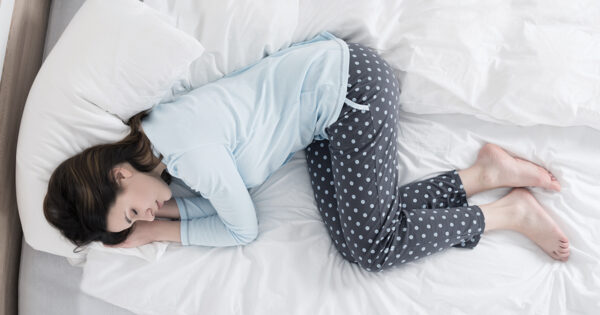

Most people understand that sleeping is just for resting after a day of hard work. For this reason, many people sleep during the day after they’re exhausted from working in the morning, not knowing that this behavior may impact their nighttime sleep. Some people mistakenly believe that the more sleep, the better, when in fact too much sleep can actually be harmful.
Nowadays, sleep disorders such as snoring, insomnia, or abnormal movements during sleep are increasingly common and widely recognized. These disorders should be accurately diagnosed by specialists to find any underlying diseases. For example, Obstructive Sleep Apnea (OSA) which can increase the risk for various diseases such as high blood pressure, diabetes, stroke, or heart disease, etc.
Factors affecting sleep
- Duration of sleep (duration) Usually, the appropriate sleep duration varies by age and individual differences, with children generally needing more sleep than adults.
- Quality of sleep (quality) If one does not sleep deeply enough, they usually wake up not feeling refreshed (unrested sleep), and memory functions may not work efficiently, making it difficult to remember things learned.
- Sleep – wake time People who frequently change their sleep times, such as sleeping late and waking up late on weekends, often have sleep problems at the beginning of the week, especially on Mondays. This is because they have to adjust to waking up early, which may result in feeling sleepy during work hours in the day, and if they end up sleeping in the evening due to excessive drowsiness, it may result in poor sleep that night.
Sleep disorder symptoms
These include:
- Snoring Even though some people may only snore without other symptoms (primary snoring), snoring is a common symptom in patients with obstructive sleep apnea, which has long-term health implications, including cardiovascular problems and metabolic syndrome among others.
- Sleep Apnea A symptom found in patients with obstructive sleep apnea, and may be hard to notice without other symptoms, such as waking up choking or gasping for air, especially if the patient sleeps alone.
- Nocturnal Urination Although this symptom is commonly found in diabetic patients, it can also occur in those with obstructive sleep apnea, believed to be a response to increased heart pumping after the patient stops breathing (bradycardia-tachycardia), leading to increased blood to the kidneys and thus more urine in the bladder during sleep, while also causing the patient to not sleep deeply enough to be aware of the need to urinate.
- Morning Headache Patients experiencing hypoventilation during sleep can’t eliminate carbon dioxide from the body sufficiently, leading to dilated blood vessels in the brain from respiratory acidosis, thus causing a headache, which is especially noticeable in the mornings.
- Restless Legs Found in patients with Restless leg syndrome, they feel an abnormal sensation in their legs, prompting them to move them to alleviate the discomfort. This symptom is commonly seen in the evenings and can occur in patients with iron deficiency, pregnancy, chronic renal failure, and other conditions.
- Periodic Limb Movement During Sleep A non-specific symptom that can also be found in patients with Restless leg syndrome, Narcolepsy, Obstructive sleep apnea, and other diseases.
- Excessive Daytime Sleepiness A crucial symptom requiring immediate investigation and treatment as it can lead to accidents from driving or working. This symptom generally occurs in any disease causing insufficient or disrupted sleep (sleep fragmentation), such as insomnia, obstructive sleep apnea, narcolepsy, etc.
- Cognitive Dysfunctions Patients who don’t get enough sleep or have sleep problems may impact brain functions, including memory, both short-term and long-term if not timely treated.
- Miscellaneous (Others)
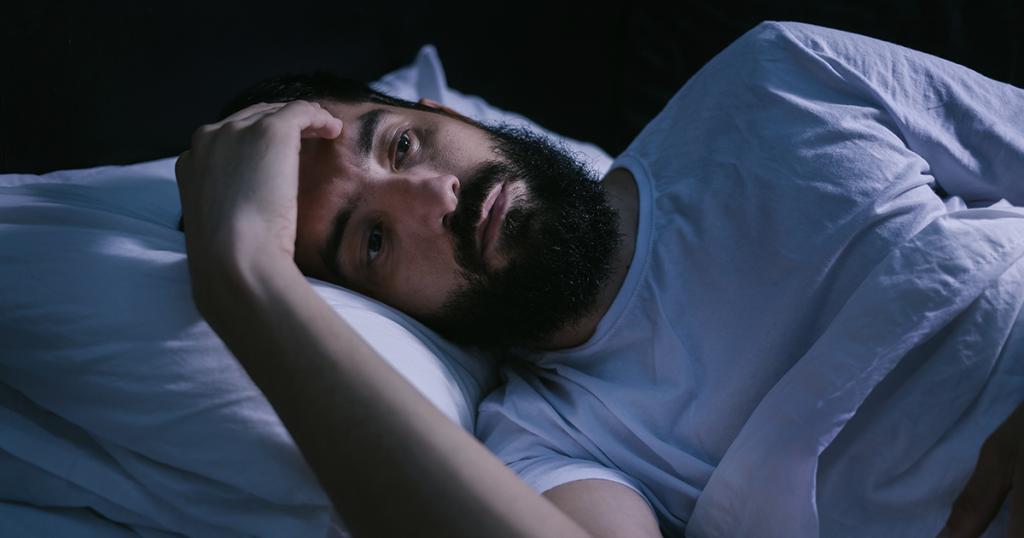
Treating sleep disorders
Treatment depends on the type of sleep disorder, with the most important being diagnosis of the cause and treating the root cause. However, some disorders require symptom management alongside cause treatment, such as chronic insomnia.
Treatment principles are similar to other diseases and can be divided into:
- Non-pharmacologic therapy
- Pharmacologic therapy
This can also be divided into:
- Specific treatment
- Supportive treatment alongside
While undergoing treatment, treatment compliance and regular follow-up are equally important. For example, treating obstructive sleep apnea patients with positive airway pressure therapy, such as CPAP.
A major problem is that some patients do not adhere to the treatment continuously (non-adherence) for various reasons, such as feeling uncomfortable while wearing the CPAP mask, thus discontinuing its use without knowing the issues can be addressed, such as changing the type of mask or wearing the mask for a while before sleep without turning on the CPAP machine can help patients get accustomed to the condition while the CPAP machine is operating.