


Translated by AI
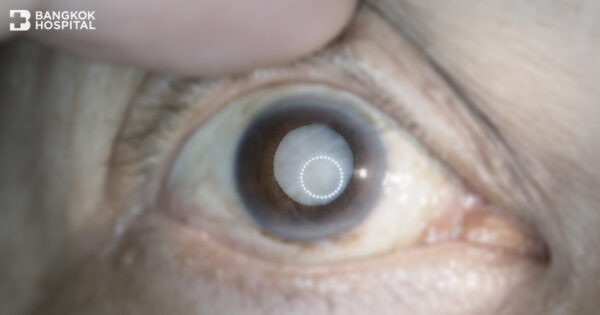
Check for cataracts before realizing it's too late
Glaucoma is one of the serious eye problems that can lead to blindness and what many people may not know is that glaucoma does not have any warning signs, its cause is unknown, and even after treatment, vision cannot be fully restored to its original state. Therefore, during the World Glaucoma Week held in March every year, everyone is encouraged to be aware and understand glaucoma. Importantly, it is advisable to regularly check for glaucoma with a specialized ophthalmologist to be able to manage it promptly.

Common Eye Conditions During Songkran Holiday
The Songkran holiday season is a very busy time, and when accidents happen, we often take a wait and see approach. Now this strategy may work for some medical issues, but eye problems need to be evaluated right away. Delaying treatment for injuries, infections and sudden vision changes can result in vision loss.

Lazy Eye Can Lead To Blindness If Untreated
Although you have probably heard of the term “lazy eye or amblyopia” before, a lot of parents do not know much about this condition. It is estimated that 3 to 5% of the general population suffers from this form of visual impairment.
Translated by AI
Glaucoma, delayed treatment...blindness warning signal
Glaucoma is an eye disease caused by the blockage of the fluid flow within the eye, leading to abnormally high intraocular pressure, which damages the optic nerve and results in permanent loss of vision. The loss of sight begins at the outer edges and, if untreated, gradually reduces the field of vision until blindness occurs.

Elevated eye pressure potentially increases the risk of developing early-onset glaucoma
Glaucoma is one of the common eye diseases. It is the result of damage to the optic nerve, a vital part for good vision. As this nerve gradually deteriorates, blind spots can further develop in the visual field.

SUPER VISION : Better vision than ever
Visual acuity is different from person to person. There are many ways to help people with eyesight problems – such as nearsightedness, farsightedness, or astigmatism – to regain their clear vision.

10 facts about novel coronavirus
Coronaviruses are defined as a large family of viruses that cause illness ranging from the common cold to more severe diseases. Common signs of coronavirus infection include respiratory symptoms, fever, cough, shortness of breath and breathing difficulties.

Being a professional golfer while preventing injuries
Although golf might look like an easy game to play, just to hit a stationary object with a club into a relatively wide open space, in fact, golf requires tremendous practice and efforts as well as perseverance and excellent skills.

Rectal bleeding: The warning sign of hemorrhoids and colorectal cancer
Rectal bleeding is not only the common sign of hemorrhoids, but colorectal cancer. Due to the similarity of clinical manifestations, colorectal cancer is often mistaken for hemorrhoids, leading to delayed diagnosis and ineffective treatments.

How to treat colorectal polyps/ cancer without permanent colostomy.
Colorectal polyps are small clumps of cells that form on the lining of the colon and rectum. Colorectal cancer is the development of cancer cells from the colon or rectum. Sometimes polyps or cancerous tumors develop relatively close to the anal canal, a short tube at the end of the rectum through which stool leaves body, resulting in complicated treatment which essentially requires highly experienced multidisciplinary team to achieve the best possible treatment outcomes.

Hemorrhoids and colorectal polyps. Early detection increases chances of being successfully cured.
Hemorrhoids are the most common cause of rectal bleeding, but colorectal cancer can also cause rectal bleeding. Due to the similarity of manifestations, patients are often confused, leading to delayed diagnosis and ineffective treatments.

Radio frequency skin tightening: getting your face lifted even quicker.
Due to the advancements in skin care and esthetic technology, radiofrequency skin tightening is an aesthetic technique that uses radio frequency, shortly called RF energy to heat skin in order to stimulate cutaneous collagen, elastin and hyaluronic acid production for reducing the appearance of fine lines wrinkles and loose skin.