


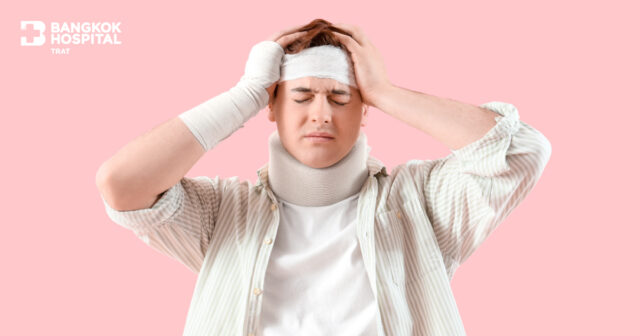
Be aware of warning signs, self-care tips, and when to seek immediate medical attention.
Definition and Overview
A head injury refers to trauma caused by an external force impacting the head and body, leading to injuries of the scalp, skull, brain, and cranial nerves. Symptoms can range from mild to severe, potentially resulting in disability or even death. The most common causes are road traffic accidents or general accidents such as falls from height or slips and falls.
Head injuries may cause different types of wounds, ranging from scalp bruises or lacerations. These are usually external injuries without skull fractures. After a blow to the head, patients may experience concussion, headache, dizziness, confusion, or nausea and vomiting. Memory of the event may vary depending on severity.
Warning Symptoms Requiring Immediate Medical Attention
- Severe drowsiness, unresponsiveness, or unconsciousness
- Restlessness, confusion, incoherent speech
- Seizures or weakness in arms/legs
- Severe headache
- Blood or clear fluid coming from the nose, ears, or down the throat
- Any unusual symptoms not present before
Care for Head Injury Patients
- Eat soft, easily digestible food
- Avoid alcohol, as it can affect consciousness
- Avoid exercise and refrain from driving for at least 24 hours
- Ensure adequate rest, 8–10 hours per day. The best rest is proper sleep.
- Take prescribed pain medication as directed. If unusual symptoms occur after taking medication, or in case of suspected allergy, stop medication and see a doctor immediately.
- For open wounds, clean at least once daily. Avoid getting the wound wet. If swelling or redness occurs, seek medical care immediately.
- For bruises, apply an ice pack wrapped in a cloth during the first 24 hours, then use warm compresses to help disperse blood clots.