

FibroScan: A Non-Invasive Technology for Assessing Liver Fibrosis and Steatosis
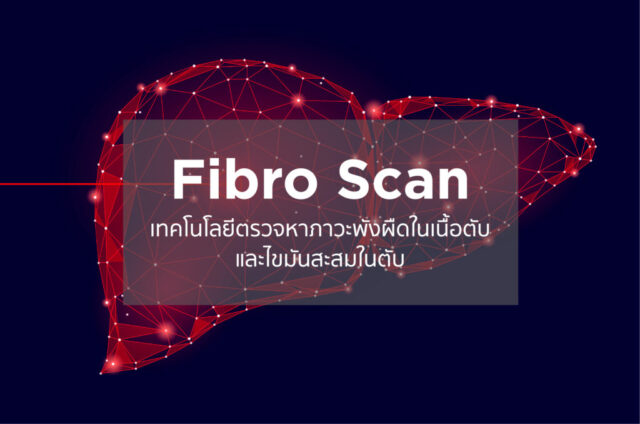
FibroScan is an advanced, non-invasive technology used to assess liver fibrosis and quantify hepatic fat accumulation in a single, rapid, and highly accurate examination. It is particularly beneficial for individuals at risk of fatty liver disease. The test provides essential information for diagnosis and treatment planning without causing pain or complications, both during and after the procedure.
FibroScan is used to:
-
-
Evaluate liver fibrosis in patients with chronic liver disease.
-
Assess hepatic steatosis in individuals with fatty liver disease.
-
Serve as an alternative to liver biopsy in patients with contraindications or those who decline biopsy.
-
Detect early-stage liver cirrhosis.
-
Monitor disease progression and assess the severity of cirrhosis to guide treatment strategies.
-
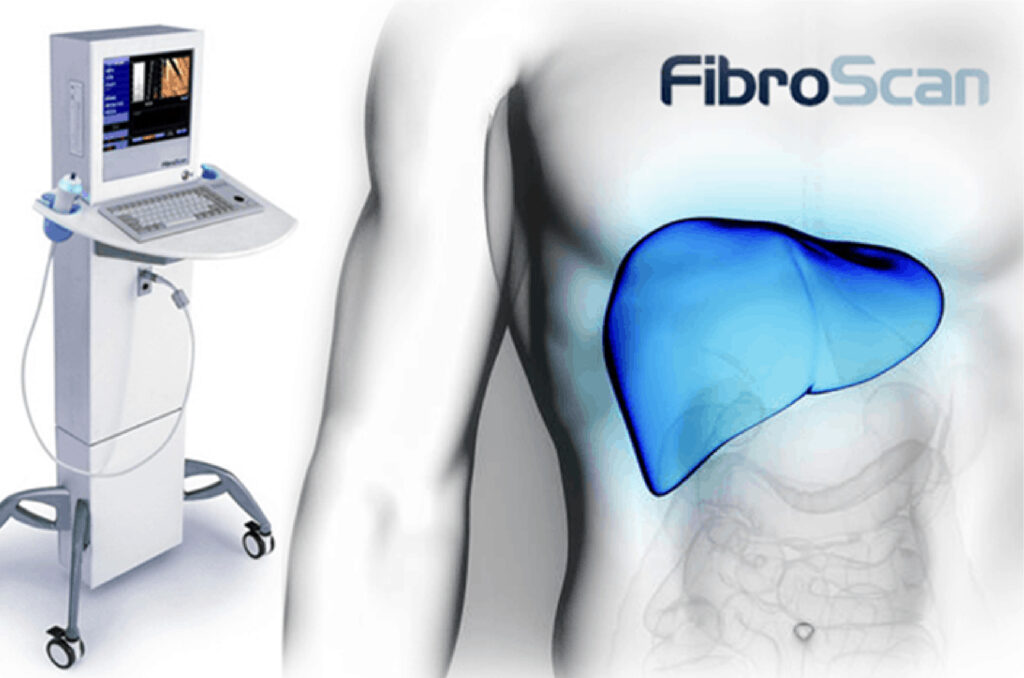
How FibroScan Works
1. Fibrosis Assessment — VCTE™ (Vibration-Controlled Transient Elastography)
Fibrosis measurement is performed using low-frequency vibrations transmitted into the liver. Ultrasound waves then measure the velocity of the returning shear waves. The stiffer the liver tissue, the faster the waves travel. The results are expressed as liver stiffness measurements (LSM) in kilopascals (kPa).
2. Steatosis Assessment — CAP (Controlled Attenuation Parameter)
Steatosis is evaluated using ultrasound-based attenuation analysis. Low-frequency ultrasonic waves pass through the liver, and the amount of attenuation indicates the degree of fat accumulation. Higher fat content results in greater attenuation. The values are expressed in decibels per meter (dB/m).

Who Should Undergo FibroScan?
-
This test is recommended for individuals who have:
-
Abnormal liver function tests or chronic hepatitis
-
A history of prolonged alcohol consumption
-
Chronic hepatitis B or C infection
-
Diabetes mellitus
-
Obesity
-
Hepatic steatosis
-
Hyperlipidemia
-
Long-term use of medications or herbal supplements
-
A family history of liver cancer
-
Metabolic syndrome or related conditions
-
Advantages of FibroScan
-
Minimal preparation required
-
Simultaneous assessment of fibrosis and steatosis in a single session
-
Quick procedure (approximately 8–10 minutes)
-
High accuracy and reproducibility
-
Immediate results after the test
-
No incisions and completely painless
-
No post-procedure complications
-
Safe for repeated monitoring
-
No hospitalization required; patients can return home right away
Limitations of FibroScan
-
FibroScan cannot:
-
Detect liver tumors; additional imaging is required
-
Be performed in patients with ascites
-
Assess abnormalities in organs other than the liver
-
Be used during pregnancy
-
Be used in patients with implanted medical devices such as pacemakers
-
Be used in patients who have undergone organ transplantation
-
Be used in individuals with advanced metastatic cancer
-
Procedure: What to Expect
-
Fast for 3 hours before the test.
-
Lie on your back with both arms raised above your head.
-
Ultrasound gel is applied to the right side of the abdomen.
-
The probe is placed over the right costal margin to deliver low-frequency vibrations. Patients feel only a mild tapping sensation.
-
The software analyzes the returning waves and generates the measurement values for clinical interpretation.
-
Ten measurements are performed at the same site; the procedure takes about 5–10 minutes.
-
Results are available immediately, and patients may resume normal activities without restrictions.
-
Based on the findings, your physician can proceed with individualized treatment planning.
Interpreting the Results
-
Liver stiffness (fibrosis):
Values range from 2 to 75 kPa. Higher values indicate increased liver stiffness. -
Steatosis level (fat accumulation):
CAP values range from 100 to 400 dB/m, reflecting the degree of hepatic fat infiltration.
These results are integrated with clinical findings to guide diagnosis and management in patients with liver disease.