



Heart failure or heart attack can happen unexpectedly to oneself and close people. Importantly, it can occur in all genders and ages. Therefore, understanding the disease to handle it properly and timely is crucial.
Heart failure can occur
Heart failure (HEART FAILURE) is a condition where the heart malfunctions, resulting in the heart’s inability to pump blood to nourish the body and receive blood back into the heart as normal. This causes symptoms like easy fatigue, weakness, and potentially swelling due to fluid retention in the body, which can be life-threatening depending on each individual’s health.
Children and heart failure
Children can encounter heart failure even as a fetus due to improper functioning of the heart and circulatory system. It can be severe, leading to disability or death if not promptly diagnosed and treated correctly. Children with heart failure often grow slowly, are malnourished, sweat a lot, have cold, clammy skin, rapid heartbeat, rapid breathing, enlarged heart, and enlarged liver. These are usually due to muscle weakness and congenital heart disease. Therefore, it is necessary to consult a heart specialist as soon as possible. Doctors typically conduct EKG, chest X-rays, heart ultrasound, and consider symptoms and disease severity.
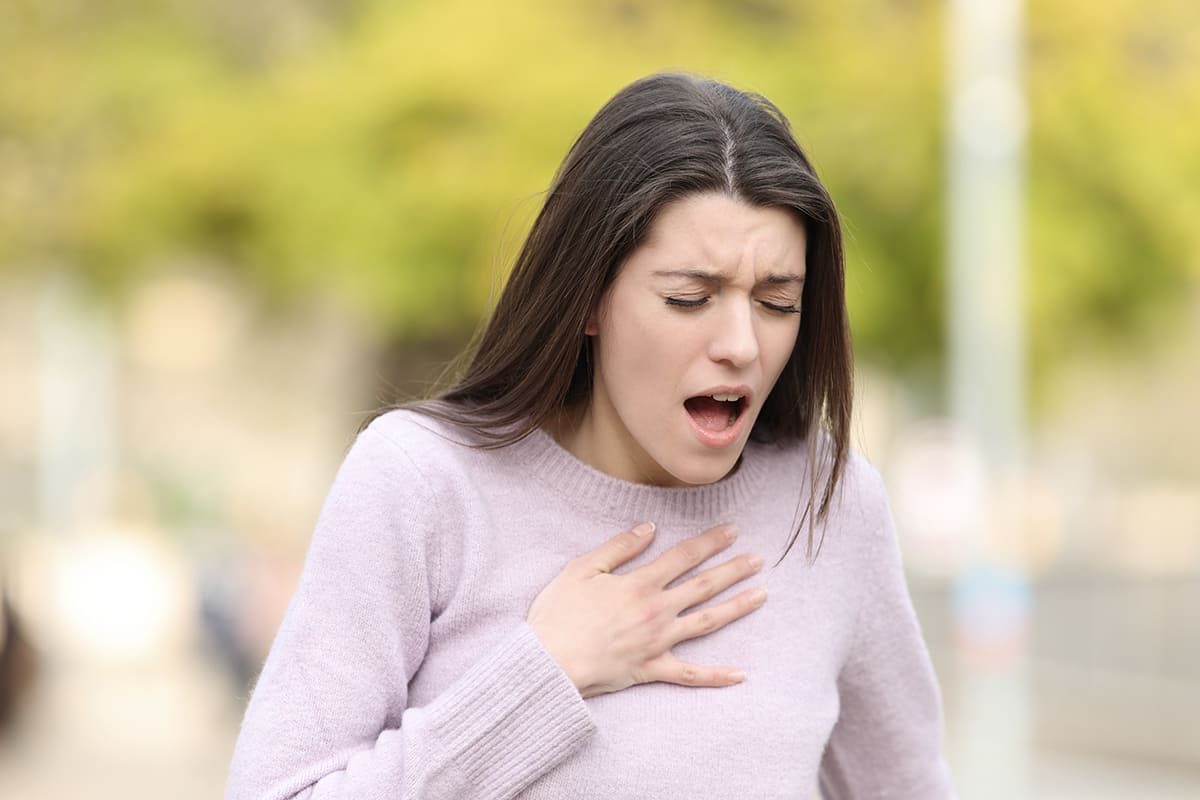
Teenagers and heart failure
Teenagers can encounter heart failure, largely due to congenital heart disease, abnormal thickening of the heart muscle, myocardial infarction, myocarditis, valvular heart infection, or undiagnosed heart abnormalities. If they are aware of existing heart conditions, they might take care of their heart health. However, since teenagers do not regularly check their heart health, they need to be aware of their condition and consult a cardiologist promptly. Common symptoms include easy fatigue, abnormal exhaustion when climbing stairs, chest pain on the left side, difficulty breathing, cyanosis around the lips, palpitations, dizziness, syncope, and should immediately go to the hospital as it can be fatal if left untreated.
Adults and heart failure
Adults face risks of acute heart failure which can be fatal. There are also risks from conditions like high blood pressure, high blood cholesterol, obesity, coronary artery disease, myocarditis, valvular stenosis or regurgitation, and arrhythmia. Regular heart health check-ups are important as they help in understanding abnormalities and managing one’s health correctly. Heart failure symptoms include easy fatigue, difficulty in breathing when lying flat, nighttime awakenings due to breathlessness, swollen feet or legs, indigestion, fluid retention in different parts, chronic fatigue, palpitations, dizziness, and syncope. Moreover, those with previous heart attacks are at a higher risk of heart failure than the general population.
Elderly and heart failure
Elderly people have a higher chance of heart failure than other age groups. This is especially true for those suffering from heart disease, making them more susceptible. Elderly individuals with risk factors like high blood pressure, high blood cholesterol, diabetes, smoking, abnormal heart muscle, valvular abnormalities, arrhythmia, coronary artery blockage, and myocarditis are at risk. Symptoms include chronic fatigue, easy fatigue, chest tightness, inability to lie flat, difficulty breathing, swelling in the feet or legs with pitting edema, bloating, indigestion, palpitations, rapid heartbeat, and neurologic symptoms like dizziness, confusion, syncope due to inadequate blood circulation. If any abnormalities occur, even minor ones, immediate consultation with a heart specialist is essential. Regular annual heart health check-ups are crucial.

Treating heart failure
The treatment for heart failure depends on the symptoms and severity of the disease. The first step is to consult a heart specialist as soon as possible, especially if experiencing chest pain, breathlessness, or easy fatigue. If breathing difficulties occur, the doctor might provide respiratory support. If pulmonary edema is present, diuretics are administered, along with medication to reduce disease severity. Urgent procedures such as cardiac balloon angioplasty may be necessary. Automated defibrillators that aid in heart contractions, heart transplants, and valvular surgery might also be needed as per the cardiologist’s assessment. Patients must attend all scheduled doctor appointments.
Take care of your heart and those close to you to prevent heart failure
- Always observe abnormalities
- Learn and understand about heart failure
- Check the heart health of yourself and close ones as per doctor’s advice
- If there are pre-existing conditions, take prescribed medications and always carry medication, closely monitoring the situation
- Choose healthy food, exercise regularly, and get sufficient rest
- Avoid smoking and alcohol consumption
- Take care of mental health to keep depression at bay
- Heart disease patients should not travel alone and should always have someone close accompanying them
Comprehensive heart health check-up is important
Heart disease often does not exhibit clear symptoms but poses a risk of sudden death as heart disease can occur at any time. Thus, regularly undergoing a comprehensive heart health check-up annually is critically important, not just for your own heart health but also for the heart health of your family and close ones. Especially for those at risk of heart disease and elderly, being under the supervision of a heart specialist is crucial. Detecting the disease early allows for rapid response, assessing future severity, ensuring proper heart care, and maintaining long-term heart health.
Credit: https://www.bangkokhearthospital.com/content/heart-failure-and-someone-close-to-you
For more information or to make an appointment, please contact:
Cardiology and Neurology Department, Bangkok Sanamchan Hospital
Phone: 034-219600 Ext. 2181 – 2183
Line: Bangkoksanamchan
FB: Bangkok Hospital Sanamchan